

Professional-Grade Wires and Plugs
for Custom Lighting Solutions
Welcome to our comprehensive collection of high-quality wires and plugs, designed to empower both professional installers and passionate DIY enthusiasts. These essential components form the foundation of any exceptional lighting display, offering the versatility and durability needed to bring your creative visions to life. From bulk spools of SPT-1 and SPT-2 wire to weather-resistant Gilbert plugs and convenient end caps, our range caters to all your custom lighting needs. Whether you're crafting intricate holiday displays, enhancing landscape lighting, or tackling large-scale commercial projects, our professional-grade wires and plugs ensure reliable performance and seamless integration. Explore our selection and discover the perfect electrical components to elevate your lighting installations, combining safety, efficiency, and aesthetic appeal in every project.
SPT 1 Wire & Plugs
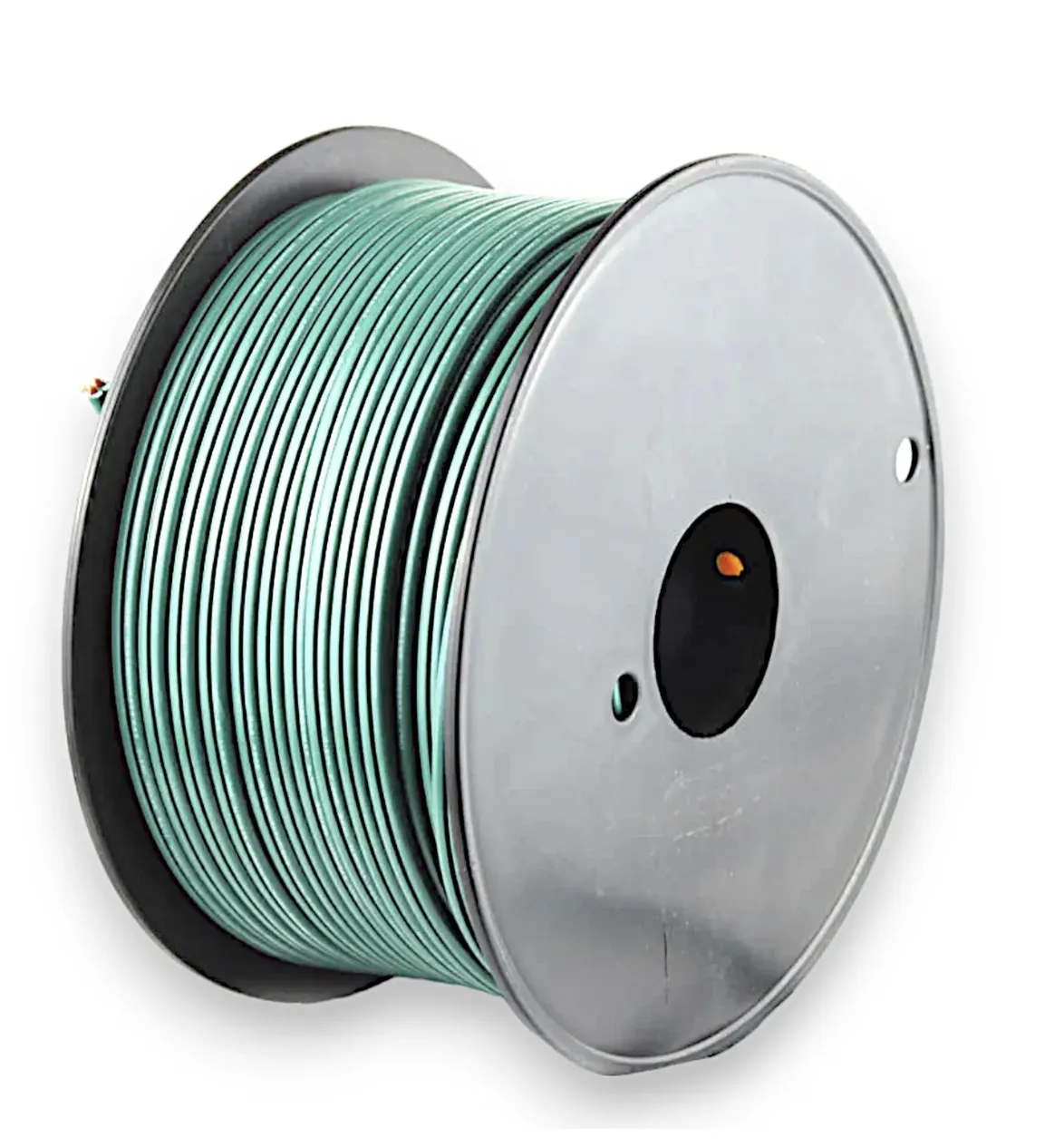
250' Zip Cord (SPT-1)
Enhance your lighting installations with our versatile 250' Spool of Lamp Cord SPT-1 Extension Wire (Zip Cord), perfect for both professional and DIY decorators. This 18-gauge, 2-conductor wire, rated for 8 amps or 960 watts, allows you to easily create custom extension cords, add jumper wires, or extend C9 and C7 stringers for rooflines and holiday displays. Its durable design suits both indoor and outdoor applications, offering reliable performance for small to large-scale projects. Available in Green, White, Brown, and Black, this easy-to-work-with zip cord provides the flexibility and durability needed for creating custom lighting solutions in any setting.
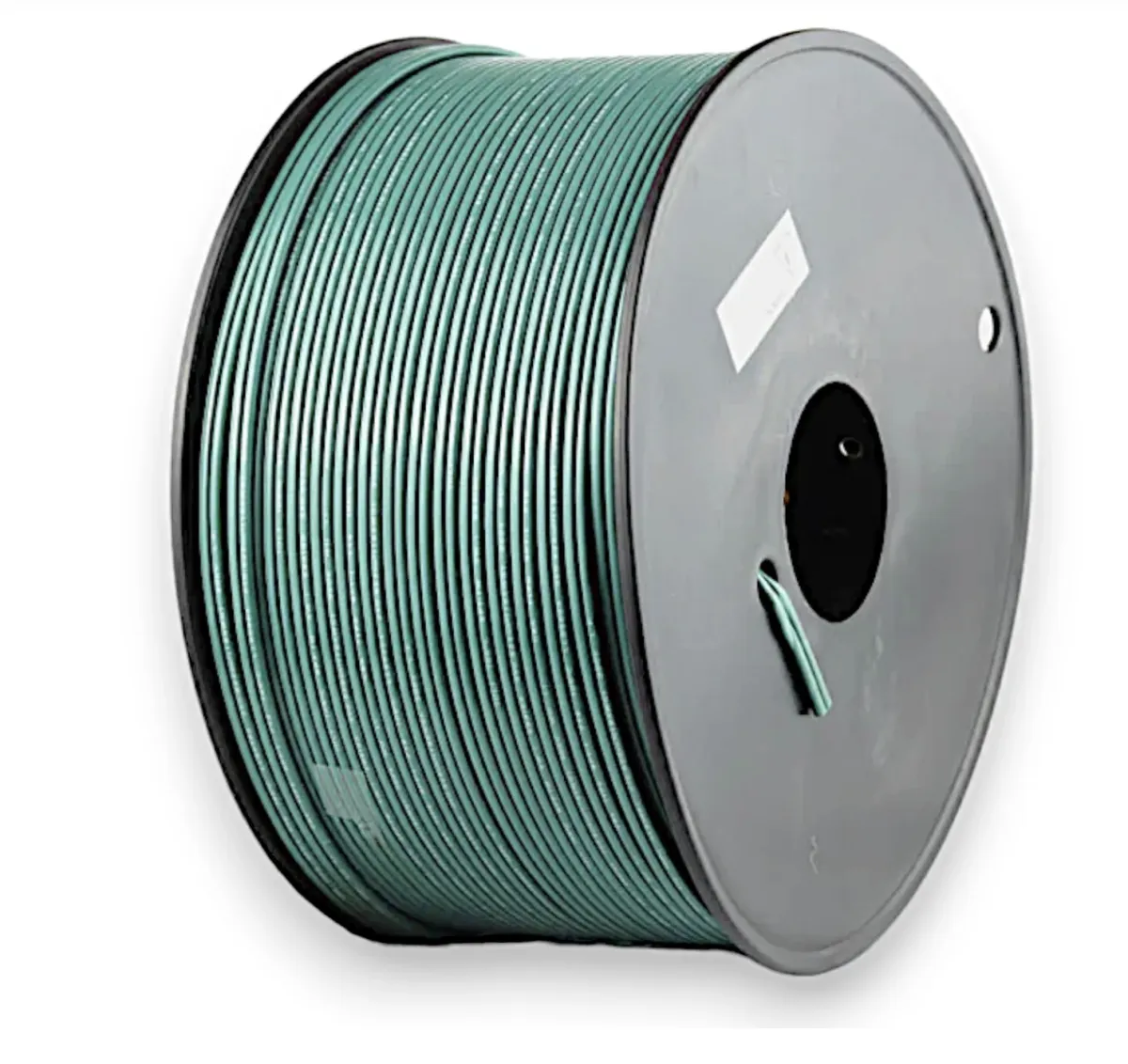
500' Green Zip Cord (SPT-1)
Our 500' Spool of Green Lamp Cord SPT-1 Extension Wire (Zip Cord) offers versatile solutions for custom lighting setups. This 18-gauge, 2-conductor wire, rated at 8 Amps or 960 Watts, is perfect for creating personalized extension cords, adding jumper wires to rooflines, or extending C9 and C7 stringers. Compatible with our SPT-1 male and female plugs (sold separately), this durable wire is suitable for both indoor and outdoor use. Whether you're a professional installer or a DIY enthusiast, this 500' spool provides ample length for various lighting projects, ensuring flexibility and efficiency in your custom lighting designs.
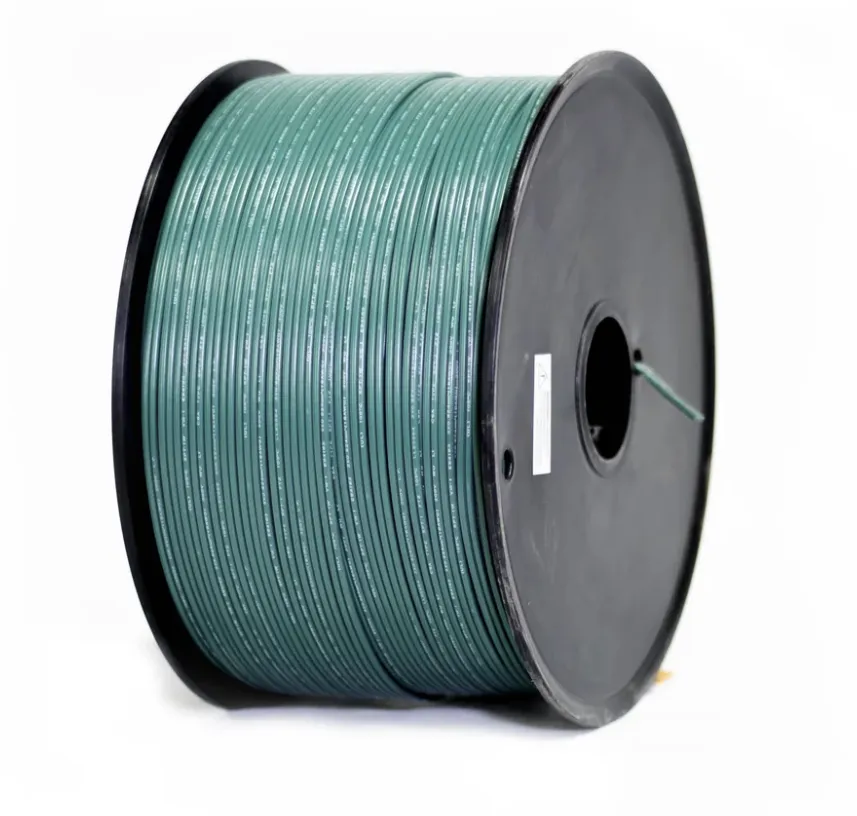
1000' Green Zip Cord (SPT-1)
Our 1000' Spool of Green Lamp Cord SPT-1 Extension Wire (Zip Cord) is a high-quality, 18-gauge, 2-conductor wire is perfect for creating custom extension cords, adding jumper wires to rooflines, or extending C9 and C7 stringers. Rated for 8 amps or 960 watts, it offers reliable performance for both residential and commercial projects. The green color blends seamlessly with outdoor foliage and durable design suits both indoor and outdoor use. Ideal for professional installers and DIY enthusiasts alike, this generous 1000' spool provides ample wire for customization, ensuring you have the right length for any project.
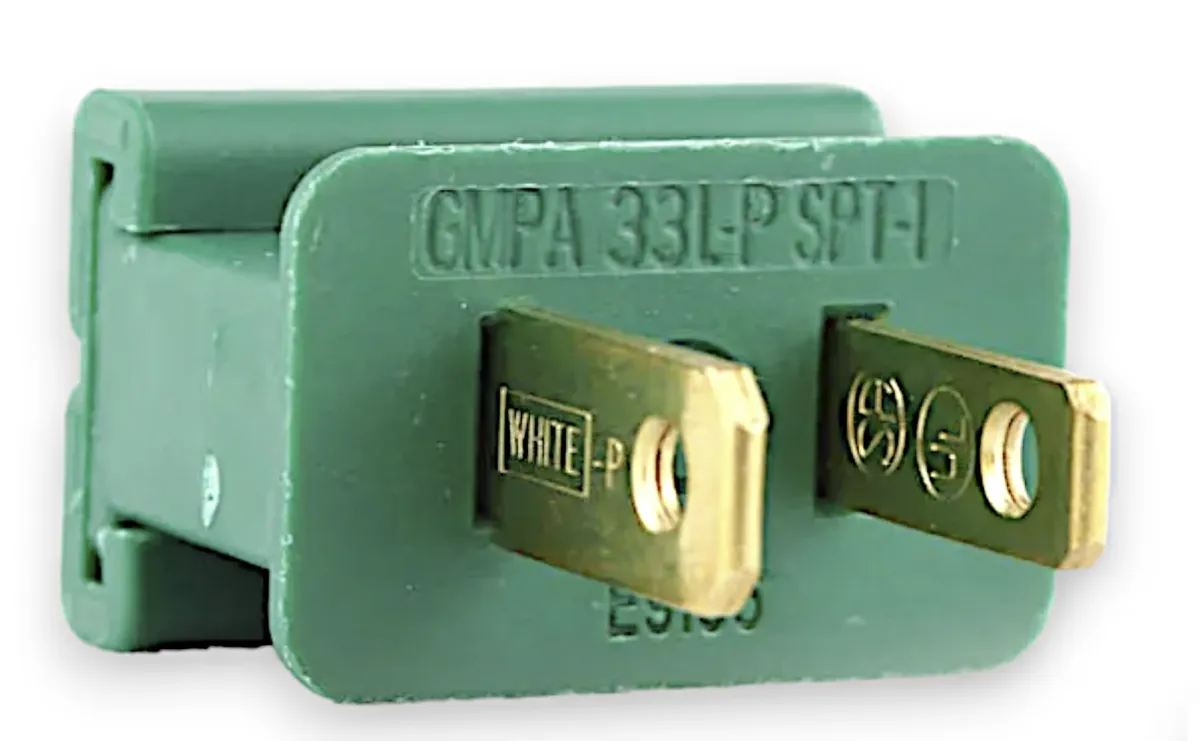
Male Gilbert Plugs SPT-1
Enhance your custom Christmas lighting projects with our SPT-1 Gilbert Male Zip Plugs, available in green, white, brown, and black. These high-quality, weather-resistant plugs are specifically designed for use with SPT-1 zip cord, making them ideal for creating custom light strings and extension cords. Featuring a 2-prong polarized design for safety and stability, these plugs are constructed from heavy-duty plastic to withstand harsh winter conditions. Unlike standard options, our male zip plugs resist bending or breaking in cold weather, ensuring straight and reliable prongs throughout the season. Perfect for both professional installers and DIY enthusiasts, these durable plugs are essential for creating long-lasting, custom Christmas light displays that perform flawlessly in any environment.
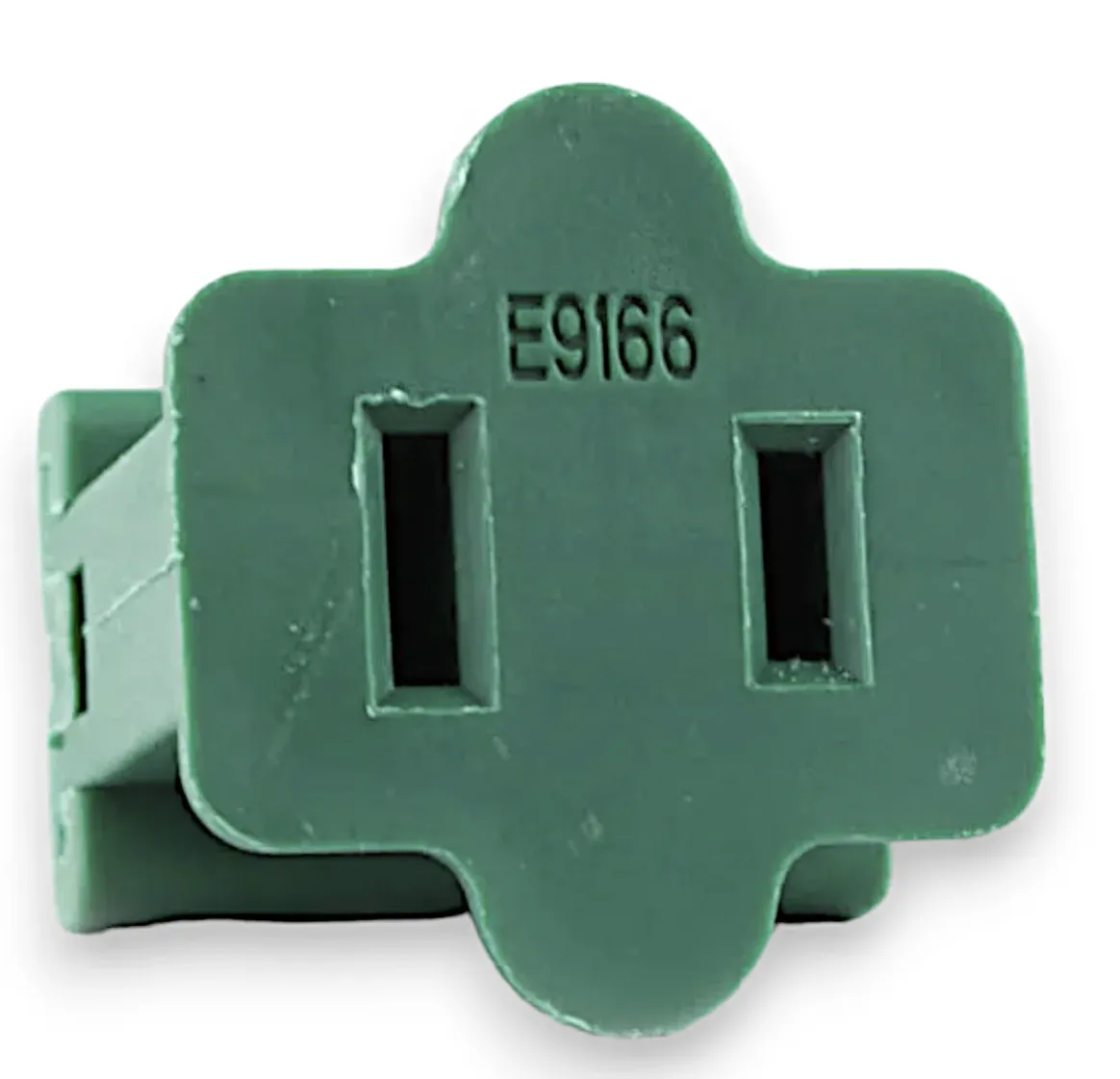
Female Gilbert Plugs SPT-1
(with Knockout Tab)
Elevate your custom Christmas lighting projects with our Female Gilbert SPT-1 Zip Plugs featuring a knockout tab, available in green, white, brown, and black. Specifically designed for SPT-1 zip cord, these durable plugs are ideal for creating reliable custom light strings and extension cords. The 2-prong polarized design ensures secure connections, while the heavy-duty plastic construction withstands harsh outdoor conditions. Unlike standard options, these plugs resist bending in cold weather, making them perfect for winter installations. Whether you're connecting light strands end-to-end or crafting custom extensions, these resilient female zip plugs offer superior performance for both professional and DIY Christmas lighting setups.
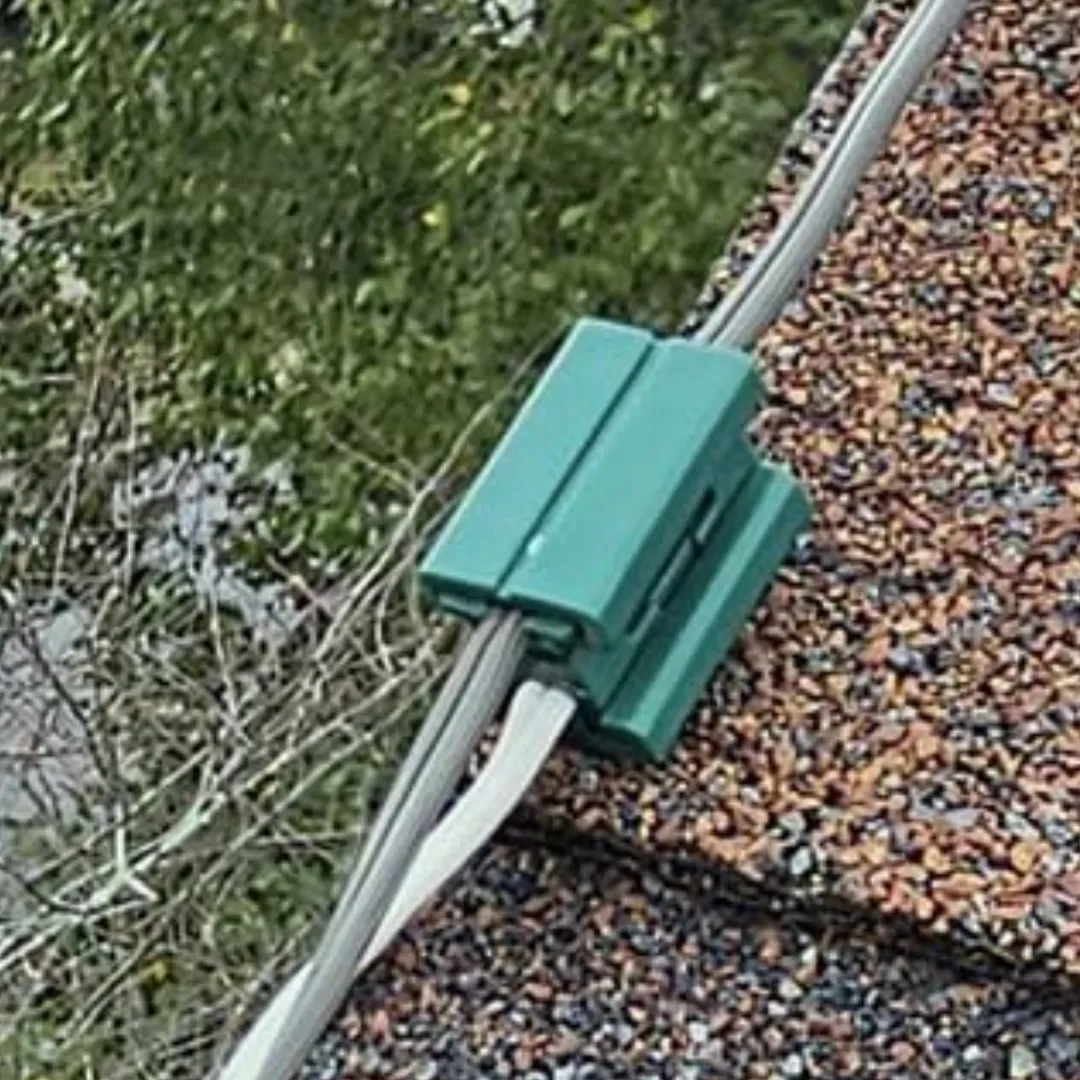
Gilbert ONE Plugs SPT-1
(with Knockout Tab)
Simplify your Christmas light installation with The One Plug, which connects two wires directly—no separate male and female plugs needed. This innovative design saves time, making your setup faster and more efficient. Built with durable plastic and sturdy prongs, it's designed to last throughout the season, ensuring reliability for any lighting project. Perfect for anyone looking to streamline their holiday light displays with ease and dependability.
SPT 2 Wires & Plugs
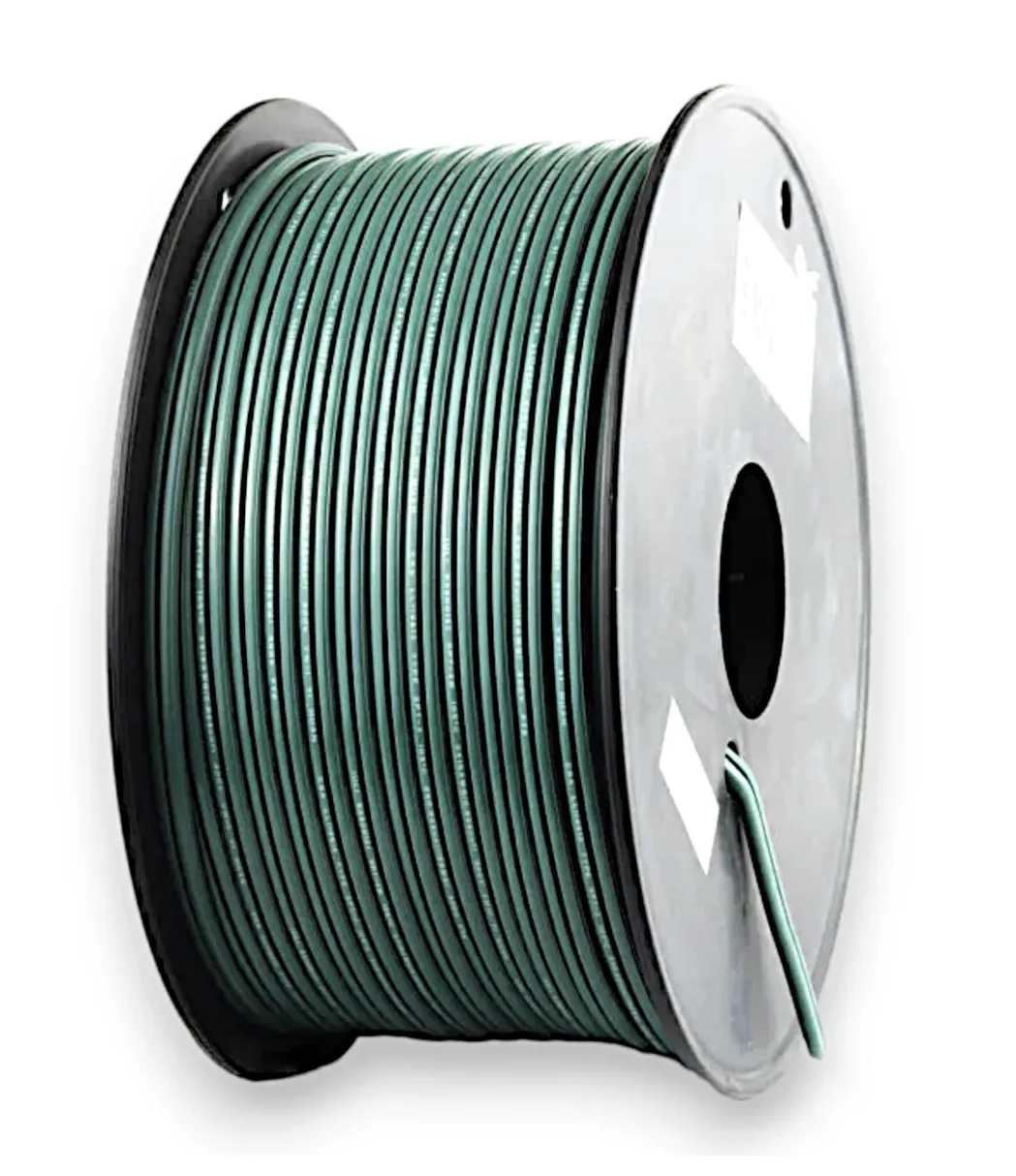
250' Zip Cord (SPT-2)
This versatile 18-gauge, 2-conductor wire is engineered for both professional installers and DIY enthusiasts, offering the durability and flexibility needed for creating custom extension cords, adding jumper wires to rooflines, or extending C9 and C7 stringers. Rated for 8 amps or 960 watts, this robust SPT-2 wire ensures powerful and safe connections for all your lighting needs. Its weather-resistant properties make it suitable for both indoor and outdoor use, allowing you to bring your creative holiday lighting visions to life in any setting. Whether you're working on a small residential project or a large-scale commercial installation, our SPT-2 Extension Wire provides the reliability and performance required to create stunning, long-lasting Christmas light displays. Available in green, white, brown & black.
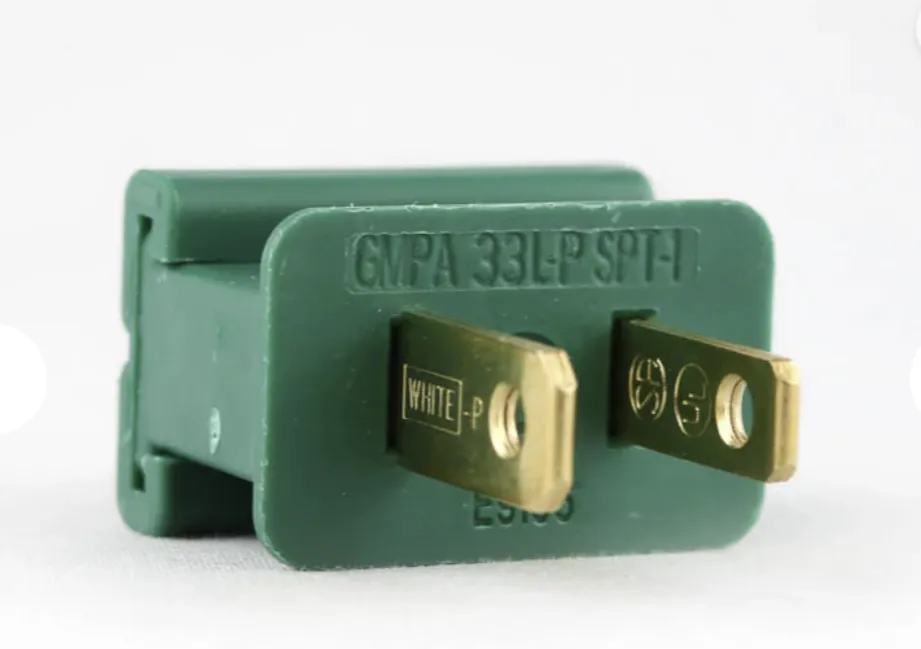
Male Plugs (SPT-2)
Elevate your custom lighting projects with our superior Male zip plugs, engineered for exceptional performance in even the harshest conditions. Unlike standard options, these plugs boast prongs that resist bending in cold weather, ensuring reliable connections throughout the winter season. Perfectly suited for creating custom Christmas light strings or tailored extension cords, these plugs attach effortlessly to the end of zip cord electrical wire. The green SPT-2 male zip plugs are specifically designed to complement green SPT-2 zip cord, offering a seamless and professional appearance. Featuring a 2-prong polarized design for safety and stability, these plugs are constructed from heavy-duty plastic to withstand the rigors of both indoor and outdoor use. Available in green and black.
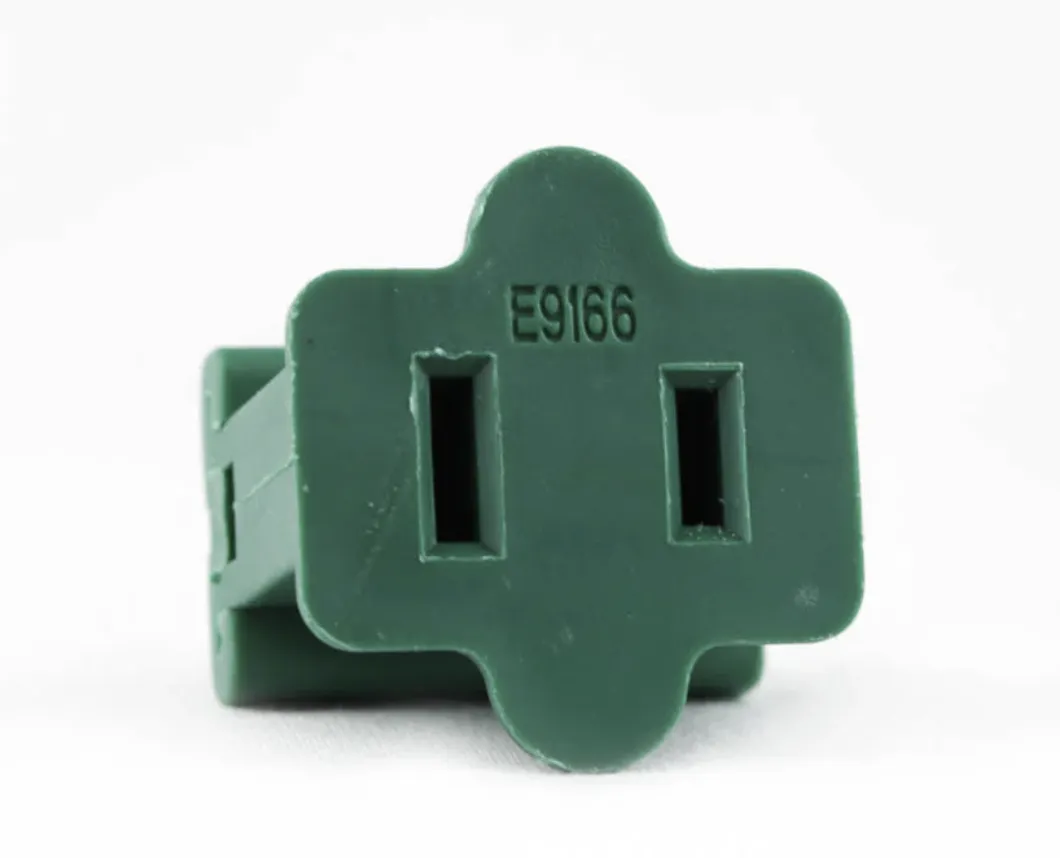
Female Plugs
(with Knockout Tab (SPT-2)
Enhance your custom lighting projects with our premium Female Gilbert SPT-2 zip plugs, designed for superior performance in all weather conditions. Unlike standard options, these plugs feature prongs that maintain their integrity even in frigid temperatures, ensuring reliable connections throughout the winter season. Perfect for creating custom Christmas light stringers or bespoke extension cords, these versatile plugs attach effortlessly to zip cord wire, allowing you to connect strands end-to-end with ease. The white SPT-2 female zip plugs are specifically tailored to complement white SPT-2 zip cord electrical wire, providing a seamless and professional appearance. Equipped with a 2-prong polarized design for safety and stability, these plugs are constructed from heavy-duty plastic..
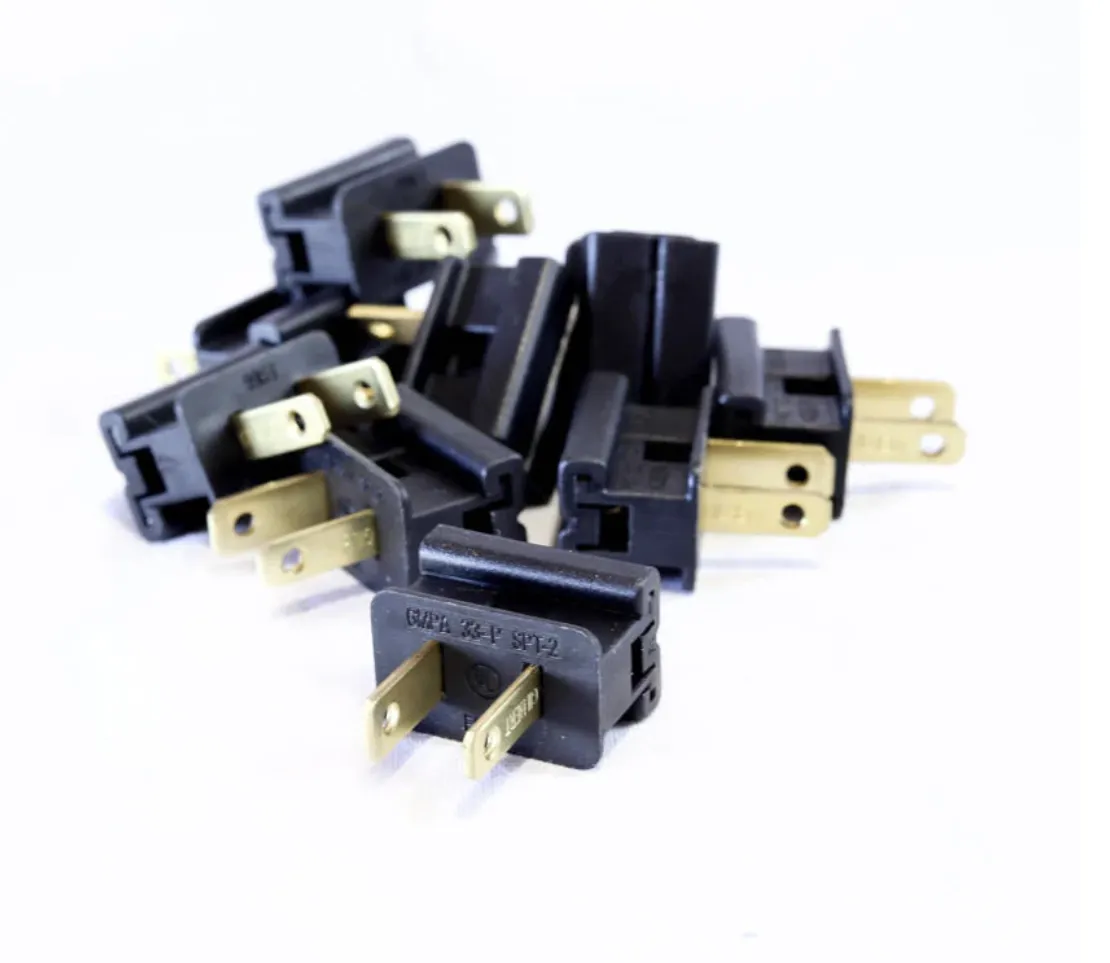
Male & Female Plugs
10 Pack (SPT-2)
Elevate your custom lighting projects with our top-of-the-line Male & Female zip plugs, engineered for unparalleled performance in all weather conditions. Unlike standard options, these plugs feature prongs that resist bending even in frigid temperatures, ensuring reliable connections throughout the winter season. Perfect for crafting custom Christmas light stringers or bespoke extension cords, these versatile plugs attach seamlessly to zip cord wire, allowing for easy end-to-end strand connections. The black SPT-2 Male & Female zip plugs are specifically designed to complement black SPT-2 zip cord electrical wire, offering a sleek and professional appearance. Featuring a 2-prong polarized design for enhanced safety and stability, these plugs are constructed from heavy-duty plastic, making them ideal for both indoor and outdoor applications.
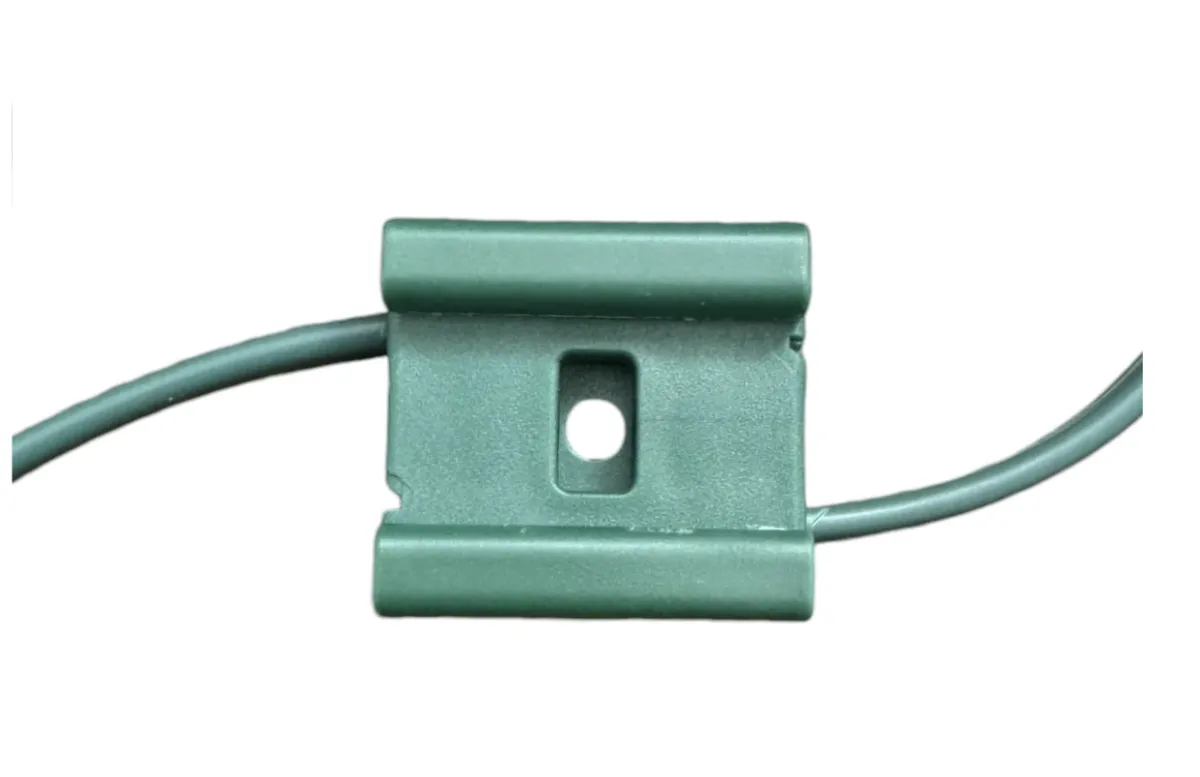
Gilbert One Plug SPT
The One Plug makes Christmas light installation a breeze by directly connecting two wires, eliminating the need for separate male and female plugs. Its efficient design saves time and speeds up your setup. Crafted from durable plastic with sturdy prongs, it's built to last all season, making it a dependable choice for any lighting project. Ideal for anyone wanting to simplify their holiday light displays with ease and confidence. Available in Green, White, Brown and Black
Misc
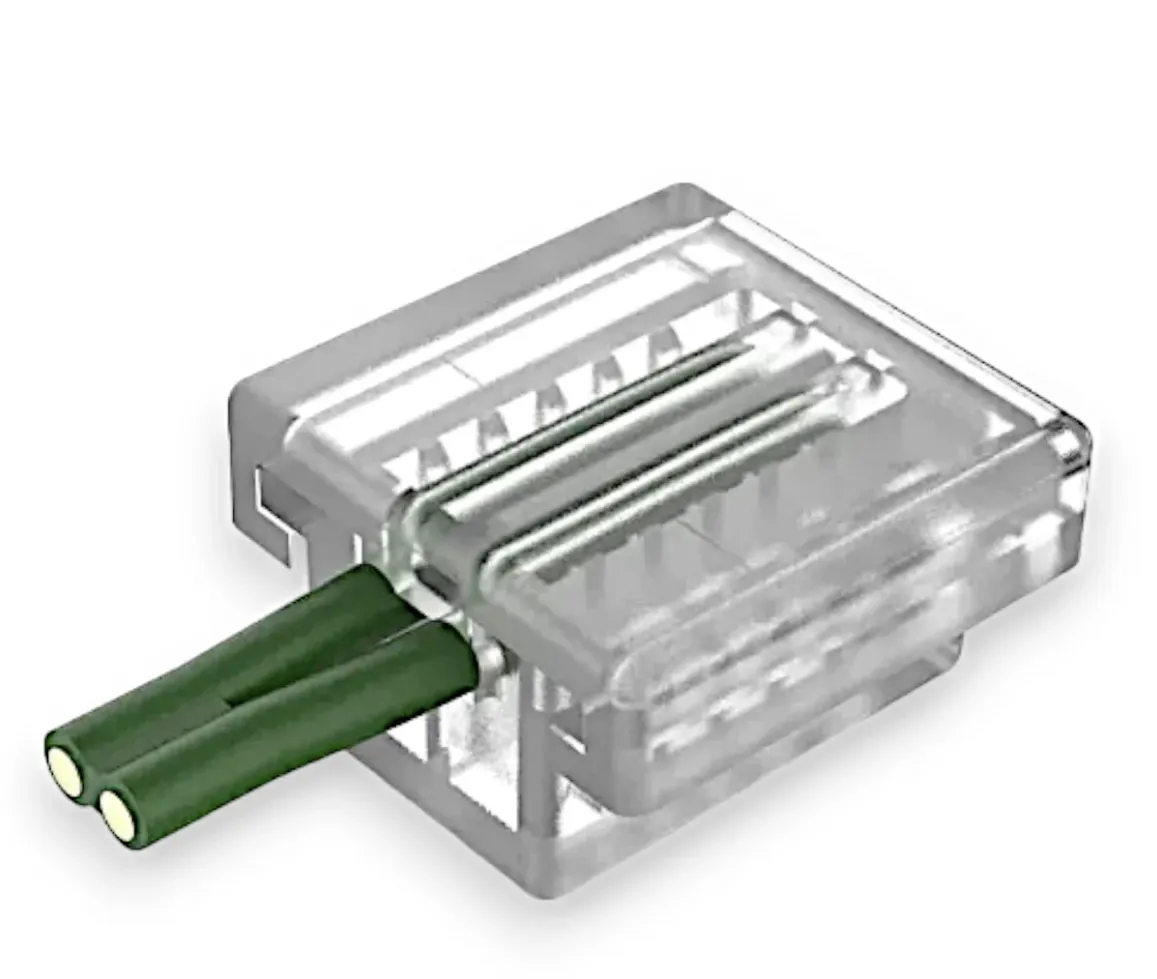
Wire Termination Cap
Enhance the safety and appearance of your lighting projects with our high-quality wire end caps, available in convenient bags of 10. These essential accessories are designed to protect the exposed ends of your wiring, preventing potential hazards and providing a clean, professional finish to your installations. Crafted from high-grade, durable materials, these end caps ensure long-lasting protection against moisture, dust, and accidental contact. Their user-friendly design allows for quick and easy application, making them ideal for both professional installers and DIY enthusiasts. Whether you're working on holiday lighting, landscape illumination, or any other wiring project, these end caps offer a simple yet effective solution for securing and safeguarding your wire ends, ensuring both safety and aesthetics in your electrical setups.
Gilbert One Plug
The One Plug makes Christmas light installation a breeze by directly connecting two wires, eliminating the need for separate male and female plugs. Its efficient design saves time and speeds up your setup. Crafted from durable plastic with sturdy prongs, it's built to last all season, making it a dependable choice for any lighting project. Ideal for anyone wanting to simplify their holiday light displays with ease and confidence. Available in Green, White, Brown and Black
Frequently Asked Questions
What's the difference between SPT-1 and SPT-2 wire?
SPT-1 wire is thinner and more flexible, ideal for lighter-duty applications and tighter spaces. SPT-2 wire has thicker insulation, making it more durable and better suited for heavier-duty outdoor use and longer runs. Both are available for custom lighting projects, but SPT-2 is generally recommended for extensive outdoor installations.
Can I use these wires and plugs for both indoor and outdoor lighting projects?
Yes, our wires and plugs are designed for both indoor and outdoor use. They're constructed with weather-resistant materials to withstand various environmental conditions. However, always ensure proper installation and follow safety guidelines for outdoor electrical setups.
How do I choose the right color of wire and plugs for my project?
Choose wire and plug colors that match or complement your installation surface. Green wires blend well with foliage, white is great for light-colored surfaces, and black offers a sleek look against dark backgrounds. Matching colors also helps create a more professional, seamless appearance in your lighting display.
What's the advantage of using Gilbert plugs over standard plugs?
Gilbert plugs are known for their superior durability and cold weather performance. Unlike standard plugs, Gilbert plugs resist bending and breaking in low temperatures, making them ideal for outdoor winter installations. They also provide a more secure connection, reducing the risk of disconnection or electrical issues.
How many lights can I safely connect using your SPT-2 wire?
Our SPT-2 wire is typically rated for 8 amps or 960 watts. The number of lights you can safely connect depends on the wattage of your bulbs. For example, using 5-watt bulbs, you could connect up to 192 lights. Always check the wattage of your specific bulbs and never exceed the wire's rated capacity to ensure safety.
Discover Expert Tips on Our Blog

Why Cheap Christmas Light Installers Are Losing Money
The Christmas lighting industry sits at a critical crossroads where operators must decide whether they're building a sustainable business or simply creating another job for themselves. This distinction becomes particularly evident during peak season when the difference between strategic pricing and discount pricing determines not just current profits, but long-term business viability.
Many service providers struggle to understand why their Christmas lighting operations generate revenue without producing actual profit or sustainable growth. The answer typically lies in a combination of underpricing, poor mindset, and failure to recognize the true costs of business operations. Breaking through these barriers requires honest self-assessment and willingness to charge what services are genuinely worth.
The True Cost of Underpricing
When operators charge $6 per foot instead of $8-10 per foot, they often dismiss the difference as minimal—perhaps $200 per job on a typical 150-foot installation. However, this seemingly small difference compounds dramatically across an entire season, representing thousands in lost profit that could fund marketing, equipment upgrades, or business expansion.
The real issue extends beyond immediate profit loss. Underpricing prevents investment in the systems, training, and infrastructure necessary to scale beyond owner-operator status. It creates a cycle where the business owner works constantly but never accumulates resources to hire quality help, implement proper systems, or take the business to the next level.
Hidden Costs That Demand Premium Pricing
Every Christmas lighting business faces numerous expenses that low-pricing strategies fail to cover adequately. Labor costs extend beyond hourly wages to include workers' compensation insurance, payroll taxes, training time, and recruitment expenses. Equipment costs encompass not just ladders and lights but vehicles, maintenance, fuel, and depreciation.
Insurance requirements alone—general liability, workers' compensation, and vehicle coverage—can consume significant portions of revenue. Add marketing expenses, administrative time, customer service, warranty obligations, and unexpected callbacks, and the true cost of each installation becomes substantially higher than many operators realize.
Successful businesses factor all these costs into pricing structures, ensuring each job contributes to overall profitability rather than simply covering direct expenses. This comprehensive approach to pricing creates the financial foundation necessary for sustainable growth.

The Mindset Barrier
The most significant obstacle to premium pricing isn't market resistance—it's the business owner's internal belief system. Operators who convince themselves their market "won't pay" premium prices create self-fulfilling prophecies. This limiting mindset manifests in sales conversations, body language, and presentation quality, subtly communicating doubt to potential customers.
Successful operators in identical markets—sometimes on the same streets—routinely charge $9-12 per foot while their competitors struggle at $6. The difference isn't market demographics or customer capacity to pay. It's the confidence and value proposition the business owner projects during sales interactions.
Developing Premium Pricing Confidence
Building confidence in premium pricing requires understanding that customers don't purchase based primarily on technical specifications or cost per foot. They buy emotional benefits: the joy of creating holiday magic, the convenience of professional service, the peace of mind from proper safety protocols, and the satisfaction of impressing neighbors and guests.
When operators focus sales conversations on these emotional drivers rather than bulb specifications or installation techniques, price resistance diminishes dramatically. Customers willing to invest in premium holiday experiences aren't primarily concerned with comparing per-foot costs—they're evaluating whether the end result justifies the investment.
This shift requires rewiring habitual sales approaches. Instead of leading with technical details about LED efficiency or bulb placement strategies, successful operators ask about holiday traditions, family gatherings, and what the customer hopes to achieve. These emotionally-centered conversations naturally support premium pricing.
Selling Experience, Not Products
The fundamental error many Christmas lighting businesses make involves selling products and services rather than experiences and transformations. Customers don't lie awake at night dreaming about C9 bulbs or SPT wire specifications. They envision magical holiday displays that create memories, impress guests, and express their holiday spirit.
Consider a customer planning a winter wonderland-themed baby shower. The sale isn't about how many feet of lights or which clip style will be used. It's about creating an unforgettable experience for the expectant mother, impressing guests, and generating memories that last a lifetime. When operators understand this fundamental truth, pricing discussions shift from cost justification to value creation.
Practical Application of Experience-Based Selling
During initial consultations, asking the right questions reveals emotional motivators that support premium pricing. Questions about holiday traditions, special occasions, grandchildren visiting, or entertaining plans uncover the true value drivers. These insights allow proposals to be framed around delivering desired experiences rather than simply installing lighting systems.
For example, learning that grandchildren will visit for the first time in years creates opportunities to discuss how professional lighting will enhance those precious moments. Understanding that a customer hopes to win the neighborhood decorating contest frames the proposal around achieving that specific goal rather than generic installation services.
This consultative approach positions the business as a partner in creating desired outcomes rather than a commodity service provider competing primarily on price. Customers willingly pay premium prices when they perceive unique value aligned with their specific goals and emotional drivers.
The Customer Quality Factor
Premium pricing doesn't just improve profitability—it attracts better quality customers. Clients who select services based primarily on lowest price tend to be the most demanding, least appreciative, and most likely to generate callbacks for minor issues. They often request additional services without additional payment and leave negative reviews over small imperfections.
Conversely, customers comfortable with premium pricing typically value quality, appreciate professional service, respect the expertise involved, and become excellent referral sources. They understand that superior results require investment and are more likely to become long-term, returning customers who contribute to sustainable business growth.
Managing Customer Expectations Through Pricing
Pricing strategy sets expectations before the first interaction. When businesses position themselves as premium providers through confident pricing, they attract customers who expect and appreciate professional execution. This alignment creates more satisfying business relationships for both parties.
Lower pricing attracts customers expecting budget results but often demanding premium outcomes—a fundamentally incompatible expectation that generates frustration and conflict. Premium pricing eliminates this disconnect by attracting customers whose expectations align with the service level provided.

Market Realities and Competition
Every market contains competitors operating at various price points, from budget operators charging $2-4 per foot to premium providers at $12-15 per foot. This range will always exist. The key insight is that different customer segments seek different value propositions—attempting to compete across all segments simultaneously is impossible.
Successful businesses identify their ideal customer segment and align their entire operation—pricing, marketing, service delivery, and communication—to serve that segment exceptionally well. They recognize that trying to be everything to everyone dilutes focus and prevents excellence in any area.
Geographic Considerations
Location within a market significantly impacts pricing potential. Rural areas 45 minutes from metropolitan centers naturally present different dynamics than affluent suburban neighborhoods. Successful operators in less affluent areas often travel to markets supporting premium pricing rather than compromising their business model to serve local budget-conscious customers.
This geographic flexibility requires thinking beyond immediate proximity to consider where ideal customers live. Driving 30-45 minutes to serve premium markets often proves more profitable than working locally at unsustainable prices. The additional travel time becomes insignificant when each job generates substantially higher margins.
The Urgency of Peak Season
The period from mid-October through Thanksgiving represents the critical window for Christmas lighting businesses. This compressed timeframe demands maximum effort in marketing, sales follow-up, and installation scheduling. Backing off marketing during this period because "we're already busy" represents a costly strategic error.
Successful operators maintain aggressive marketing throughout peak season for multiple reasons. Early customers who haven't scheduled yet still represent significant revenue opportunities. Creating urgency through scarcity messaging ("only a few spots remaining") motivates fence-sitters to commit. Most importantly, continuing to build brand awareness and customer engagement during high-visibility season generates referrals and positions the business for subsequent years.
Tactical Execution During Peak Season
Specific actions during this critical period include posting multiple photos daily to social media platforms, recording and sharing video content showing installations in progress, requesting and promoting customer reviews immediately after installation completion, and maintaining aggressive yard sign placement in high-traffic areas.
Many operators make the mistake of reducing marketing when they feel "busy enough." However, the definition of "busy enough" often proves conservative. Pushing beyond comfortable capacity—through extended hours, strategic partnerships, or selective subcontracting—typically reveals that significantly more revenue was available than initially believed.
The compressed season means every day counts. Delays in follow-up, slow quote turnaround, or gaps in marketing consistency represent lost opportunities that cannot be recovered. Speed matters: speed to answer inquiries, speed to provide quotes, speed to schedule, and speed to install all contribute to maximizing seasonal revenue.

Systems and Scalability
Building a business rather than a job requires implementing systems that allow operations to continue without direct owner involvement in every task. This transition represents one of the most challenging phases of business growth but is essential for reaching six and seven-figure revenue levels.
Documented processes for common scenarios—standard residential installations, commercial properties, customer intake procedures, quote creation, and follow-up sequences—allow training employees to deliver consistent results. Without these systems, the business remains dependent on the owner's personal involvement, creating a ceiling on growth potential.
The Revenue Progression Challenge
Most Christmas lighting businesses find reaching $100,000-200,000 in annual revenue relatively achievable with the owner performing most installations alongside one helper. Scaling from $500,000 to $1,000,000 requires fundamentally different operations: multiple crews, administrative support, systematic quality control, and delegation of installation work.
The profitability paradox occurs during this transition. Businesses are often most profitable at $200,000-300,000 with minimal staff, experience a profit squeeze while scaling through $500,000-800,000 as they add overhead, then return to strong profitability beyond $1,000,000 when systems mature and efficiency improves.
Understanding this pattern helps operators persist through the challenging middle phase where adding necessary infrastructure temporarily reduces profit margins. Many businesses stall at $300,000-500,000 because owners resist the temporary profit reduction required to build scalable operations.
Taking Relentless Action
The common thread among successful Christmas lighting businesses isn't luck, location, or special advantages—it's consistent, relentless action execution. While others discuss, plan, and prepare, successful operators implement, test, adjust, and scale. They understand that imperfect action produces better results than perfect planning.
This action orientation manifests in multiple ways: posting content despite discomfort with cameras, placing yard signs even when weather is poor, making follow-up calls when tired, and maintaining marketing momentum when installation demands are high. Each small action compounds with others to create significant results.
Overcoming Analysis Paralysis
Many operators become trapped in endless cycles of research, planning, and preparation without executing. They attend training, join groups, consume content, but never implement what they learn. This pattern provides the comfort of feeling productive without the risk and discomfort of actual action.
Breaking this cycle requires recognizing that learning without implementation produces zero results. The valuable insights aren't in the information itself but in the lessons learned through attempting implementation, adjusting based on results, and iterating toward success. No amount of study substitutes for real-world testing and adjustment.

Q1: How do I justify charging $8-12 per foot when competitors charge $5-6?
A: You don't justify it—you demonstrate value through professional presentation, emotional selling focused on customer outcomes, and confidence in your expertise. Customers willing to pay premium prices aren't comparing per-foot costs; they're evaluating overall value and trust. Focus your marketing and sales conversations on the experience you deliver, not technical specifications or pricing comparisons.
Q2: What if customers say my prices are too high?
A: Price objections usually indicate you haven't effectively communicated value or you're targeting the wrong customer segment. Refocus the conversation on their goals, the emotional benefits they'll receive, and the specific outcomes they desire. If objections persist, they may simply not be your ideal customer—and that's fine. Not every prospect should become a customer.
Q3: When is the right time to stop marketing during the season?
A: Never stop marketing during peak season. Even when you feel fully booked, continue building visibility because you may have been conservative in capacity estimates, cancellations create openings, and maintaining brand presence generates future referrals and positions you for next season. The compressed season means every incremental lead has significant value.
Q4: How do I transition from doing all installations myself to managing crews?
A: Start by documenting your processes for common installation types, create quality standards with photo examples, and recruit carefully from industries like roofing where workers already possess relevant skills. Begin with one reliable helper and gradually expand as you refine training and quality control systems. The transition is challenging but necessary for scaling beyond $200,000-300,000 annually.
Q5: What's the minimum I should charge to have a profitable business?
A: Aim for $8-10 per foot minimum with a $1,000 minimum job size. Anything less makes it extremely difficult to cover true business costs including insurance, marketing, quality equipment, proper labor rates, and administrative time while generating actual profit. Many successful operators charge $10-15 per foot depending on complexity and market positioning.

Q6: How important is having professional equipment and appearance?
A: Very important. Professional appearance—wrapped trailers, quality uniforms, well-maintained equipment—justifies premium pricing and serves as mobile marketing. Customers associate visible professionalism with quality service. The investment in professional presentation typically pays for itself through increased close rates and reduced price resistance.
Q7: Should I focus on volume or higher-priced jobs?
A: Higher-priced jobs with fewer total installations generate better profitability and customer quality. Five $2,000 installations produce $10,000 with less total work and administrative overhead than twenty $500 jobs. Premium pricing also attracts customers who value quality, generate fewer callbacks, and provide better referrals.
Q8: How do I find customers willing to pay premium prices?
A: Target affluent neighborhoods through strategic yard sign placement, focus marketing messaging on experience and convenience rather than price, and ask qualifying questions early in the sales process. Let your pricing naturally filter customers—those who immediately focus on price comparisons typically aren't ideal clients. Your ideal customers exist; you need marketing that reaches them.
Q9: What if I'm already booked but keep getting leads?
A: Increase prices for new customers, create a waiting list, consider strategic partnerships or subcontracting, or extend your season. Getting "too many leads" is a high-quality problem indicating strong demand. Rather than turning business away, explore ways to capture additional revenue through creative solutions or use it to justify price increases for future seasons.
Q10: Is it too late to start for this season?
A: It's rarely too late if you take immediate, aggressive action. Focus on door-to-door sales, quick quote turnaround, and immediate installation scheduling. Some operators have started in late October and still achieved strong first-year results. However, earlier starts provide more time for systematic marketing and customer acquisition. For next season, begin preparation and marketing in late summer.

Copyright ©2025 All Right Reserved website designed by christmaslights.io
Terms of Service / Privacy Policy
Have questions or need assistance?
Contact us at (855)619-LITE