Invisilights
Permanent Holiday Lighting
Customizable Lights for Any Event
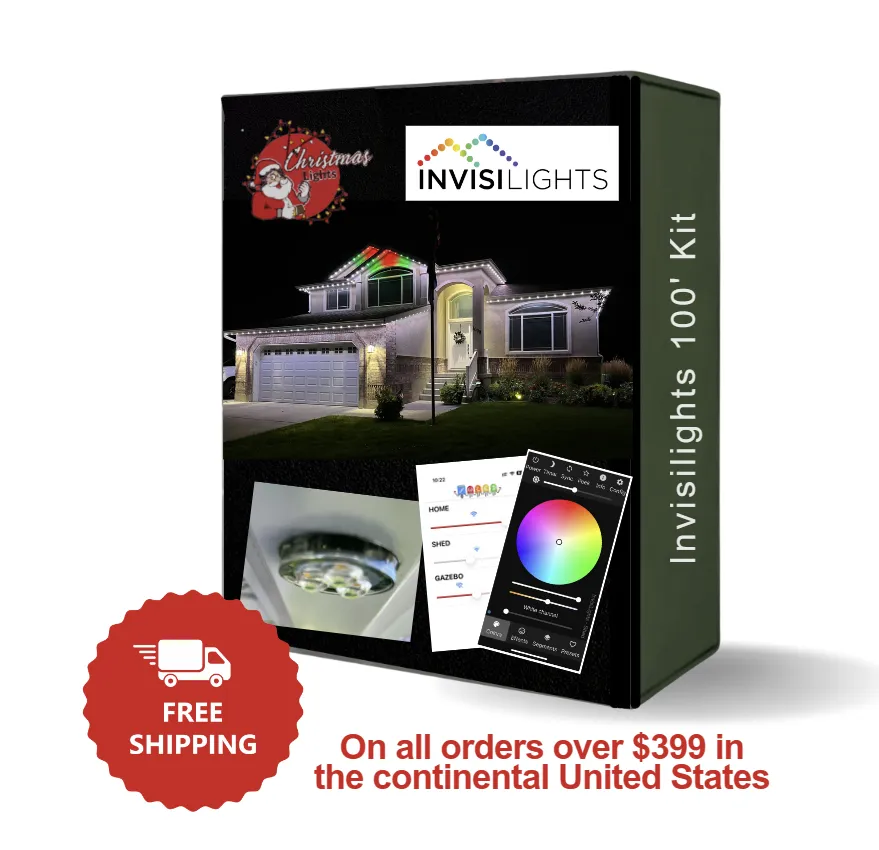
Permanent Christmas Lights 24V Kit
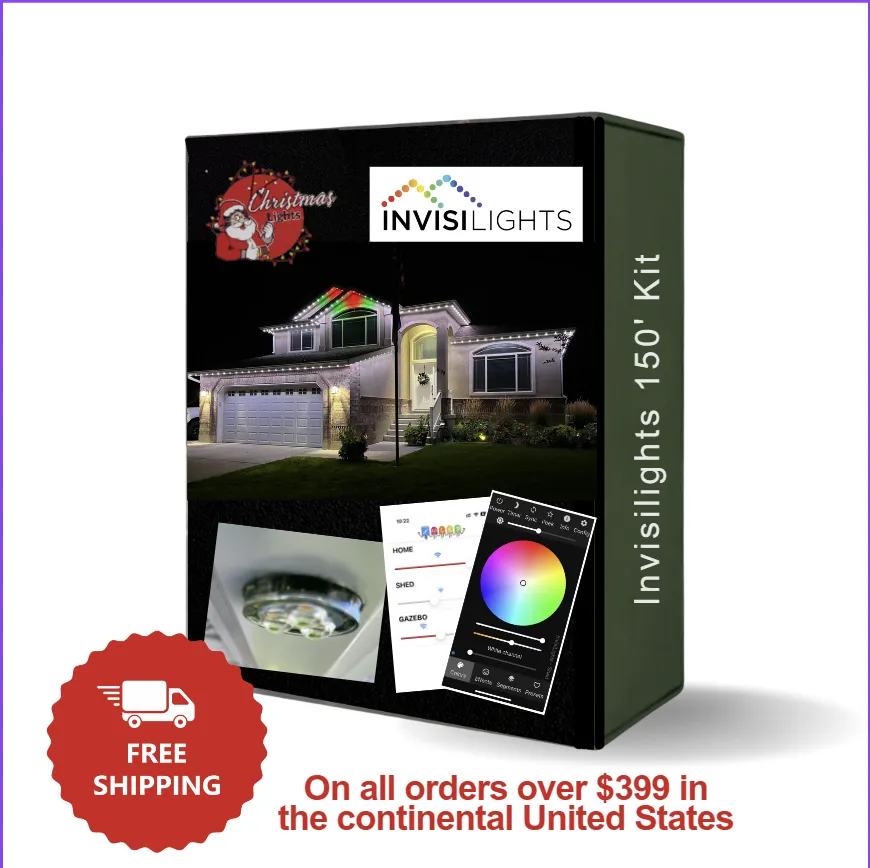
Permanent Christmas Lights 36V Kit
Permanent Christmas Lights
Demo Kit
WHAT YOU NEED TO KNOW BEFORE ORDERING
Total Linear footage of the installation.
This should include footage of lights and channel along with any Extensions or jumps you'll need to make
Where your controller box will be located
This is the most important step to planning out an installation, Without knowing where the controller will be you'll have no way to know the right materials to buy when it comes to extensions and accessories.
What Voltage system you want to use 24V or 36V
This is a decision you will make based on convince and efficiency, the most important factor with this will be the footage of each lighting run. If the total footage of a run is over 100' you'll need to either power inject on that run or switch to the 36V system that can go up to 200' before needing power injection.
Draw a Map
By mapping out the installation you'll be able to better understand and plan out the install giving you a better idea of what all you'll need to purchase to complete the job.
take the measurements from your map and add up the total number of materials you'll need.
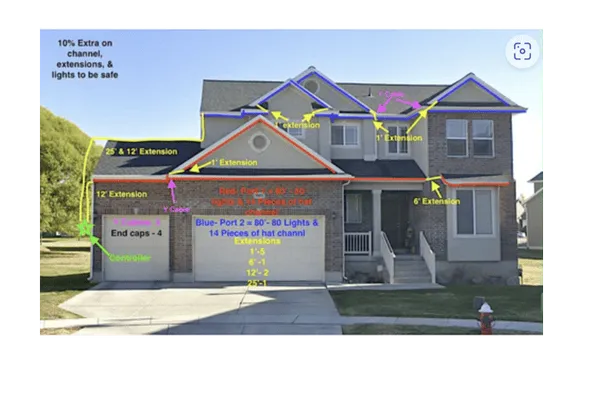
For the Map out example above the total material breakdown is:
System Voltage: 36V
Color of channel: Cameo
Channel Type: Hat
Total Lighted Footage: 160'
Power injection: NO
Controller: 1
Channel: 27- 6' sticks
Screws- 200
Lights: 175
1' extensions-7
6' Extensions-2
12' extensions-2
25- extensions- 1
Y Cables- 3
End caps- pack of 10
Absolute necessities
-Controller
-Lights
-Channel
-Screws
-Extension cables
Other Accessories
-Y Cable
-End Caps
- Signal boosters
-Power injection material
When would you need to power inject?
The controller will come with 3 outputs for your lighting runs, each 36V output can do a Max of 200', the 24V system can do a max of 100'. After that max you'll need to inject power. After you do so you can go an additional 100' with the 24V or 200' with the 36V system.
Power injection is needed due to voltage drop, voltage drop happens due to the length traveled away from the power source along with the gauge of the wire. due to the gauge of wire the lights and extensions run on it drops in voltage enough at 100' with the 24V system and 200' with the 36V system to effect the lights performance requiring a addition of power (Power Injection)
Materials needed for power injection 36V
Power injection pig female pig tale
Power injection Extension cables
Power injection T Cable.
Materials needed to Power inject 24V
16/2 - 12/2 Low voltage landscaping wire
Cut and Splice T cable
Water Proof Wire connectors
Discover the Transformative Power of Invisilights: Expertly Installed Permanent Lighting Solutions
Enhance your installation offerings with Invisilights, the premier permanent lighting solution designed for seamless integration into any property’s exterior architecture.
Crafted with high-quality aluminum channels and advanced LED technology, Invisilights delivers durability and superior energy efficiency—key selling points for your clients seeking long-lasting, cost-effective lighting solutions. Our system not only provides brilliant illumination but also boosts the aesthetic appeal and functionality of any home.
Offer your clients peace of mind with our robust 5-year warranty, ensuring reliable performance and minimal maintenance needs. This warranty supports your commitment to quality and customer satisfaction, making it easier for you to sell and install with confidence.
Our flexible, programmable system allows you to meet any client’s specific desires—from subtle accents to full-scale holiday displays—making it an adaptable choice for various applications. With Invisilights, you can cater to a wide range of preferences and needs, increasing your market reach and customer retention.
Choose Invisilights for your installations and add a transformative product to your portfolio that will impress clients and ensure your services remain in demand for years to come.
Frequently Asked Questions
What exactly comes in the 150' InvisiLights permanent outdoor lighting kit?
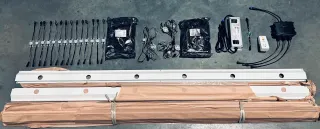
The InvisiLights kit is comprehensively equipped to ensure you have everything you need for installation. Each kit includes:
27 sticks of 6-foot Aluminum Channel to house and protect the lighting elements.
150 feet of dynamic RGBW LED Lights, which includes 23 sets of 6-count and 14 sets of 1-count lights, allowing for extensive coverage and diverse configuration options.
2 Data Boosters to enhance signal strength across the lighting installation, ensuring consistent control and color output.
A 320W Power Supply capable of supporting up to 190 puck lights, providing ample power for even the most extensive setups.
1 GFCI Outlet Adapter to ensure safe outdoor electrical connections.
1 Controller that allows you to manage and customize the lighting effects easily.
Will I need any additional components besides what's included in the Invisilights permanent lighting kit?
While the Invisilights kit comes with all the essential components for a standard installation, there are a couple of scenarios where you might need additional items:
Jumper Wires: Depending on the layout of your installation and the number of gaps or 'jumps' between the sections of lights, you may require jumper wires. These wires help bridge the gaps without losing the continuity of the light sequence, ensuring a smooth and uniform display across more complex architectures.
Data Boosters: If any section of your lighting setup is more than 15 feet away from the control box, additional data boosters will be necessary. Data boosters help maintain the integrity and brightness of the lights over longer distances, ensuring consistent performance throughout your installation.
Can I choose the color of the aluminum channel for my InvisiLights kit?
Yes, you can select your preferred color for the aluminum channel to match your home’s exterior or personal taste. Please make sure to specify your color choice in the notes at checkout when you place your order.
How do the included components of the InvisiLights kit enhance the lighting system?
Each component in the InvisiLights kit plays a crucial role in creating an effective and stunning lighting display:
Aluminum Channels: Provide a durable, weather-resistant housing for the LED lights, which helps in maintaining a clean and nearly invisible look during the day.
RGBW LED Lights: Offer vibrant, full-spectrum color and white light combinations, making it perfect for any occasion from festive holidays to elegant ambient lighting.
Data Boosters: Ensure that the signal remains strong across longer distances, which is crucial for larger installations.
Power Supply: Designed to efficiently handle the energy needs of the system without overload, ensuring safety and durability.
GFCI Outlet Adapter: Adds an extra layer of safety by protecting against electrical shorts and surges, particularly important in outdoor settings.
Controller: Provides the flexibility to customize and control the lighting sequences, colors, and patterns right from your smartphone or controller, adding convenience and advanced functionality to your lighting system.
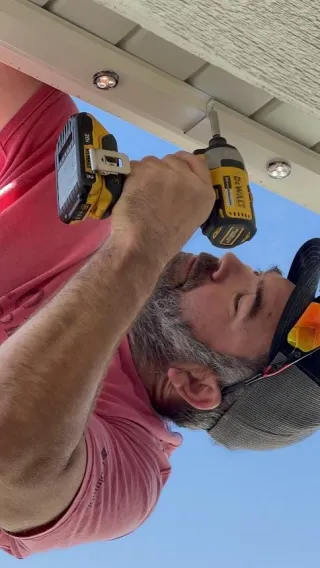
Can I use Invisilights year-round?
Absolutely! Invisilights are designed for versatile use throughout all seasons. Whether you're celebrating a special occasion, setting a mood for a party, Love your favorite sports team, or simply enhancing your home's ambiance, our lighting systems provide the perfect solution for any event, big or small.
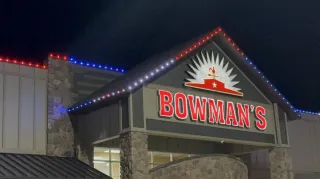
Can I set timers and events for Invisilights?
Yes, Invisilights feature advanced programmable settings that allow you to schedule lighting for specific events and automate timers. This functionality ensures that your lighting preferences are perfectly aligned with your lifestyle, turning on and off at predetermined times without any manual intervention.
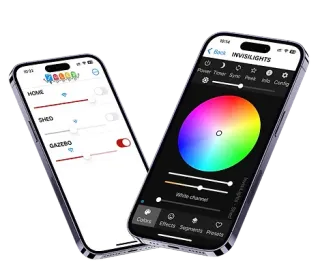
Is it possible to achieve warm or soft white with Invisilights?
Absolutely, Invisilights are equipped with RGBW technology, which includes a dedicated white LED alongside the standard red, green, and blue LEDs. This addition allows the system to produce authentic warm white, soft white, and various other shades of white with greater accuracy and intensity compared to traditional RGB systems. This capability ensures that you can effortlessly tailor the lighting to fit the desired ambiance and aesthetic of any environment, providing precise control over both vibrant colors and the subtlety of different white tones.
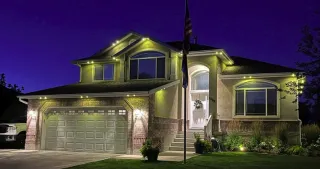
How do you ship your product?
Our products are shipped directly from our warehouse using reliable shipping carriers to ensure timely and safe delivery. Each product is securely packaged to prevent damage during transit, and we provide tracking information so you can follow your order’s journey to your doorstep.
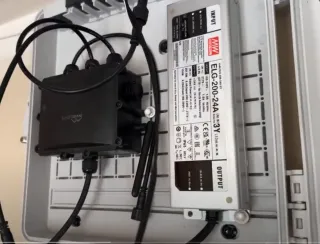
Where are the controller and power supplies installed?
The controller and power supplies for Invisilights are typically installed in an accessible location such as a garage or utility room. These components connect to your home’s WiFi network, allowing seamless control over the lighting system via our user-friendly mobile app.
How long do Invisilights last?
Invisilights are engineered to last, with each LED bulb boasting a lifespan of over 50,000 hours. Given a typical usage of 10 hours per night, this translates to approximately 5,000 nights. This means your Invisilights could illuminate your home's exterior for nearly 14 years under these conditions, ensuring that your investment not only adds beauty but also long-term value to your property.
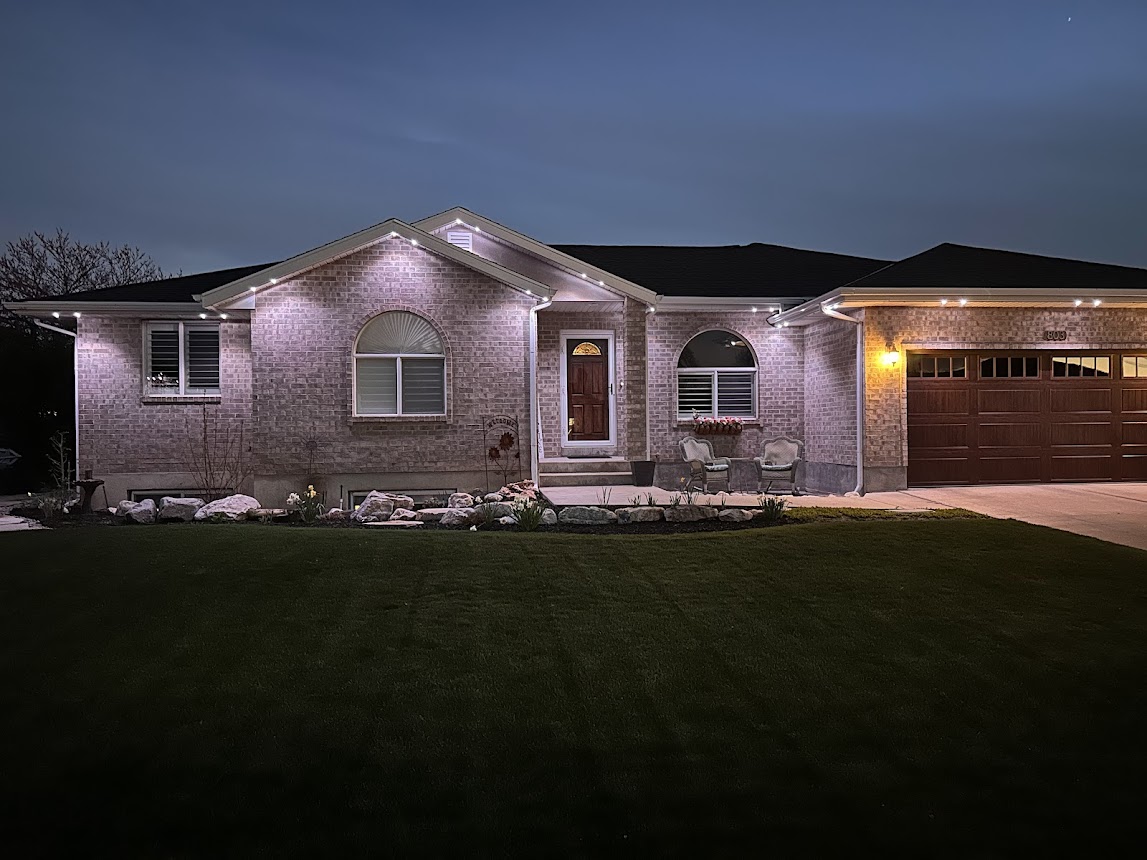
Are Invisilights dimmable?
Yes, all Invisilights are fully dimmable. This feature allows you to adjust the intensity of the light to suit various occasions, from a soft glow for a romantic evening to bright, vibrant colors for a festive celebration.
What types of custom channels are available?
Invisilights offers two types of custom channels, available in 40 different colors, ensuring a nearly invisible installation. These channels are designed to blend seamlessly with your home’s architecture, providing discreet yet effective lighting.

Can I control different zones independently?
Yes, the Invisilights system supports multiple zones which can be controlled independently or synchronized. This functionality allows for intricate lighting designs that can vary across different areas of your home, enhancing the overall impact and utility of your installation.
What is outdoor permanent lighting?
Permanent lighting refers to architectural-grade lighting systems that are installed permanently on your property to provide year-round illumination.
How does permanent lighting differ from traditional holiday lighting?
Unlike traditional holiday lighting, which is typically temporary and used only during specific seasons, permanent lighting is installed once and can be used throughout the year for various occasions
Discover Expert Tips on Our Blog

What's Working for Christmas Light Installers in 2026: Getting Jobs, Pricing Right, and Closing More
Installers across the country are having some of their best weeks ever this season. Some have reported hundred-thousand-dollar weeks, and others are simply booking their first jobs. What separates them is rarely luck. The installers who are growing are the ones taking action on a handful of proven things: reaching out to past customers, running ads, putting out yard signs, pricing with confidence, selling the feeling instead of the bulbs, and following up relentlessly.
This guide pulls those together for professional installers who want to grow. If you want more systems for building a Christmas light business that scales, start here.
First, Don't Get Discouraged Before November
If you haven't booked a job yet, hold off on the panic. Mid-October is early. Right now, many people are still tire kicking, seeing what the price would be if they did it. New installers especially are learning many skills at once, and slow weeks in October are normal.
Here is the pattern to plan around:
November is the month. About 90% of your new clients come in November.
Clear your calendar. Get all of last year's jobs installed in October so November is wide open for new customers.
The week before Thanksgiving is typically the busiest week of the year.
Leads can come in fast. Some installers see very high daily lead counts that week. They get there through referrals, thousands of dollars in ads, thousands of dollars in SEO, a built-out website, posted pictures, Facebook posts, and videos.
So don't judge your season until November 1. If you're doing the work, keep going.
Start With the Easiest Money: Return and Past Customers
The first place to look is your own customer list.
Re-Book Your Return Customers
If this isn't your first year, are your return customers already scheduled? Reach out and get them on the calendar. Once their lights are up, use that time for marketing: take photos of your crew and your finished work, and use them to update your website. Strong photos and a well-built site support Google EEAT (Experience, Expertise, Authoritativeness, and Trustworthiness), which helps your website rank.
Offer Lights to Customers From Other Services
If you're newer, you may still have an email list or customer list from another service. A painter can reach out to painting clients. One deck builder emailed his deck customers and had almost 13 or 14 Christmas light jobs booked already.
Text or email them directly: "Did you know we're offering Christmas lights? Would you like me to offer you Christmas lights?" It costs almost nothing, and these customers already trust you.
Paid Ads: Google Ads and Facebook Ads Are Working
Both Google Ads and Facebook Ads are bringing in leads for installers right now. Some people are running both, and one often outperforms the other, which is why you should test.
Budget matters. If you're just starting, you may spend $25 or $50 a day. Some installers spend hundreds of dollars a day. Clicks are cheaper now than they will be once the season is in full swing, so early spend goes further.
Be patient and adjust. Some installers run Google Ads at $100 a day and haven't seen leads yet. If clicks are low in your area, broaden your keywords to reach more people.
Make sure the foundation is solid. Ads only work if your website is optimized and converts visitors into leads. Make sure your Google Business Profile is up, complete, and full of pictures.
Know What Your Lead Source Says About Your Ticket
Lead source affects your average ticket and close rate. One installer who ran only yard signs last year and only Facebook this year saw a lower average ticket and close rate. The likely reason: Facebook is people scrolling past and thinking, "Ooh, that's pretty." Yard sign leads are looking at the sign and calling because they want it done. Track where every lead comes from.
Yard Signs: Still One of the Best Marketing Tools
Yard signs work. One installer put out 1,000 signs, spent about $3,000, and brought in over $220,000. Several installers make $100,000 a year from yard signs alone. Another installer put out 50 signs for two weeks last year and did $27,000. Few other marketing methods do as well.
Where to Place Yard Signs
Think busy and high-end:
Busy intersections, which are a favorite spot
Near hospitals and doctors' offices, where people park
Near churches and schools, especially high-end schools
Near high-end grocery stores
Off the exits leading to high-end neighborhoods
On the roads going into and coming out of neighborhoods, since signs inside the neighborhood often get pulled
Expect signs to get pulled by HOAs, and that's fine. Signs get pulled fast, and they still generate phone calls.
Choosing Stakes
If you're in a high-wind area, choose the shorter 24-inch stakes because they're less likely to bend over. Taller stakes work well where the grass is high, since you push them six to eight inches into the ground and still want the sign above the grass. In dry ground, use a drill bit to start the holes.
Price With Confidence: $8 to $12 a Foot
Charge $8 to $12 a foot. Pricing is a mindset issue first. Some installers insist you can't get that in their area, and that is a self-limiting belief. Installers in Dallas, Texas are getting $8 a foot. The Washington, DC and Maryland area has plenty of money as well.
You don't need everybody. You would rather have 500 customers at a $2,000 average ticket than 1,000 customers at $1,000. Get your average ticket up.
Build High-End Packages
Your packages decide your average ticket. If you only quote $1,000 jobs, your average ticket will land around $800 to $1,000. If your top package is $4,000 or $5,000, your average ticket moves to $2,000 to $2,500. A high package also makes the base package feel affordable. People who want only the base package will still buy it.
One office target is to sell a $3,000 top package and keep every job at a minimum of over $1,000. That's easier than it sounds. A modest house with a roofline, two wreaths, a tree, ground stakes, and three bushes can reach over $3,000 in lights quickly.
Pricing Bushes, Columns, and Windows
Bushes: Typically $30 to $50 per strand. To estimate strands, use the calculator at Christmas Lights HQ.
Columns: From about $100 up to $600 to $800 each. A 4x4 column that's seven or eight feet tall is very different from a three-story, six-foot round column.
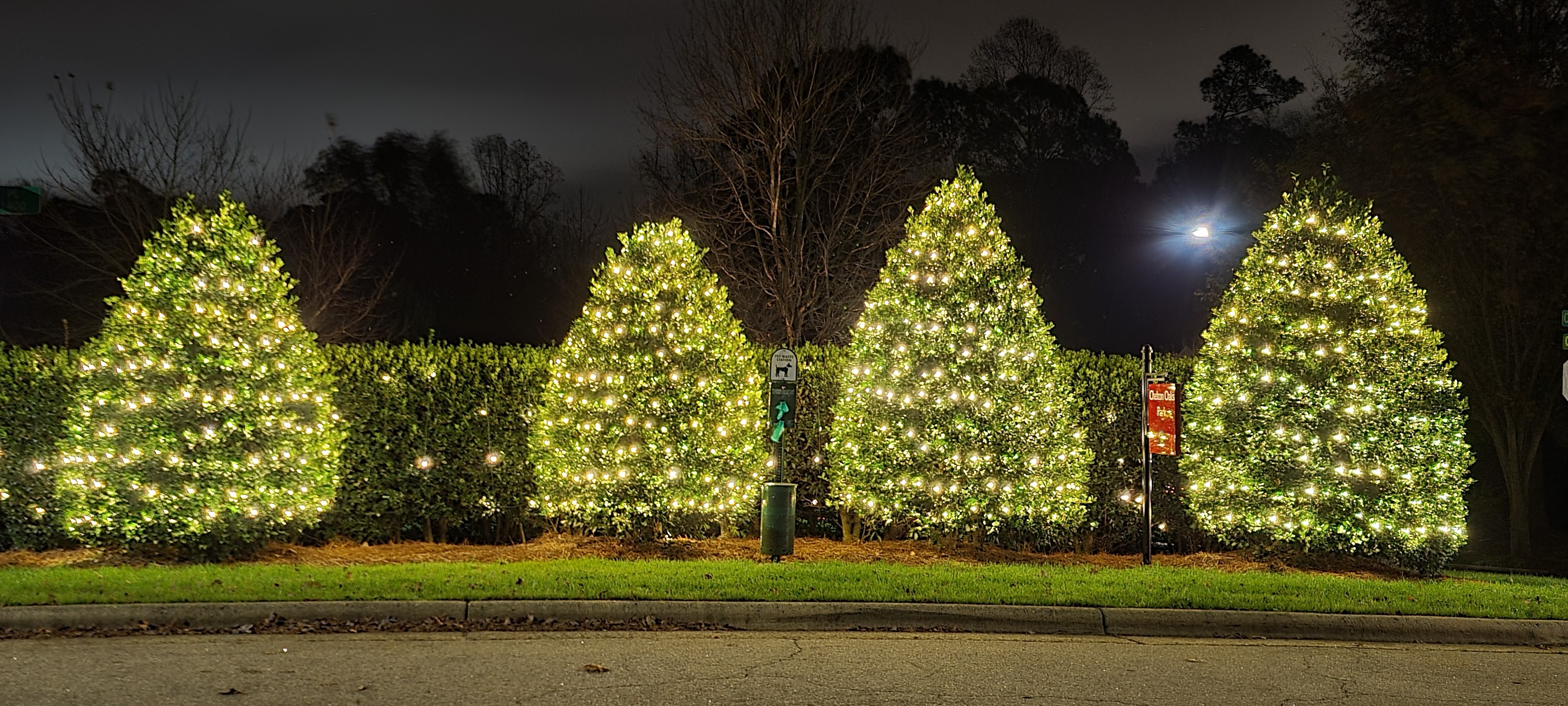
Windows: Skip them. Two $4,000 jobs can take 4 hours or 16 hours, and the windows job is the 16-hour one. Windows also take extra time to fix what falls down. If you must do them, charge something like $20 a foot so they pay for the pain. Focus on rooflines, ridges, ground stake lining, wreaths, and bushes.
Sell the Feeling, Not the Bulbs
This is the biggest shift for most installers. Quit selling and start helping people build an emotion.
About 90% of people buy on a feeling. Think of a luxury purse: it does the same thing as a cheaper purse, but it carries a feeling of status. Christmas lights work the same way. You're not selling bulbs, peaks, or roof lines. You're selling the look on the grandson's face when he comes over, and the memory of visiting grandma's beautifully lit house that grandparents want their grandkids to have.
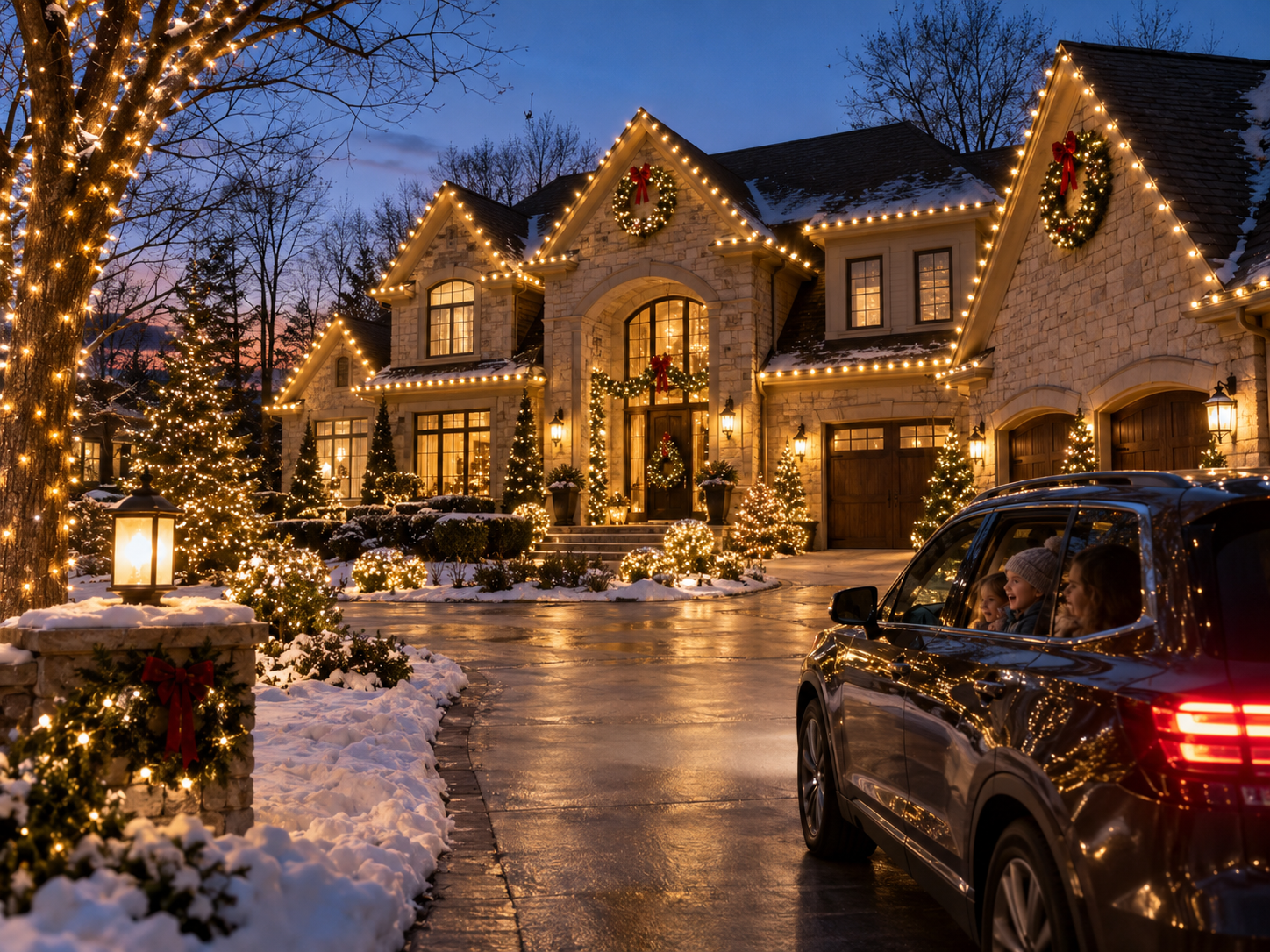
One installer who charges $8 a foot built a simple display, just two lines on the house, a wreath, and something over the door. What sold the next customer was a video of the mom's face and the little girl in her arms. The feeling was priceless, and that's what the customer paid for.
Read Your Customer
Understanding personality helps you sell. Roughly 69% of people are S-type personalities, who care about people and feelings. About 17% are C-type, like doctors and lawyers, who have already researched everything and need more information. Learn how to read people, including their DISC profile and love language, and adjust your approach.
Your Sales Process Decides Whether You Get Paid
Pretty lights don't matter if customers can't reach you or never hear back. Ask yourself:
Do you answer the phone on ring one or two? If you aren't answering the phone, you might as well not be doing anything. It's the most important part of this business.
Do you get the quote out within 5, 10, or 20 minutes, or wait until tonight and forget?
Do you have a follow-up process, and do you actually follow it?
Do you call the next day to make sure they received the quote? Customers often don't get it.
Work Every Lead Hard
When leads don't pick up during the day, they often answer a text. Send a text, a voice text, and call. If you have an address, you usually have enough to send a quote.
Follow up relentlessly. One installer follows up about 30 times within two to three weeks, with two to three calls a week plus texts and emails. Another sends 90% of proposals within 45 minutes. If your system sends six automatic follow-ups, are you also calling and texting personally? An automated message may not sound authentic.
Use Scarcity Early in the Season
Early on, give people a reason to book now. For example, raise your price to $9 a foot and offer 10% off if they book before November 1, which puts them at about $8 a foot. If they wait and call in November, you're making $9. Review your phone script too. Are you creating urgency, or sounding indifferent?
If your close rate is down from last year, compare the details: where leads came from, what month it is, and what you changed. October closes differently than November.
Invest in Your Growth
If you want to grow, plan to spend 10% of your revenue goal on marketing. To reach $100,000, spend $10,000. To reach $150,000, spend $15,000. You have two ways to grow: spend time (Facebook, knocking on doors) or spend money. One approach grew a business through Google Ads.
Other Notes From the Field
Direct mail (EDDM): Skip it in your first year. A wrong letter, picture, day, or offer can ruin results. Spend that money on Facebook ads, Google Ads, or yard signs first.
Photos: Real pictures beat AI images. Even if you have to do your own house or a friend's house, make it look amazing. Giving one away is a smart way to get content.
Lifts: When renting, think length over height. A lift that reaches out further means you move it less.
Taxes: Set aside 10 to 15% of what you earn for taxes at all times.
Materials: Order before you need them so you don't waste money overnighting product. Christmas Lights HQ typically delivers in two to three days, with an average of two days. Browse commercial Christmas lighting supplies.
Take Action
There is no easy button. Installers who started from zero, including people who were broke, have built seven-figure businesses. A painter doubled his business by getting off the truck, growing from $350,000 to over $750,000. Others make $250,000 to $300,000 a year and are home every day by two or three to spend time with their kids. Nothing special separates them from you. They took action, did the work, and kept learning.
Go knock on doors, send quotes fast, and answer the phone. For more training and strategies, visit ChristmasLights.io.

When should new installers start worrying about not booking jobs?
Not before November 1. October is full of tire kickers, and November is when roughly 90% of new clients come in.
How much should I charge per foot for Christmas light installation?
Aim for $8 to $12 a foot. Installers in places like Dallas, Texas get $8 a foot, so don't let a self-limiting belief hold you back. Learn more at ChristmasLights.io.
How can I raise my average ticket?
Build high-end packages. Quoting only $1,000 jobs lands your average around $800 to $1,000, while a $4,000 to $5,000 top package can bring your average to $2,000 to $2,500.
How much should I spend on Google Ads and Facebook Ads?
Beginners often spend $25 to $50 a day, and some installers spend hundreds a day. Clicks are cheaper before peak season, and you should test both platforms to see which brings better leads.
Do yard signs really work?
Yes. One installer spent about $3,000 on 1,000 signs and brought in over $220,000. They work best at busy intersections and near high-end schools, grocery stores, and neighborhood entrances.
How should I price bushes and columns?
Bushes are typically $30 to $50 per strand, and columns range from about $100 to $600 to $800 depending on size. Use the calculator at Christmas Lights HQ to estimate strands.
Should I install lights on windows?
Generally no. Windows take much more time for the same money. If you do them, charge a high rate such as $20 a foot.
How fast should I send a quote?
Within 5, 10, or 20 minutes of the phone call. Then follow up by text, email, and phone. One installer follows up about 30 times within two to three weeks.
How much should I spend on marketing to grow?
Plan on about 10% of your revenue goal. To reach $100,000, spend $10,000, and to reach $150,000, spend $15,000.
How do I get customers to buy at higher prices?
Sell the feeling, not the bulbs. About 90% of people buy on emotion, so focus on the memory of the grandkids' faces. Find more at ChristmasLights.io.

Copyright ©2026 All Right Reserved website designed by christmaslights.io
Terms of Service / Privacy Policy
Have questions or need assistance?
Contact us at (855)619-LITE