

Precision Control for Your Holiday Illuminations: Professional-Grade Outdoor Timers
Elevate your holiday lighting displays with our collection of professional-grade outdoor timers. These essential tools offer precise control and energy efficiency for your festive illuminations. Whether you're a professional installer or a homeowner looking to enhance your holiday decor, our range of timers provides the perfect solution for managing your lights with ease. From photo cell timers that automatically adjust to daylight changes, to digital and mechanical options offering customizable schedules, our selection ensures your displays shine at just the right times. Designed for both indoor and outdoor use, these durable timers combine convenience with reliability, helping you create magical holiday atmospheres while conserving energy. Discover how our timers can transform your lighting management and take your seasonal displays to the next level.
Timers
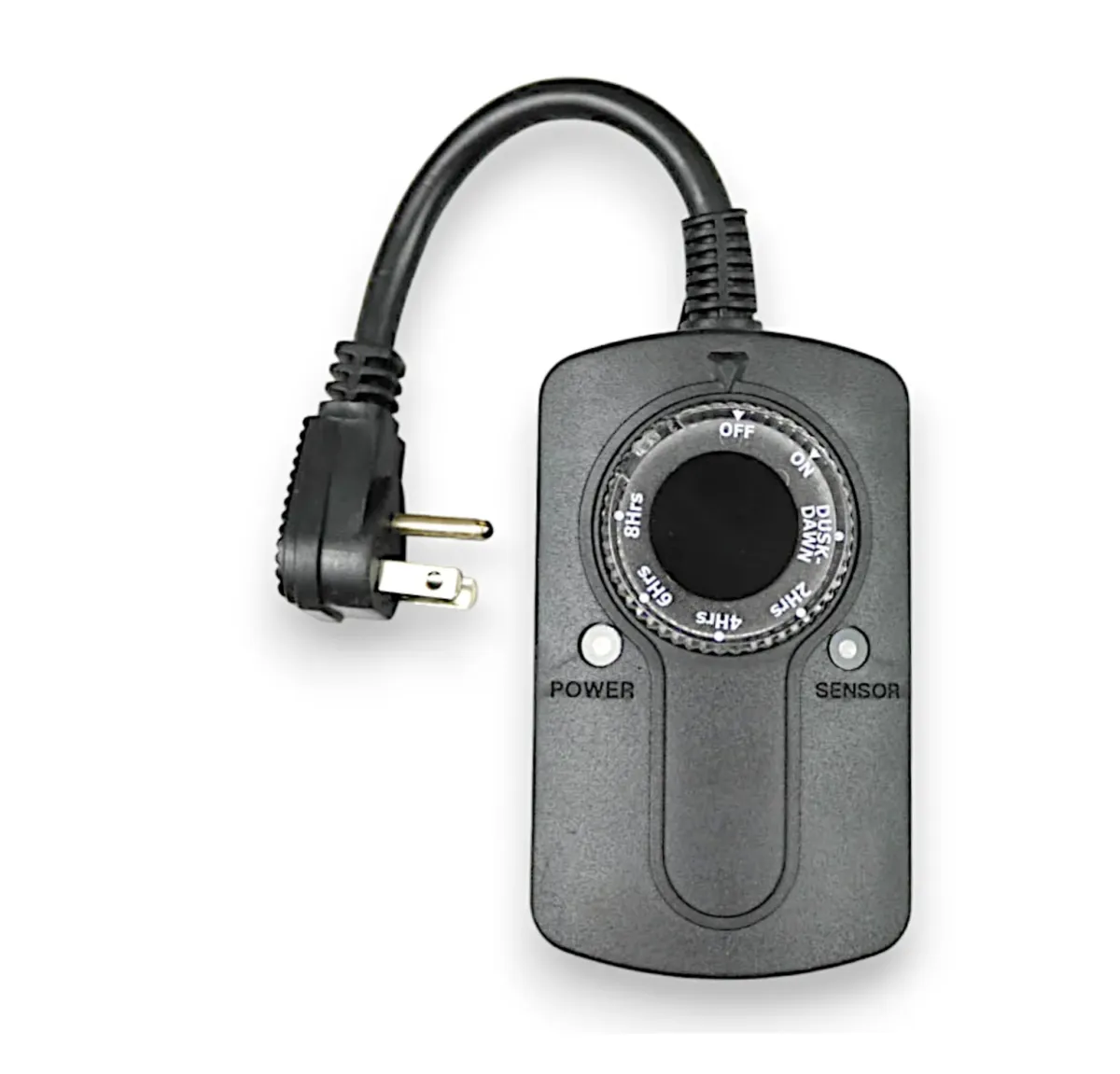
Photo Cell Timer
Enhance your holiday lighting control with our versatile Photo Cell Timer featuring a convenient right-angle plug. This intelligent device offers two outlets, providing flexible options for managing multiple light strings or decorations. The timer comes with a range of settings to suit your specific needs: choose between Off, On, Dusk to Dawn, or preset durations of 2, 4, 6, or 8 hours. The photo cell technology automatically detects ambient light levels, ensuring your lights turn on as darkness falls and off when daylight returns, perfect for the "Dusk to Dawn" setting. The right-angle plug design helps maximize space usage and reduces strain on your outlets. Whether you're looking to conserve energy, enhance security, or simply enjoy the convenience of automated lighting, this Photo Cell Timer is an essential tool for effortless and efficient holiday light management.
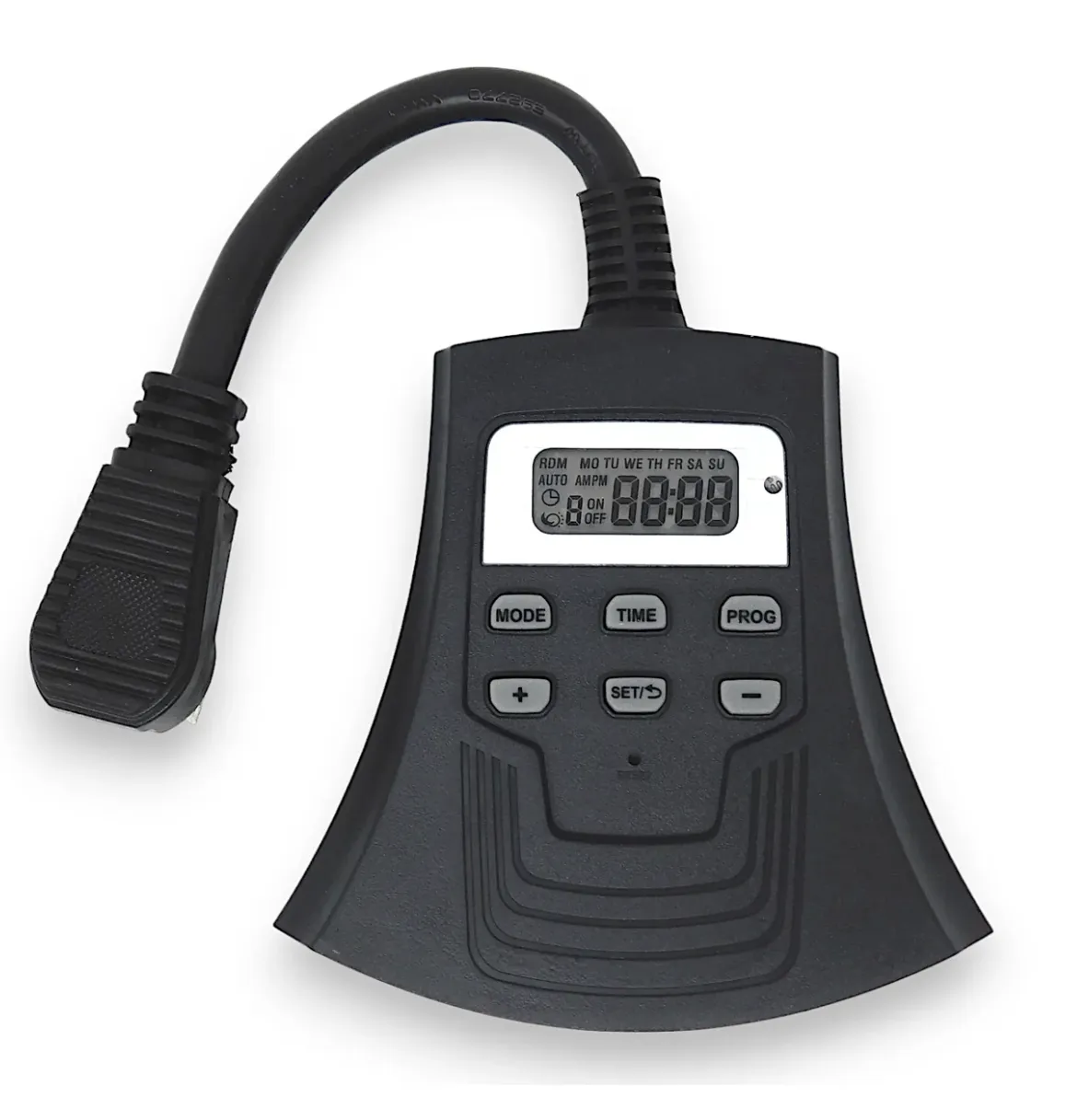
15 AMP Digital Timer
Streamline your outdoor lighting control with our efficient Mechanical Light Timer Switch Outlet. This versatile device is perfect for managing lamps, fans, garden lights, porch illumination, or holiday and Christmas displays, helping you reduce energy waste and extend the life of your decorations. The timer features customizable daily settings that you can adjust at any time, offering flexibility to match your changing needs or schedules. Built for durability, this wall-mounted timer comes with a three-prong, weatherproof design, ensuring reliable performance in various outdoor conditions. The three-switch outlet provides multiple connection options, allowing you to control several devices simultaneously. Whether you're looking to enhance security, create ambiance, or simply automate your outdoor lighting, this mechanical timer offers a user-friendly solution for effortless light management throughout the year.
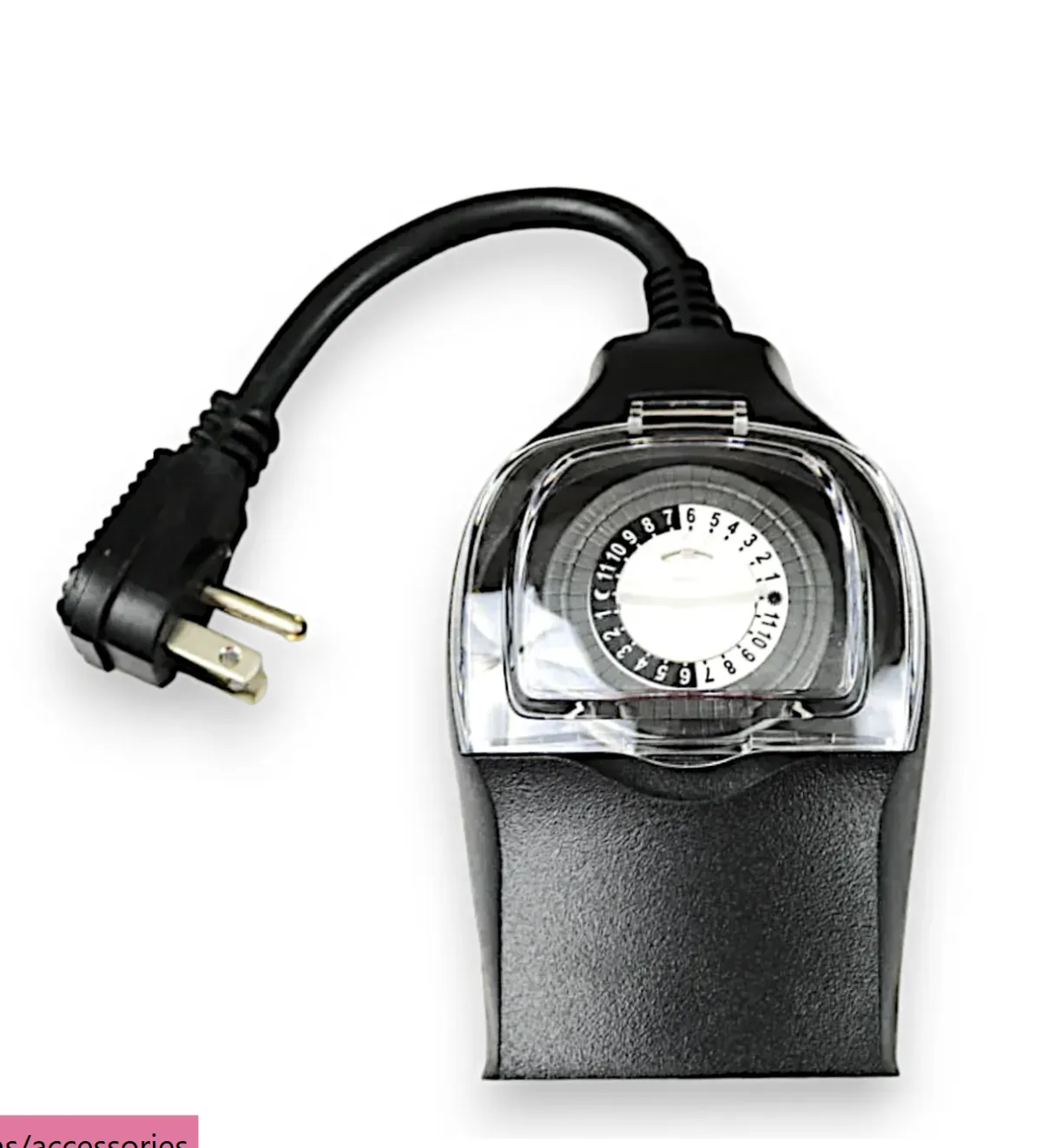
Mechanical Timer
Enhance your lighting control with our versatile In/Outdoor Mechanical Timer featuring a space-saving right-angle plug. This robust device offers two outlets, allowing you to manage multiple light strings or decorations simultaneously. Designed for both indoor and outdoor use, it's perfect for holiday displays, security lighting, or everyday household needs. The 24-hour programmable cycle provides ultimate flexibility, enabling you to set precise on/off times that repeat daily. With a powerful 15-amp capacity, this timer can handle most residential lighting and small appliance loads with ease. The mechanical design ensures reliability and ease of use, with no complicated programming required. Whether you're looking to automate your Christmas lights, control patio illumination, or simply manage energy consumption, this durable and practical timer is an essential tool for efficient light management in any setting.
Frequently Asked Questions
What types of timers do you offer?
We offer a variety of timers including Photo Cell Timers with right-angle plugs, 15 AMP Digital Timers, and Mechanical Timers. Each type has unique features to suit different needs and preferences.
Are these timers suitable for outdoor use?
Yes, all of our timers are designed for both indoor and outdoor use. They are built with weatherproof features to ensure reliable performance in various outdoor conditions.
How many outlets do these timers have?
Most of our timers, including the Photo Cell Timer and the Mechanical Timer, offer two outlets. This allows you to control multiple light strings or decorations simultaneously.
What's the benefit of a Photo Cell Timer?
A Photo Cell Timer automatically detects ambient light levels, turning your lights on at dusk and off at dawn. This "Dusk to Dawn" feature provides convenient, energy-efficient operation without manual adjustments.
Can I set specific on/off times with these timers?
Yes, our timers offer programmable cycles. For instance, the Mechanical Timer has a 24-hour programmable cycle, allowing you to set precise on/off times that repeat daily. The Photo Cell Timer also offers preset durations of 2, 4, 6, or 8 hours in addition to its Dusk to Dawn setting.
Discover Expert Tips on Our Blog

You Can't Get $8 a Foot? The Mindset, Pitch, and Marketing Behind Premium Christmas Light Pricing
"You can't get $8 a foot in my area." Installers say it all the time, and the honest answer is that if you don't believe you can get $8 a foot, you're absolutely right. This guide breaks down the mindset, the pitch, and the marketing that installers use to get $8, $10, and even $15 a foot, plus what to do about yard signs, Facebook ads, hiring, and answering the phone during the two busiest weeks of the season.
If you want more strategies for growing a Christmas light installation business, start here.
If You Don't Believe It, You Won't Achieve It
Mindset matters as much as sales technique. If you don't believe you can get $8 a foot, you will never get $8 a foot. If you don't believe it, neither will your customers. Think and Grow Rich is a book worth reading on this, and Who Not How is another good one.
Watch the Words You Speak
When you're thinking about $6 a foot and whether the customer will pay $8, those thoughts show up in your words, and customers hear it. You start thinking you'd better go to $3 because someone else will do it for $2, and soon you're thinking about a dollar. That's the battle in your head, and it comes out in every sales call.
Confident Is Not Cocky
There's a fine line between being cocky and being confident. Most people think cocky is close, so they stay far away from it and end up timid. Be confident: "This house is going to look the most amazing. I can help you. I'll show up and do what I need to do to make yours right." If you don't believe you're the best, you'll never get the best.
Win Reports From the Season
Wins matter, so look at them. Installers are posting results like these:
A coached installer closed over $15,000 on a single Friday and did more over the weekend.
A second-year installer decided to go for it and did $110,000 by himself, with another 15 to 25 days of work still to go.
One installer in a small town in Virginia of 80,000 to 90,000 people installed over $90,000 in lights for the second straight week. He was $10,000 short of a $100,000 week, and he has employees and sales people doing the installs.
One installer in Dallas, Texas closed $40,000 in a week, is fully booked for a week, and is selling at $7 to $15 a foot. He closed a $4,000 large bush wrap job.
One installer put up almost $300,000 in October and his crew never worked a weekend. He also reported a 92% renewal rate.
One first-year installer is at about $35,000 and may reach $50,000 to $75,000.
Where $8 a Foot Is Possible, and Where It's Hard
Some areas are harder. A customer located two counties away from a major city, out in the sticks, will have a tougher time getting $8 a foot, and may not get many customers even at $5 or $6 a foot. That's honest. But you can still do it, and it's not impossible.
Go to the High-Dollar Pockets
Most cities have a high-dollar pocket, and it's often on the north side of the city. Examples: the north side of Cincinnati, the northeast side of Columbus, and the northeast side of Indianapolis, including Carmel. If you live within an hour of a major city, there are wealthy people with money to spend.
You don't have to service the whole city. One installer in Dallas only services the pockets he wants. People who want Christmas lights are everywhere, but not everyone can afford them. Find the pockets that can, where people want to keep up with the Joneses and give their kids and grandkids an amazing experience.
Big Cities Have the Money
Installers in Houston and Dallas say there are only cheap people in their town, yet Houston has eight million people and expensive cars drive by every day. You don't need everybody. In Houston, installers are getting $8 to $10 a foot, and one installer in Dallas gets $8 to $9 a foot. Another in Dallas, who had hung lights for 28 years at $4 to $5 a foot, raised his prices and lost about 15 to 20% of his customers. He now makes more money and does less work, because he's getting a different type of customer.
Know Your House Range
One installer's customers were houses in about the $300,000 to $1 million range. He didn't go after multi-million-dollar homes, because they often already have landscapers and helpers. In places like California, a customer may be in a million-dollar house.
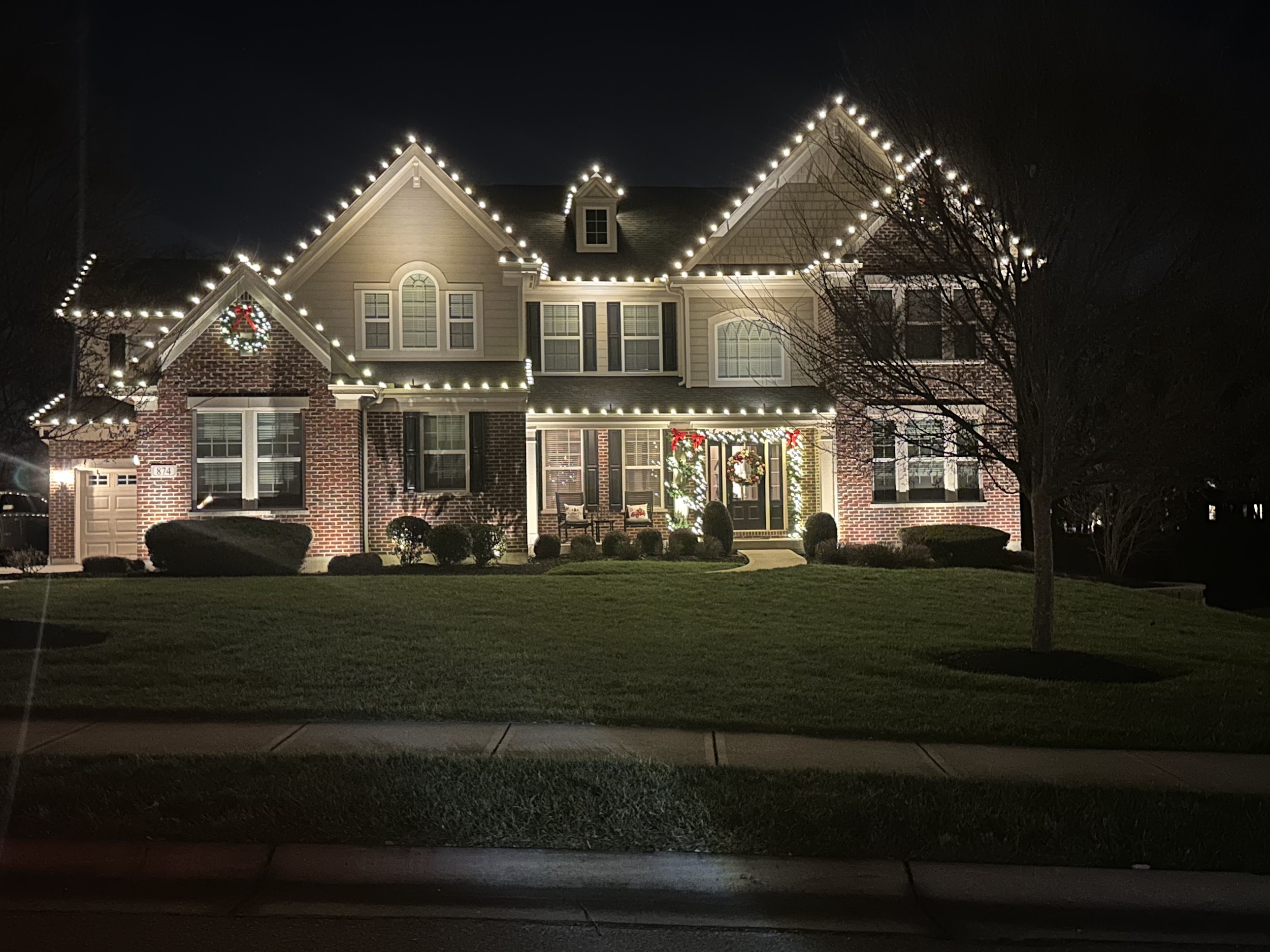
Attract Better Customers
You attract your customers. If you're cheap, you'll attract cheap customers, and people who nickel-and-dime everything complain when their customers nickel-and-dime them.
Post Your Best Jobs
On your website, don't post small houses unless you want more of them. Post the $2,000, $3,000, and $5,000 installs, because those are the customers you want.
100 Customers Beat 200
Would you rather have 100 customers paying an average of $2,000 at $8 to $10 a foot, or 200 customers paying $1,000? The first is a lot less work. For more on premium pricing, visit ChristmasLights.io.
The Pitch: Sell the Emotion, Not the Bulb
About 90% of people buy on emotion. That's true for Christmas lights and also for cars, clothing, eyewear, teeth, and hair. You're not selling Christmas lights. You're selling the emotion of Christmas.
Stop Talking About the Product
If you say, "We use LEDs. We cut the wire to the length," so does everyone else. That doesn't set you apart. You can get $5 or $6 a foot all day if that's what you want to talk about. Instead, talk about how amazing and beautiful their home is going to be, and go hard on it.
One approach used by sales pros: never talk about the product, talk about the problem you solve. For Christmas lights, the problem is making a house look amazing. Your pitch: "We make your home look amazing." You don't hang Christmas lights. You make homes look amazing.
Sell Memories
Ask customers what their parents did to decorate for Christmas. They all remember, no matter how old they are. Then tell them your goal is for their kids to have those same memories when they're that age. This is gold, so put it in your sales script. You are selling memories from when they were kids, and you will give the same memory to their kids.
Talk about the kids and how excited they'll be. One father said he could have sent his kids to Disney and spent half a million dollars and never gotten the reaction out of them that the lights did. That reaction is what you sell.
Record Your Calls
Start recording your calls. Put them in ChatGPT or Claude and ask what you can do better and which negative words may have lost the sale.
Yard Signs: Want It More Than the Person Pulling Them
Yard signs work for a lot of installers, though not for everyone. Installers who say they don't work are right, for them. But people who put out two or three thousand signs in a season do it for a reason.
How Many Signs and Where
One installer has put out 1,100 yard signs, and they get pulled. Put them out everywhere, not just some places. He put them up 20 times this season. The question is whether you want it more than the person pulling them and more than your competitors.
If your signs get pulled, try these:
Put them out Saturday morning if they get pulled on Friday. You want them out Saturday, Sunday, and Monday. If they're pulled after that, so be it.
Try different areas: busier intersections, hospitals by the doctor parking, and the higher-end part of town.
Put them in areas where they don't get pulled as often, and then keep hammering them out.
Don't Let Fear Stop You
If someone says they got a code enforcement call, ask whether it was really code enforcement or someone acting like it. Go put them out everywhere.
A Simple Design
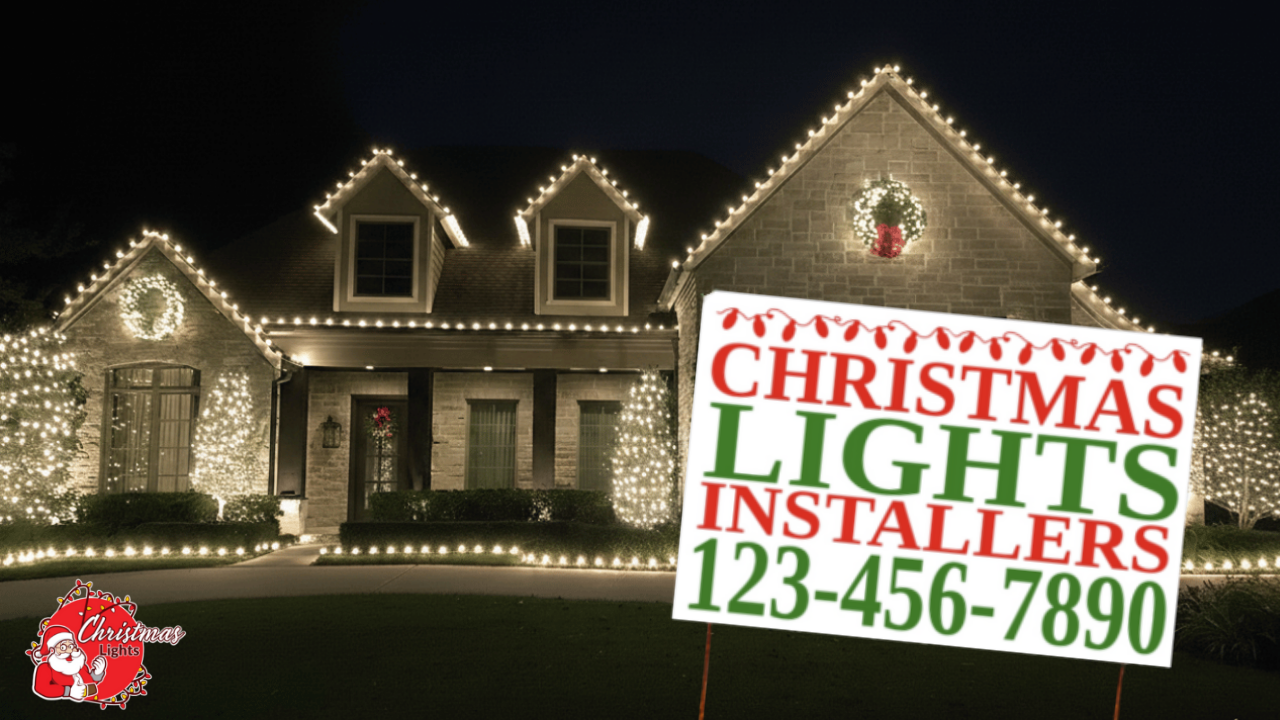
A sign says "Christmas light installation" and a phone number, in one color, white lettering on a red background.
Signs vs. Meta Ads
One installer put out 350 yard signs and ran $2,000 in Meta ads, and closed 16 jobs for about $35,000 gross. The average ticket is over $2,000. If the choice is another $1,000 in signs or more ads, the bet is that the signs brought in about twice as much as the ads. Put the money into more signs.
Meta ads have not worked well this year for several installers. Some paid $4,000 to $5,000 or $6,000 to $7,000 in Facebook ads and made about $2,000. One installer got a $1,000 job off $5,000 to $6,000 invested. One installer in a rural area gets about 40% of his business from yard signs, 30% from Facebook, 20% from word of mouth, and 10% from personal relationships. Because he is rural, signs stay in the county. Test everything, and put the most into what makes the most.
Answer the Phone
Answering the phone is the number one thing. Businesses are losing money by not answering. If you don't answer, the caller calls the next person.
One installer picked up a new client even though he was priced higher, because the client couldn't get the former company to answer the phone. Four clients had the same story this year. One company has a system where the phone rings three times, then transfers to another office person, then to a virtual assistant, then to another office.
If you're on a call with somebody else, hire someone to answer and put them on hold. If you put out 1,100 yard signs or spend $10,000 on marketing, pick up the phone.
Marketing Costs Money
New installers ask what a reasonable marketing budget is. It's not cheap to get leads. Do you want to grow a little or a lot? Are you willing to spend $10,000 to $15,000 to get to $100,000, or will you spend $5,000 and wonder why you only reach $30,000 or $40,000? A website costs money, a Google Business Profile costs money, SEO costs money, and Google Ads and Facebook ads cost money. So do buying and placing yard signs and paying people to put them out every week. Do you want a business or a hobby?
A New Installer in a Competitive Market
An installer who moved to central Florida did $69,000 in Christmas lights last year in a small town, and is at $20,000 this year despite more marketing. His close rate is about 25%, but he struggles to get enough quote appointments, and signs get pulled by the city. New-built subdivisions are good to market to, because those homeowners want to impress the neighborhood. The advice: check your ads, time your signs, and be "five-mile famous" on social media.
Hiring and Crews
Hire Another Crew Now
An installer who is fully booked at good prices asked whether to hire another crew now. The answer: yes. Find a roofer who is slow now and can be brought up to speed in three days. It's too early in the season to stop. The real lesson is that you should have raised your prices a long time ago, to $10, $12, or $15 a foot.
Get Off the Truck
The faster you get off the truck, the faster your business grows. It takes as long as you're hands-on. Don't hire someone with a lot of experience, because they're usually the worst. Hire someone hungry with a great attitude. A negative person is cancer in your business.
Pay for Performance
Pay by percentage or by the foot, so the faster crews work, the more they make. You can pay an hourly wage plus a percentage of anything over a set amount. One installer pays a two-man crew by performance. The head guy makes about $4,000 a week, and a helper makes about $1,800 a week, plus a $500 bonus each for not missing a day in October and $700 for not missing a day in November.
Product Notes
About 80 to 90% of customers want warm white. Installers like the KingPro bulb and the TUFF bulb. One installer asked whether warm white six-inch minis match the KingPro warm whites, and they do. One installer introduced a new color called Frozen, a teal blue and cool white that looks like ice. If the homeowner has little girls or granddaughters, it's a sale. A three-year contract is a common term.
Christmas Lights HQ carries kits and everything you need, ships fast, and answers the phone when you have an issue. About 75% of orders arrive within two to three days, and about 78% ship the same day. For bulbs and clips, shop Christmas Lights HQ.
Is It Too Late to Start?
No. Start this year and get four, five, or ten jobs, and next year you'll have a head start. People who started in December made $5,000 to $10,000, and the next year made $100,000 to $200,000 because they figured out what worked. Business typically drops off around December 5 to December 10.
These Two Weeks Matter Most
This week and next week are the two busiest weeks of the Christmas light season, because everybody wants their lights up before Thanksgiving. You'll get some after that, but these are the go weeks. Put out all the yard signs, and put everything you have into it.
Stay Safe
People have been falling off roofs, and some have fallen off stepladders. Take your time and use the right equipment. It might cost you, but it's cheaper than a hospital bill.
For more training, visit ChristmasLights.io or the online class.

Can I really get $8 a foot in my area?
It depends on belief and where you work. If you don't believe it, you won't get it. Look for high-dollar pockets, often on the north or northeast side of a city. Learn more at ChristmasLights.io.
What should I say instead of talking about bulbs?
Talk about the problem you solve: "We make your home look amazing." Ask what their parents did to decorate for Christmas and tell them your goal is for their kids to have those memories.
Is it better to have 100 customers at $2,000 or 200 at $1,000?
100 customers at about $2,000 is a lot less work.
What pictures should I post on my website?
Post the $2,000, $3,000, and $5,000 installs, because those are the customers you want.

What should I do if my yard signs get pulled?
Put them out Saturday morning, try busier intersections, hospital parking and the higher-end part of town, and keep putting them out in many places.
Are yard signs better than Meta ads?
For some installers, yes. One installer would bet that his $1,000 in signs brought in about twice as much as his $2,000 in ads. Test and track your results.
How important is answering the phone?
It's the number one thing. If you don't answer, the caller calls the next person.
Should I hire another crew when I'm booked?
Yes. Find a roofer who is slow now and can be up to speed in about three days, and raise prices.
How should I pay crews?
Pay for performance, with a percentage or per-foot pay so faster crews earn more. Hire hungry people with a great attitude.
What colors do most customers want?
About 80 to 90% want warm white. Find lights and kits at Christmas Lights HQ.
Copyright ©2026 All Right Reserved website designed by christmaslights.io
Terms of Service / Privacy Policy
Have questions or need assistance?
Contact us at (855)619-LITE