

Wholesale Pricing Presale Christmas Lights Clips
Pre-Season Wholesale C9 Best Clips
As Low As $0.14 per Clip
Elevate your Christmas light installations with the C9 Best Clip, the industry’s top choice for professional holiday decorators. Designed by a professional installer specifically for other installers, this nearly unbreakable clip is crafted to withstand the rigors of outdoor use season after season. Whether you're working on gutters, drip edges, or even shingles, the C9 Best Clip is the versatile, durable solution that makes your job easier and keeps costs down over the years.
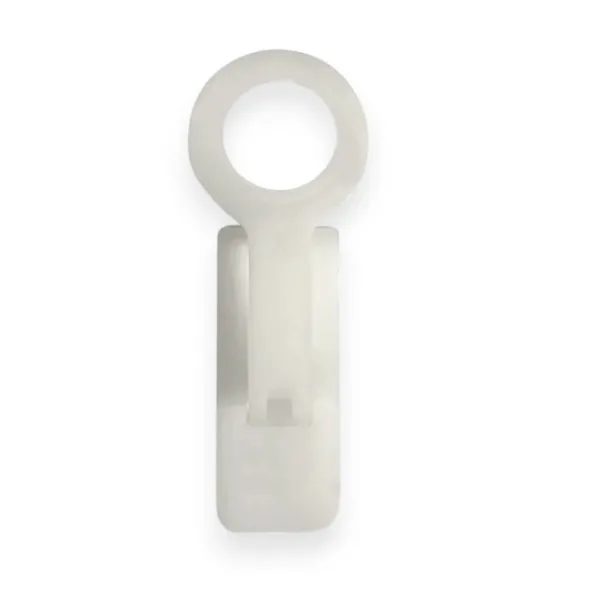
Colors Available:
White
Brown
Quantities Available:
1000/case
2000/case
Key Features:
Heavy-Duty Construction: Built from nearly unbreakable materials, the C9 Best Clip is designed to endure harsh weather conditions, ensuring reliable performance year after year.
Installer-Approved Design: Created by a professional Christmas light installer, this clip is engineered to meet the demands of the job, making installations faster and more efficient.
Versatile Use: The C9 Best Clip is perfect for securing lights along gutters, drip edges, and, in some cases, shingles, providing flexibility for a wide range of installation scenarios.
Cost-Effective: Reusable and durable, the C9 Best Clip is a cost-effective choice for professional installers, reducing the need for frequent replacements and lowering overall installation costs.
Recommended by Professionals: Trusted and recommended by expert Christmas light installers, the C9 Best Clip is the go-to solution for securing C9 bulbs and other holiday lighting elements.
Pre-Season Wholesale Best Shingle Tab Clips
As Low As $0.12 per Clip
Upgrade your Christmas light installations with the Durable Shingle Tab, designed to outlast and outperform standard shingle tabs. Made from highly durable plastic, this shingle tab provides a longer-lasting, more secure hold for both C7 and C9 sockets, ensuring your holiday lights stay perfectly in place. Whether you're installing lights on shingles, gutters, or decks, this versatile tab is the perfect Christmas light accessory.
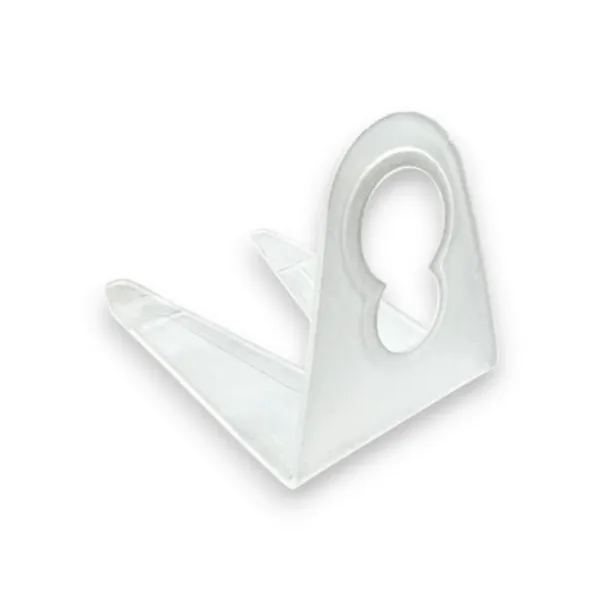
Colors Available:
White
Quantities Available:
1000/case
Key Features:
Very Durable Plastic: Constructed from premium, long-lasting plastic, this shingle tab is built to endure harsh weather conditions, providing years of reliable use—far exceeding the lifespan of standard shingle tabs.
Superior Socket Hold: Specifically designed to hold C7 and C9 sockets more securely than regular shingle tabs, ensuring your lights remain in place throughout the holiday season.
Easy Installation: The tab's design allows it to slide easily under shingles, making installation quicker and less frustrating than with other shingle tabs.
Versatile Use: Perfect for use on shingles, gutters, and decks. Simply wedge the legs within available spaces to secure the tab, or use it in conjunction with a parapet clip on flat surfaces for added stability.
Compatible with Parapet Clip: For flat surfaces, pair this shingle tab with a parapet clip to achieve a secure, professional-grade installation. It’s the perfect accessory for any Christmas light display.
Pre-Season Wholesale C9/C7 Best Enclosed Ridge Clips 500/Case
As Low As $0.40 per Clip
The Best Enclosed Ridge Clip is designed for professional holiday lighting installations, offering unbeatable security, durability, and versatility. Made from high-quality, durable plastic, this clip features an enclosed design that ensures it will never detach from the light strand, providing confidence that your lights will stay firmly in place. Its extended length accommodates any ridge shingle without causing damage, making it perfect for worry-free installations. Plus, it’s compatible with both C9 and C7 bulbs, adding even more flexibility to your setup.
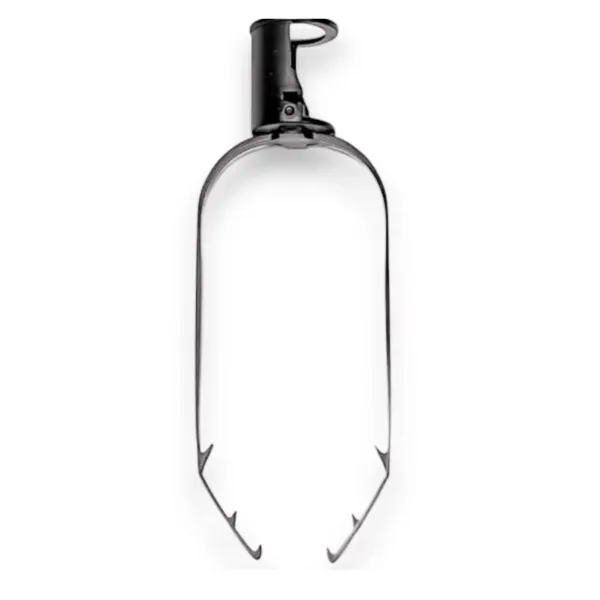
Colors Available:
Black
Quantities Available:
500/case
Key Features:
Durable Plastic Construction: Crafted from robust, high-grade plastic, these clips are built to endure tough weather conditions, ensuring long-lasting use season after season.
Enclosed Design: The unique enclosed structure securely locks onto the light strand, preventing the clip from slipping or detaching, even in windy or adverse weather.
Extended Length for Versatility: The longer design ensures a secure fit on any ridge shingle without causing damage, offering compatibility with various roof types.
Works with C9 and C7 Bulbs: Specifically designed to hold both C9 and C7 light strands, providing versatility and ease of use for different bulb sizes.
Easy Installation: Simplifies setup with quick, hassle-free application, saving time while delivering a clean, professional look.
Pre-Season Wholesale C9 Tuff Wedge Clip 800/Case
As Low As $0.16 per Clip
The Tuff Wedge Clip is the go-to choice for professional installers who need a fast and reliable way to secure C9 bulbs on holiday displays. Designed with convenience in mind, this versatile clip easily flexes over pre-installed bulbs, making it ideal for quick installations on socket wire lines. The Tuff Wedge Clip ensures a secure and polished look for your light displays, helping you create visually stunning installations with minimal effort.
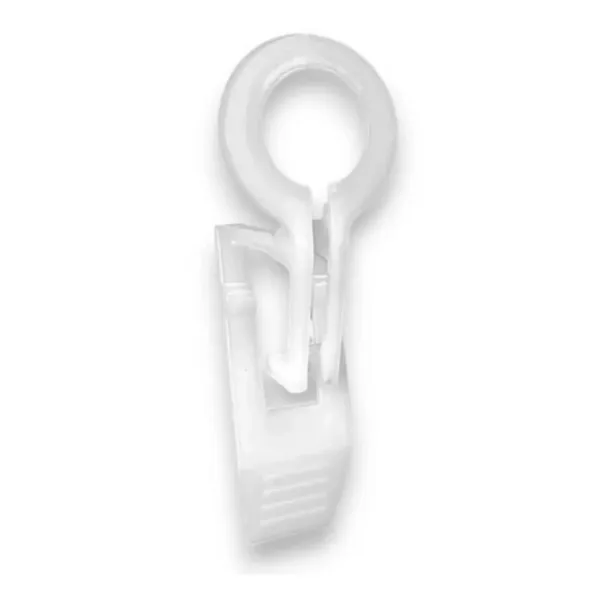
Colors Available:
White
Quantities Available:
800/case
Key Features:
Flexes Over Pre-Installed Bulbs: The Tuff Wedge Clip features a unique flexible design that allows it to snap directly over C9 bulbs already mounted on socket wire lines. This saves time and eliminates the need for removing or adjusting bulbs, making the installation process faster and more efficient.
Sturdy, Weather-Resistant Construction: Built from high-quality, UV-stabilized plastic, the Tuff Wedge Clip is engineered to resist harsh outdoor conditions, such as wind, rain, and snow. Its durable design prevents cracking and wear, ensuring long-lasting performance for both residential and commercial applications.
Ideal for Multiple Surfaces: Whether you’re working with shingles, gutters, or drip edges, the Tuff Wedge Clip provides a firm and secure grip on various surfaces, keeping lights in place without sagging or shifting.
Streamlined Installation: With the ability to clip directly over pre-installed bulbs, the Tuff Wedge Clip reduces installation time and simplifies the process, allowing for rapid and professional-looking displays that stand out during the holiday season.
Clean and Professional Finish: The Tuff Wedge Clip ensures that your C9 bulbs are perfectly aligned, giving your holiday light displays a clean, polished, and symmetrical appearance that will impress clients and onlookers alike.
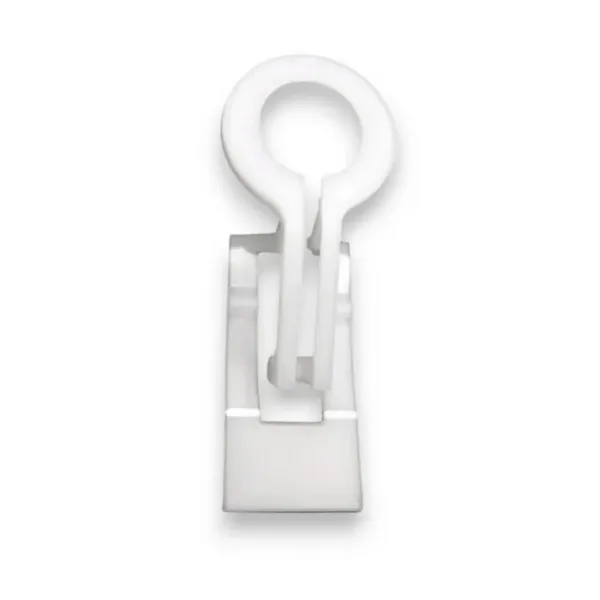
Pre-Season Wholesale C9 Tuff Flex Clip 800/Case
As Low As $0.16 per Clip
The Tuff Flex Clip is the perfect solution for professional installers seeking a versatile and efficient way to secure C9 bulbs on their holiday displays. Specifically designed to work with pre-installed bulbs on socket wire lines, this innovative clip offers both convenience and flexibility, making installations smoother and faster. The Tuff Flex Clip provides a strong and secure hold while allowing for easy adjustments, ensuring that your lights remain perfectly aligned throughout the season.
Colors Available:
White
Quantities Available:
800/case
Key Features:
Flexes Over Pre-Installed Bulbs: The Tuff Flex Clip’s unique design allows it to clip directly over C9 bulbs already installed on socket wire lines. This feature makes it ideal for installers looking to streamline the installation process and reduce setup time without compromising quality.
Strong and Durable Construction: Made from high-quality, weather-resistant materials, the Tuff Flex Clip is built to withstand extreme outdoor conditions, including wind, rain, and snow, ensuring that your light displays stay securely in place all season long.
Secure and Professional Hold: The Tuff Flex Clip’s sturdy grip ensures that bulbs remain firmly attached, even on challenging surfaces like gutters, shingles, and drip edges. Its reliable hold prevents shifting or sagging, giving your holiday display a clean and professional appearance.
Ease of Use and Versatility: With the ability to clip over pre-installed bulbs, the Tuff Flex Clip offers unmatched convenience. Installers can quickly secure lights without removing or adjusting bulbs, making it an ideal choice for both residential and commercial installations.
Frequently Asked Questions
What surfaces are the clips compatible with?
Our clips are versatile and can be used on gutters, shingles, drip edges, and even flat surfaces when paired with parapet clips, making them suitable for various installations.
Are the clips durable for outdoor use?
Yes, all our clips are made from heavy-duty, weather-resistant plastic, ensuring they withstand harsh outdoor conditions like wind, rain, and snow.
What bulb types are the clips compatible with?
Most of our clips, including C9 Best Clips and Shingle Tab Clips, are compatible with both C7 and C9 bulbs, offering flexibility for different lighting setups.
How do Tuff Wedge and Tuff Flex Clips simplify installation?
These clips are designed to flex over pre-installed bulbs, allowing you to quickly and securely attach lights without removing or adjusting bulbs, saving time and effort.
What quantities and colors are the clips available in?
Our clips are available in quantities ranging from 500 to 2000 per case and come in colors like white, brown, and black, giving you options to suit your project needs.
Discover Expert Tips on Our Blog

How to Go From $50K to $500K Christmas Lights
November brings snow, cold weather, and the critical window when Christmas lights businesses generate the majority of their annual revenue. For installers who've completed their first season generating $50,000-$100,000, the question becomes: how do you 10x that revenue to reach $500,000 or even a million dollars? The answer isn't working harder or installing more lights yourself—it's understanding the mathematics of scaling, implementing systems, and making strategic investments that multiply results.
This comprehensive guide reveals the exact frameworks successful installers use to scale from modest side hustles to legitimate six-figure and seven-figure businesses. These aren't theories—they're proven strategies that have helped installers go from broke garbage collectors to million-dollar business owners in under five years.
The Mathematics of Scaling: Why Average Ticket Determines Everything
Before discussing marketing strategies or hiring practices, understand the fundamental mathematics that determines whether scaling is possible. The equation is simple: Total Revenue = Number of Jobs × Average Ticket Price × Close Rate
The $50,000 Scenario at $1,000 Average Ticket
To generate $50,000 at $1,000 average ticket with a 20% close rate:
You need 50 completed jobs
At 20% close rate, that requires 250 leads
One crew can handle 50-75 jobs comfortably in a season
This is achievable for most installers. One crew, manageable lead flow, reasonable workload.
The $500,000 Challenge at $1,000 Average Ticket
Now scale to $500,000 at the same $1,000 average ticket:
You need 500 completed jobs
At 20% close rate, that requires 2,500 leads
That requires 6-8 crews working simultaneously
Managing 2,500 leads means sophisticated CRM systems, multiple salespeople, and complex logistics
The operational complexity becomes overwhelming. You're not running a Christmas lights business—you're running a logistics operation that happens to install lights.
The $500,000 Reality at $2,000 Average Ticket
Now calculate $500,000 at $2,000 average ticket:
You need 250 completed jobs
At 20% close rate, that requires 1,250 leads
That requires 2-3 crews maximum
One owner-operator handling sales can manage 1,250 leads with proper systems
This is why average ticket is everything. Doubling your average ticket doesn't just double revenue—it cuts operational complexity in half while maintaining the same revenue target.
One successful installer does over $1 million annually with 2-3 crews because he maintains $3,000-$4,000 average tickets. Another installer doing the same revenue runs 10-11 crews at $1,000 average tickets. Same revenue, vastly different stress levels and operational complexity.

Breaking the Average Ticket Ceiling: From $1,000 to $2,000+
Most installers plateau at $800-$1,200 average tickets because they quote only what customers explicitly request. When someone asks for "Christmas lights on my house," they quote the front roofline—period.
The Comprehensive Quoting Methodology
Present every property with a complete vision:
Front Roofline (Basic): Gutters and peaks facing the street - $800-$1,200
Ridge Lines and Architectural Details: Add peaks, hips, and ridge caps - Additional $400-$800
Ground Stake Pathway Lighting: Line walkways from sidewalk to entrance - Additional $300-$500
Tree Wrapping: Price at $30-$60 per foot of tree height. A 15-foot tree is $450-$900. Most properties have 2-3 wrappable trees.
Columns and Posts: $100-$600 per column depending on height
Wreaths: 48-inch wreaths at $200-$450, 60-inch wreaths at $350-$800
Garland: $180-$250 per 9-foot section, with most doors requiring 2-3 sections ($500-$750)
When you present all options, customers frequently select $2,500-$4,000 packages. When you present only rooflines, they select $1,000 packages. You cannot buy what isn't offered.
The Psychological Barrier
Many installers experience physical discomfort sending $4,000 quotes. The internal dialogue runs: "I would never pay $4,000 for Christmas lights. They'll think I'm crazy. I can't send this."
This reveals the fundamental problem: you're projecting your financial situation onto customers living in $750,000-$1,500,000 homes.
Consider the typical premium customer profile:
Mortgage payment: $8,000-$10,000 monthly
Vehicle payments: $2,000+ monthly for two vehicles
Starbucks habit: $300+ monthly ($3,600 annually—just on coffee)
Designer purchases: $5,000-$10,000 purses and shoes
These customers don't think like you. They're not shopping for the cheapest option—they're seeking the best experience, most reliable service, and least hassle. When presented properly, $3,000-$4,000 for professional holiday lighting is a minor expense that creates priceless family memories.
One installer's customer filmed her family's reaction pulling into the driveway after installation. The kids screamed with excitement, the parents cried with joy—that moment was worth $10,000 to that family, not just the $4,000 they paid. That's the magic you're selling, not bulbs and clips.
The Lead Generation Imperative: Marketing Math That Scales
The secret to scaling isn't installation skill or crew efficiency—it's lead generation. You can be the world's best installer, but if your phone doesn't ring, your skill is worthless.
Investment Requirements by Revenue Target
$50,000 Revenue Target: Invest $5,000 in marketing (10% of revenue) $100,000 Revenue Target: Invest $10,000 in marketing $500,000 Revenue Target: Invest $50,000 in marketing $1,000,000 Revenue Target: Invest $100,000 in marketing
One successful pressure washing business owner was a garbage collector four years ago. Last year he generated over $1 million in revenue—by investing $100,000 in marketing. That wasn't an expense; it was an investment that returned 10x.
The Time vs. Money Trade-Off
You have two paths to generate leads:
Option 1: Time Investment (Zero Budget)
Create 2-5 social media videos daily
Post 10-15 times daily across platforms (Facebook, Instagram, TikTok)
Knock 100+ doors weekly in target neighborhoods
Deploy 100-200 yard signs weekly
Engage in local Facebook groups constantly
This approach works—multiple installers generate $500,000+ annually with zero advertising budget. But it requires treating content creation and community engagement as a full-time job.
Option 2: Financial Investment
Facebook advertising: $15-$30 per lead
Google advertising: $20-$50 per lead
Professional SEO and web development
Direct mail campaigns
Professional photography and videography
Most successful scaled businesses use a hybrid approach: consistent organic content creation supplemented by strategic paid advertising during peak season.
The Lead Generation Reality Check
To generate 1,250 leads (the requirement for $500,000 at $2,000 average ticket and 20% close rate), you must implement multiple channels simultaneously:
Yard Signs: 500-800 signs deployed throughout the season
Social Media: Daily posting and engagement across all platforms
Paid Advertising: $200-$500 daily budget during November-December
Google Business Profile: Daily posts, systematic review collection, immediate response to all reviews
Website SEO: Professional site optimized for local search
Referral Systems: Incentivized referrals from existing customers
One installer posted over 105,000 views on Facebook in 28 days by taking action consistently. That translates to dozens of inbound leads without spending a dollar on advertising.
Hiring and Scaling Operations: Building Systems That Work
At $50,000 revenue, you can operate solo or with one helper. At $500,000, you need systems and teams.
Crew Requirements by Revenue
$50,000-$100,000: 1 crew (owner + 1 helper or owner solo) $100,000-$250,000: 1-2 crews (2-4 people) $250,000-$500,000: 2-3 crews (4-6 people) $500,000-$1,000,000: 3-5 crews (6-10 people)
The right number depends heavily on average ticket. Higher average tickets require fewer crews for the same revenue.
The Hiring Philosophy
Most installers blame employees when retention fails. "I went through 20 people last season—nobody wants to work."
If you've terminated 20 employees, the problem isn't the employees—it's you. Self-evaluate:
Are you a good leader? Do you provide clear direction, consistent feedback, and genuine appreciation?
Do you have systems? Checklists, processes, quality standards, and training programs?
Do you pay fairly? Not necessarily the highest wages, but competitive with transparent performance incentives?
Do you treat people humanely? Respect, dignity, and understanding that employees have lives outside work?
Remember: employees will perform at 80% of your standard. If you cut corners, skip steps, or tolerate subpar work, they'll operate at 60-70% of your already-compromised standard. Excellence starts with leadership.
Finding Quality Crew Members
Target Roofers: They're already comfortable on roofs, understand fall risks, and possess the physical capability required. Your job ads should explicitly state: "Experience working on roofs required. Outdoor work in all weather conditions."
Hire Attitude Over Experience: A person with no Christmas lights experience but excellent attitude, reliability, and work ethic is infinitely more valuable than someone with years of experience and a terrible attitude. Skills can be taught; character cannot.
Implement Systematic Training: Create checklists for every installation phase. Film training videos showing proper techniques. Conduct in-field training with direct supervision initially, gradually releasing autonomy as competence increases.
The Investment Mindset: Spending to Scale
The #1 mistake installers make when attempting to scale: refusing to invest money in growth.
The SEO Scam Story
One installer paid a "web expert" $4,000 in 2014 for a website that would "make the phone ring off the hook." Six months later—zero results. The website generated no traffic, no leads, no revenue.
This pattern repeats constantly. Installers get burned by scam artists promising results they can't deliver, then refuse to invest in legitimate marketing ever again.
Another installer recently paid a company $1,700 monthly for six months ($10,200 total) for a website he doesn't even own at contract end. He's generated one driveway cleaning job from it.
The Right Way to Invest
Yard Signs: Highest ROI marketing available. $300-$500 investment in 100 signs can generate $50,000-$100,000 in revenue from a single well-placed sign generating 10-20 jobs.
Professional Photography: $500-$1,000 investment in professional installation photos elevates all marketing materials, increases conversion rates, and justifies premium pricing.
CRM Systems: Jobber, Tinsel, or similar platforms ($50-$400 monthly) systematize operations, ensure follow-up, and prevent leads from falling through cracks.
Safety Equipment: Cougar Paws ($200), pitch hoppers ($130), ladder stabilizers ($50), proper harnesses—these aren't expenses, they're life-saving investments. One prevented fall pays for all safety equipment a hundred times over.
Marketing Budget: Commit to 10% of revenue target. If you want $500,000 revenue, allocate $50,000 for marketing. This isn't discretionary—it's mandatory for scale.

The Urgency of November: Peak Season Strategy
The conversation about scaling typically happens in November for a reason: the next 3-4 weeks generate 60-80% of annual revenue for most Christmas lights businesses.
The Critical Window
Week 1 (Early November): Snow and cold weather trigger Christmas mindset. Phones begin ringing consistently.
Week 2-3 (Mid-November): Peak lead generation. Deploy maximum yard sign inventory, run highest advertising budgets, post maximum social content.
Thanksgiving Week: One day off (Thanksgiving), but leads continue flowing before and after.
Week 4 (Post-Thanksgiving to December 10th): Final installation push. After December 10th, demand drops precipitously.
If your phone isn't ringing during this window, you've failed at marketing. This isn't the time to "wait and see if it picks up"—it's the time to panic and implement emergency lead generation tactics.
Emergency Lead Generation Tactics
Deploy Every Yard Sign Immediately: Don't save signs for December—they won't matter then. Deploy your entire inventory by mid-November.
Post 10-15 Times Daily: Overwhelming social media presence during peak season. People need to see your work everywhere.
Knock 100+ Doors Weekly: Physical presence in target neighborhoods generates immediate quotes and creates word-of-mouth momentum.
Answer Every Lead Within 60 Minutes: Speed-to-lead determines conversion more than any other factor. Leads contacting multiple installers book with whoever responds first with a professional quote.
Follow Up Aggressively: Contact outstanding quotes daily. November leads go cold in 48-72 hours if not followed up systematically.

How long does it realistically take to scale from $50,000 to $500,000?
Most installers following proven systems achieve this in 2-4 years. First year generates $50,000-$100,000 establishing reputation and systems. Second year reaches $150,000-$250,000 with refined processes and stronger marketing. Third year breaks $300,000-$500,000 with established brand recognition and systematic operations. Aggressive operators can compress this timeline, but expecting it in one season is unrealistic unless you have significant capital for massive marketing investment.
What's the single most important metric to track for scaling?
Average ticket price determines everything else. Track it weekly by dividing total revenue by completed jobs. If it's below $1,500, you're quoting inadequately and making scaling nearly impossible. Above $2,000, scaling becomes mathematically achievable with reasonable lead flow and operational efficiency.
Should I hire before I have enough work to keep them busy?
No. Hiring ahead of demand creates financial stress and forces acceptance of unprofitable jobs to "keep crews busy." Build lead generation systems first, then hire when you're consistently turning down work or working unsustainably long hours. The correct hiring trigger: you're personally working 60+ hours weekly and still can't complete all sold jobs within customer timelines.
How do I get 2,500 leads needed for $500,000 at $1,000 average ticket?
You probably can't sustainably, which is why that model fails. At $2,000 average ticket requiring 1,250 leads, the strategy becomes: deploy 500+ yard signs throughout season, run $5,000+ monthly advertising budget during peak season, post 5-10 times daily on social media, maintain 50+ five-star reviews, optimize website for local SEO, and implement systematic referral requests. This generates 100-150 leads monthly during peak season.
What percentage of revenue should I invest in marketing?
Minimum 10% of your revenue target. If you want $500,000 revenue, allocate $50,000 for marketing. Many successful operators invest 15-20% during growth phases. This includes paid advertising, yard signs, website development, professional photography, CRM systems, and all lead generation activities. Refusing to invest guarantees you'll stay stuck at current revenue levels.
Is it better to hire experienced installers or train inexperienced ones?
Train inexperienced people with great attitudes. Experienced installers often bring bad habits, resist your systems, and demand premium wages based on experience that may not align with your quality standards. Someone with roofing experience, excellent attitude, and strong work ethic becomes productive within 2-3 installations with proper training. Create training videos, detailed checklists, and supervised initial installations to accelerate competency development.
How do I overcome fear of sending $3,000-$4,000 quotes?
Remember you're not selling to people like you—you're selling to affluent customers with completely different financial perspectives. Their monthly mortgage exceeds what you're charging for the entire season. They spend more annually on coffee than your installation costs. The discomfort you feel sending premium quotes is your limiting belief, not market reality. Test it: send 10 comprehensive $3,000+ quotes and track results. You'll discover customers accept premium pricing when presented with clear value.
What's the fastest way to increase average ticket from $1,000 to $2,000?
Quote everything on every property—never send a quote with only the front roofline. Include ridge lines, ground stakes, trees, columns, wreaths, and garland on every single quote as options customers can select or decline. This single change typically increases average ticket 30-50% immediately as customers self-select add-ons you weren't previously offering. Use professional mockup software (Holiday Home Concepts, Canva, or similar) to visualize the complete installation.
Should I focus on residential or commercial accounts for scaling?
Residential provides more consistent volume with less seasonality in decision-making. Commercial accounts (HOA entrances, shopping centers, churches) offer larger individual projects but fewer total opportunities and longer sales cycles. Most successful $500,000+ businesses are 70-80% residential with strategic commercial accounts supplementing revenue. Commercial should be pursued opportunistically, not as primary growth strategy.
What's the biggest mistake installers make when trying to scale?
Refusing to invest in marketing while expecting revenue to magically increase. Installers want to scale from $50,000 to $500,000 while maintaining the same $500 annual marketing budget that generated their current revenue. Scale requires proportional marketing investment—there's no way around it. The second biggest mistake: keeping average ticket at $1,000 while trying to scale, which creates operational complexity that makes $500,000 nearly impossible to achieve profitably.
Scaling from $50,000 to $500,000 isn't mysterious—it's mathematical. Increase average ticket to $2,000+ through comprehensive quoting. Generate 1,250+ leads annually through systematic marketing investment. Build 2-3 excellent crews through proper hiring, training, and leadership. Implement CRM systems that ensure no lead falls through cracks.
The installers generating $500,000-$1,000,000+ annually aren't special—they simply understand the mathematics of scaling and execute consistently. They quote comprehensively, invest proportionally in marketing, build systems that work without them, and maintain premium pricing that justifies the operational complexity.
You're in the peak season window right now. The next 3-4 weeks determine whether you hit your annual revenue target or fall short. Answer every lead within 60 minutes. Send comprehensive quotes immediately. Follow up relentlessly. Deploy every yard sign you own.
The math works if you execute the systems. Now go take action and make it happen.

Copyright ©2026 All Right Reserved website designed by christmaslights.io
Terms of Service / Privacy Policy
Have questions or need assistance?
Contact us at (855)619-LITE