

Wholesale Pricing Presale Christmas Lights Clips
Pre-Season Wholesale C9 Best Clips
As Low As $0.14 per Clip
Elevate your Christmas light installations with the C9 Best Clip, the industry’s top choice for professional holiday decorators. Designed by a professional installer specifically for other installers, this nearly unbreakable clip is crafted to withstand the rigors of outdoor use season after season. Whether you're working on gutters, drip edges, or even shingles, the C9 Best Clip is the versatile, durable solution that makes your job easier and keeps costs down over the years.
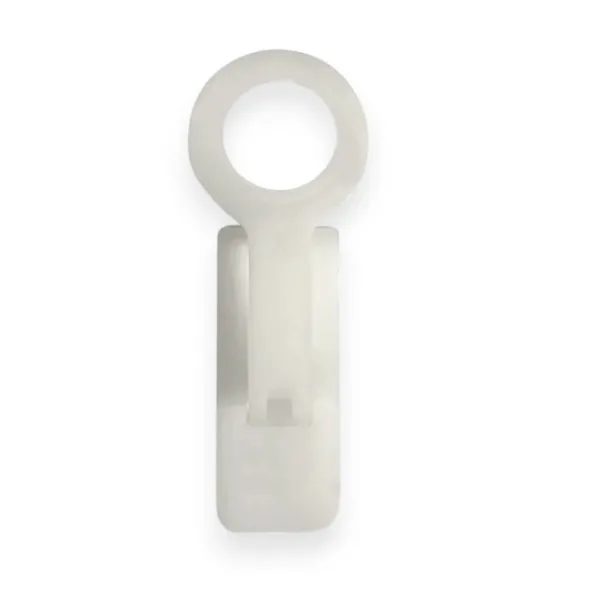
Colors Available:
White
Brown
Quantities Available:
1000/case
2000/case
Key Features:
Heavy-Duty Construction: Built from nearly unbreakable materials, the C9 Best Clip is designed to endure harsh weather conditions, ensuring reliable performance year after year.
Installer-Approved Design: Created by a professional Christmas light installer, this clip is engineered to meet the demands of the job, making installations faster and more efficient.
Versatile Use: The C9 Best Clip is perfect for securing lights along gutters, drip edges, and, in some cases, shingles, providing flexibility for a wide range of installation scenarios.
Cost-Effective: Reusable and durable, the C9 Best Clip is a cost-effective choice for professional installers, reducing the need for frequent replacements and lowering overall installation costs.
Recommended by Professionals: Trusted and recommended by expert Christmas light installers, the C9 Best Clip is the go-to solution for securing C9 bulbs and other holiday lighting elements.
Pre-Season Wholesale Best Shingle Tab Clips
As Low As $0.12 per Clip
Upgrade your Christmas light installations with the Durable Shingle Tab, designed to outlast and outperform standard shingle tabs. Made from highly durable plastic, this shingle tab provides a longer-lasting, more secure hold for both C7 and C9 sockets, ensuring your holiday lights stay perfectly in place. Whether you're installing lights on shingles, gutters, or decks, this versatile tab is the perfect Christmas light accessory.
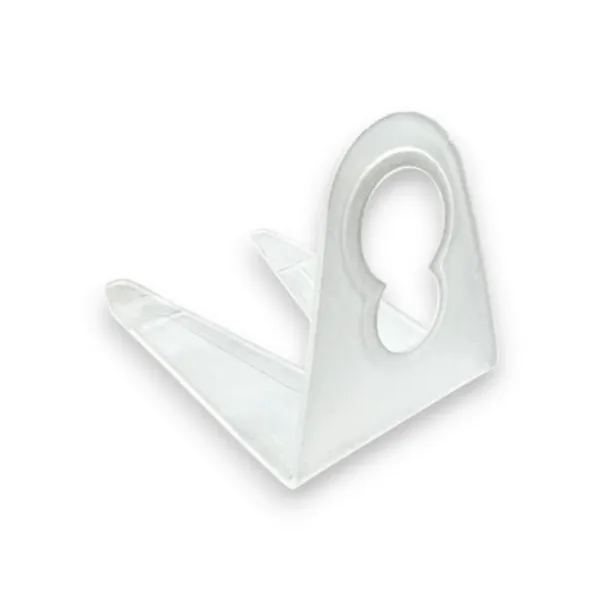
Colors Available:
White
Quantities Available:
1000/case
Key Features:
Very Durable Plastic: Constructed from premium, long-lasting plastic, this shingle tab is built to endure harsh weather conditions, providing years of reliable use—far exceeding the lifespan of standard shingle tabs.
Superior Socket Hold: Specifically designed to hold C7 and C9 sockets more securely than regular shingle tabs, ensuring your lights remain in place throughout the holiday season.
Easy Installation: The tab's design allows it to slide easily under shingles, making installation quicker and less frustrating than with other shingle tabs.
Versatile Use: Perfect for use on shingles, gutters, and decks. Simply wedge the legs within available spaces to secure the tab, or use it in conjunction with a parapet clip on flat surfaces for added stability.
Compatible with Parapet Clip: For flat surfaces, pair this shingle tab with a parapet clip to achieve a secure, professional-grade installation. It’s the perfect accessory for any Christmas light display.
Pre-Season Wholesale C9/C7 Best Enclosed Ridge Clips 500/Case
As Low As $0.40 per Clip
The Best Enclosed Ridge Clip is designed for professional holiday lighting installations, offering unbeatable security, durability, and versatility. Made from high-quality, durable plastic, this clip features an enclosed design that ensures it will never detach from the light strand, providing confidence that your lights will stay firmly in place. Its extended length accommodates any ridge shingle without causing damage, making it perfect for worry-free installations. Plus, it’s compatible with both C9 and C7 bulbs, adding even more flexibility to your setup.
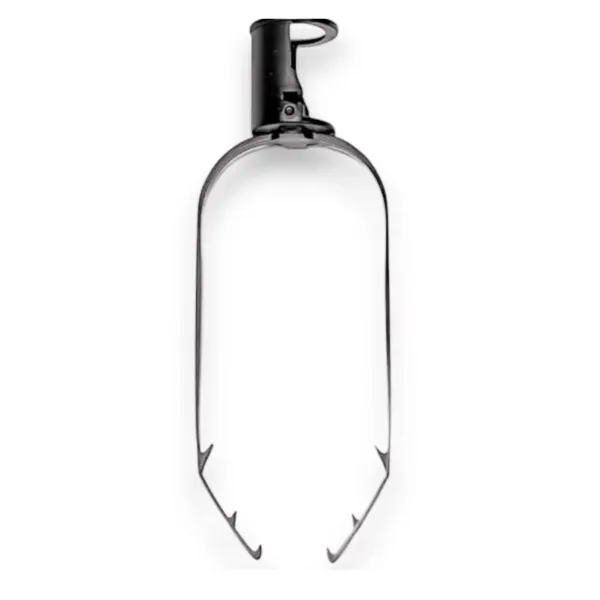
Colors Available:
Black
Quantities Available:
500/case
Key Features:
Durable Plastic Construction: Crafted from robust, high-grade plastic, these clips are built to endure tough weather conditions, ensuring long-lasting use season after season.
Enclosed Design: The unique enclosed structure securely locks onto the light strand, preventing the clip from slipping or detaching, even in windy or adverse weather.
Extended Length for Versatility: The longer design ensures a secure fit on any ridge shingle without causing damage, offering compatibility with various roof types.
Works with C9 and C7 Bulbs: Specifically designed to hold both C9 and C7 light strands, providing versatility and ease of use for different bulb sizes.
Easy Installation: Simplifies setup with quick, hassle-free application, saving time while delivering a clean, professional look.
Pre-Season Wholesale C9 Tuff Wedge Clip 800/Case
As Low As $0.16 per Clip
The Tuff Wedge Clip is the go-to choice for professional installers who need a fast and reliable way to secure C9 bulbs on holiday displays. Designed with convenience in mind, this versatile clip easily flexes over pre-installed bulbs, making it ideal for quick installations on socket wire lines. The Tuff Wedge Clip ensures a secure and polished look for your light displays, helping you create visually stunning installations with minimal effort.
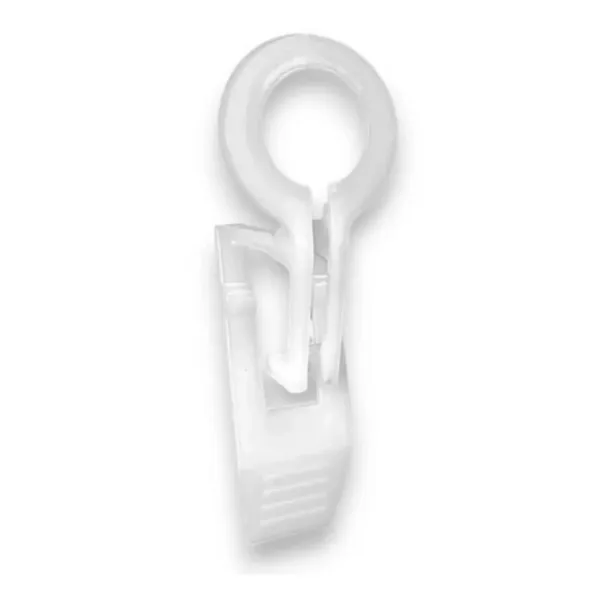
Colors Available:
White
Quantities Available:
800/case
Key Features:
Flexes Over Pre-Installed Bulbs: The Tuff Wedge Clip features a unique flexible design that allows it to snap directly over C9 bulbs already mounted on socket wire lines. This saves time and eliminates the need for removing or adjusting bulbs, making the installation process faster and more efficient.
Sturdy, Weather-Resistant Construction: Built from high-quality, UV-stabilized plastic, the Tuff Wedge Clip is engineered to resist harsh outdoor conditions, such as wind, rain, and snow. Its durable design prevents cracking and wear, ensuring long-lasting performance for both residential and commercial applications.
Ideal for Multiple Surfaces: Whether you’re working with shingles, gutters, or drip edges, the Tuff Wedge Clip provides a firm and secure grip on various surfaces, keeping lights in place without sagging or shifting.
Streamlined Installation: With the ability to clip directly over pre-installed bulbs, the Tuff Wedge Clip reduces installation time and simplifies the process, allowing for rapid and professional-looking displays that stand out during the holiday season.
Clean and Professional Finish: The Tuff Wedge Clip ensures that your C9 bulbs are perfectly aligned, giving your holiday light displays a clean, polished, and symmetrical appearance that will impress clients and onlookers alike.
Pre-Season Wholesale C9 Tuff Flex Clip 800/Case
As Low As $0.16 per Clip
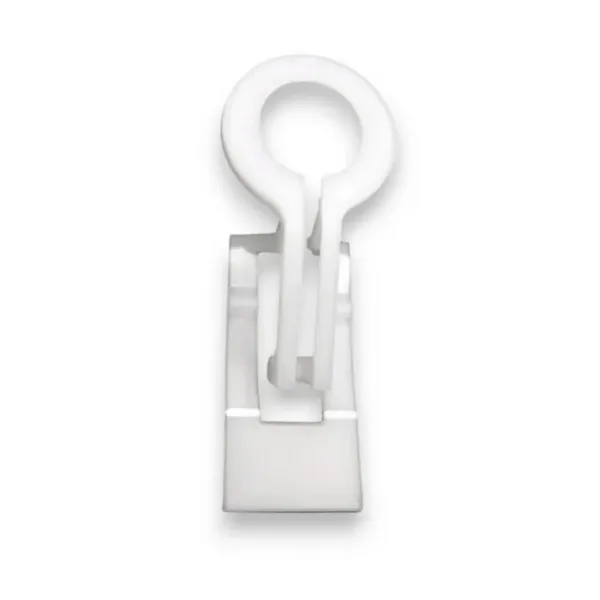
The Tuff Flex Clip is the perfect solution for professional installers seeking a versatile and efficient way to secure C9 bulbs on their holiday displays. Specifically designed to work with pre-installed bulbs on socket wire lines, this innovative clip offers both convenience and flexibility, making installations smoother and faster. The Tuff Flex Clip provides a strong and secure hold while allowing for easy adjustments, ensuring that your lights remain perfectly aligned throughout the season.
Colors Available:
White
Quantities Available:
800/case
Key Features:
Flexes Over Pre-Installed Bulbs: The Tuff Flex Clip’s unique design allows it to clip directly over C9 bulbs already installed on socket wire lines. This feature makes it ideal for installers looking to streamline the installation process and reduce setup time without compromising quality.
Strong and Durable Construction: Made from high-quality, weather-resistant materials, the Tuff Flex Clip is built to withstand extreme outdoor conditions, including wind, rain, and snow, ensuring that your light displays stay securely in place all season long.
Secure and Professional Hold: The Tuff Flex Clip’s sturdy grip ensures that bulbs remain firmly attached, even on challenging surfaces like gutters, shingles, and drip edges. Its reliable hold prevents shifting or sagging, giving your holiday display a clean and professional appearance.
Ease of Use and Versatility: With the ability to clip over pre-installed bulbs, the Tuff Flex Clip offers unmatched convenience. Installers can quickly secure lights without removing or adjusting bulbs, making it an ideal choice for both residential and commercial installations.
Frequently Asked Questions
What surfaces are the clips compatible with?
Our clips are versatile and can be used on gutters, shingles, drip edges, and even flat surfaces when paired with parapet clips, making them suitable for various installations.
Are the clips durable for outdoor use?
Yes, all our clips are made from heavy-duty, weather-resistant plastic, ensuring they withstand harsh outdoor conditions like wind, rain, and snow.
What bulb types are the clips compatible with?
Most of our clips, including C9 Best Clips and Shingle Tab Clips, are compatible with both C7 and C9 bulbs, offering flexibility for different lighting setups.
How do Tuff Wedge and Tuff Flex Clips simplify installation?
These clips are designed to flex over pre-installed bulbs, allowing you to quickly and securely attach lights without removing or adjusting bulbs, saving time and effort.
What quantities and colors are the clips available in?
Our clips are available in quantities ranging from 500 to 2000 per case and come in colors like white, brown, and black, giving you options to suit your project needs.
Discover Expert Tips on Our Blog

Christmas Light Business: Stop Waiting, Start Winning
The season has officially begun. Across the country, Christmas lights installers are closing jobs, completing installations, and generating significant revenue. Some are doing $10,000-$20,000 per day, while first-year installers are landing their initial contracts and experiencing the thrill of building a real business. The difference between those who succeed and those who stay stuck comes down to one critical factor: taking action versus waiting for perfect conditions.
Winners vs. Waiters: Which One Are You?
There are fundamentally two types of people in the Christmas lights business right now: winners and waiters. Understanding which category you fall into determines whether you'll build a thriving six-figure business or remain stuck making excuses.
The Waiter Mindset
Waiters use specific language patterns that reveal their thinking:
"I'm not ready yet"
"I hope things work out"
"Someday I'll start"
"I'm waiting for my logo to be perfect"
"I need everything in place first"
These phrases are excuses disguised as planning. Waiters believe they need perfect conditions before launching. They obsess over logos, website details, and equipment specifications while potential customers hire competitors who took action weeks ago.
Consider the cost of waiting. Every day spent perfecting minor details represents lost revenue. Those customers calling competitors today could have been your customers if you'd launched earlier with "good enough" systems rather than waiting for perfection.
The Winner Mindset
Winners operate differently. They:
Put out yard signs even if the design isn't perfect
Close jobs before they've personally installed a single light
Take messy action and learn from failures
Start before they feel ready
Focus on revenue-generating activities over administrative perfection
Winners understand that you can make things prettier later. You can refine systems, improve marketing materials, and upgrade equipment—but only if you're generating revenue. Perfection is the enemy of progress, and progress is what pays the bills.
Google's automated ranking systems are designed to present helpful, reliable information that's primarily created to benefit people, not to gain search engine rankings. Similarly, your business should focus on serving customers rather than achieving operational perfection that customers never see.

The Power of Networking in an AI-Driven World
As artificial intelligence becomes more sophisticated, one competitive advantage remains irreplaceable: genuine human relationships. The book "Never Eat Alone" provides a masterclass in networking that becomes increasingly valuable as AI commoditizes technical skills.
Why Networking Matters More Than Ever
With AI, anyone can create professional websites, generate marketing copy, and even produce convincing videos. Technical barriers that once protected established businesses are disappearing. In this environment, relationships become your most defensible competitive advantage.
Successful installers generate $150,000-$200,000 annually from commercial work—almost entirely through networking. These contracts don't come from yard signs or Facebook ads. They result from relationships built over months or years, where decision-makers trust you personally and recommend your services to colleagues.
One installer generated $1.8 million in pressure washing revenue last year, much of it originating from LinkedIn connections that evolved into networking relationships. Initial online contact led to coffee meetings, referrals to friends, and eventually major contracts that would never have come through traditional advertising.
Building a Network That Generates Revenue
Effective networking isn't about collecting business cards at Chamber of Commerce meetings. It's about genuine relationship building where you add value first. Consider these approaches:
LinkedIn for Commercial Opportunities: Many installers overlook LinkedIn, treating it as a resume platform rather than a business development tool. Posting relevant content about holiday lighting, engaging with local business posts, and reaching out to facility managers and property owners can generate $15,000-$20,000 single contracts.
Local Business Relationships: The landscaper with 28 crew members needs someone to handle holiday lighting for his clients. The property management company managing 50 HOAs needs a reliable installer. The event planner coordinating corporate functions needs lighting expertise. These relationships don't form through advertising—they develop through intentional networking.
Referral Partnerships: An irrigation repair business that slows during holidays can send leads your way. In exchange, you refer landscape lighting customers to them during peak season. These mutually beneficial arrangements multiply lead generation without additional marketing costs.
Pricing Confidence: Charging What You're Worth
The single biggest factor limiting installer income is pricing confidence. Many charge $3.50-$6.00 per foot when they could command $8.00-$14.00 or even $20.00 per foot. The barrier isn't market conditions—it's self-belief.
The $6 vs. $8 Per Foot Reality
Here's a truth that challenges conventional wisdom: if you can't sell jobs at $6 per foot, you probably won't sell them at $8 per foot either. Conversely, if customers will pay $6 per foot, they'll often pay $8 per foot when value is properly presented.
The difference isn't price—it's confidence and presentation. When you speak hesitantly, use filler words ("um," "uh," "like"), and focus on bulbs rather than benefits, customers sense uncertainty. They question whether you're truly professional and capable.
One installer raised prices from $3.50 to $7.00 per foot, fearing massive customer loss. Instead, closing rates remained steady. Customers willing to pay $3.50 were equally willing to pay $7.00 when the service was positioned as professional, hassle-free, and creating magical family memories.
Breaking Through the $6 Per Foot Myth
When installers insist "nobody in my area will pay more than $6 per foot," they're revealing limiting beliefs rather than market realities. Consider these questions:
How many Starbucks are in your area? Count cars going through the drive-through daily. Multiply by $10 per person, then by 30 days. That's over a million dollars monthly flowing through one coffee shop in your "poor" area.
How many Mercedes, BMWs, or $50,000+ vehicles do you see daily? People making $800 monthly car payments exist in your market.
How many people carry $300, $3,000, or even $30,000 handbags versus $3 Walmart bags? They all serve the same function, yet some pay 10,000 times more for essentially the same product.
How much do Rolex watches, regular manicures, and designer clothes cost in your area? If people spend thousands on these discretionary items, they'll invest in creating magical holiday memories for their families.
The money exists in every market. The question is whether you believe your service is worth premium pricing.
The Real Cost of Underpricing
Charging $6 per foot when you should charge $10 per foot isn't just leaving money on the table—it's making the business unsustainable. Consider the math:
To generate $100,000 revenue at $6/foot requires 16,667 feet of installation
The same $100,000 at $10/foot requires only 10,000 feet of installation
That 6,667-foot difference represents weeks of labor, substantial material costs, and significant safety risk exposure. Underpricing doesn't make you competitive—it makes you exhausted and unprofitable.
Furthermore, low-price customers tend to be more demanding, less loyal, and more likely to complain. Premium-priced customers value quality, professionalism, and convenience, making them ideal long-term relationships.
Taking Messy Action: The Path to Success
The most successful installers share one trait: they take imperfect action rather than waiting for ideal conditions. This bias toward execution compounds over time, creating momentum that analysis paralysis never generates.
Starting Without Perfect Conditions
One installer came to training five years ago in a cramped, wet garage with minimal equipment. He left being told he could realistically make $30,000-$50,000 his first year. He thought that prediction was crazy. He made $32,000 that first partial season. Last year, he did $500,000. This year, he's already closed $300,000 by early October.
The vast majority of sites listed in our results are found and added automatically as we crawl the web. Similarly, most business success comes from consistent execution of fundamentals rather than sophisticated strategies. That installer didn't have perfect systems, premium equipment, or years of experience—he had commitment to taking action despite uncertainty.
What Messy Action Looks Like
Yard Signs That Aren't Perfect: One installer put out 750 yard signs with only his website—no phone number. He made just $35,000 from that massive effort. After learning the lesson, he redesigned signs with large phone numbers. Keep it simple: big text showing what you do, prominent phone number, nothing else.
Closing Jobs Before Installing Your First Light: Many successful installers closed $10,000-$20,000 in contracts before personally installing a single bulb. They learned techniques through training, sold confidently based on that knowledge, then executed installations or hired help.
Starting in Late October: It's absolutely not too late to start a Christmas lights business in late October. Installers who attend training the last weekend of October and execute recommended strategies can realistically generate $30,000-$100,000 in their first partial season.
Learning From Failure
Messy action produces failures, and failures generate learning. That's how growth happens. When you discover that yard signs with only websites don't work, you've learned a valuable lesson. When you realize that talking about LED specifications bores customers, you adjust to selling emotions and benefits.
Winners fail frequently but learn quickly. Waiters avoid failure by avoiding action, ensuring they never learn the lessons that drive success.
Your Go Time Action Plan
If you're ready to be a winner rather than a waiter, here's your immediate action plan:
This Week's Marketing Priorities
Order 500-1,000 yard signs from moneybushes.com. These are "money bushes"—plant them and revenue grows. Get them ordered immediately, as production and delivery take 1-2 weeks.
Post in 5 local Facebook groups about your services. Include groups like community pages, HOA groups, and local business networks.
Post on LinkedIn positioning yourself as the local holiday lighting expert. Share educational content about safety, convenience, and professional installation benefits.
Join and post in local mom groups. Mothers are typically primary decision-makers for holiday decorating and actively seek recommendations in these communities.
Update your Google Business Profile daily with photos, posts, and updates. Search engines analyze content to assess whether it contains information relevant to what you are looking for, and systems look for quantifiable signals to assess relevance. Consistent posting signals active business and improves local search visibility.
Making Every Hour Count
If you're not busy with installations yet, you should spend 4-8 hours daily on marketing activities:
Making outbound calls to potential commercial clients
Door knocking in target neighborhoods
Posting on social media platforms
Following up with leads who haven't yet converted
Networking at local business events
This relentless focus on lead generation continues until you're so busy with work that marketing time naturally decreases. But in these early weeks, generating leads is your full-time job.
Equipment and Materials: Start Simple
Don't overcomplicate initial equipment purchases. You need:
Quality bulbs with warranties: Elite-grade LED bulbs with 5-year warranties prevent callbacks and protect reputation. Cheap bulbs fail frequently, creating expensive service calls and damaged customer relationships.
Premium socket wire: Admiral brand or similar quality wire withstands weather and prevents socket disconnections. Cheap wire allows sockets to pull off, causing shorts and safety hazards.
Clips and connectors: Stock various clip types (tough clips, flex clips) and maintain a 3:1 ratio of female to male connectors. Each string needs one male plug but multiple female connectors for extensions.
28-foot extension ladder: Aluminum for light weight. A 28-foot ladder handles 95% of residential installations in most markets. While 32-foot provides extra reach, the additional weight makes daily use exhausting.
Ladder stabilizer: Prevents gutter crushing, improves safety, and protects paint from scratches as you move the ladder.
Focus initial spending on marketing (yard signs) rather than excessive equipment inventory. It's better to have jobs you need to buy equipment for than equipment sitting unused because you don't have customers.
The 50% Deposit Strategy
Many new installers wonder how to fund materials when starting with limited capital. The solution is simple: collect 50% deposits when booking jobs.
When customers commit to installation, request 50% down to secure their spot on the schedule. This isn't about explaining you need money for materials—it's positioning the deposit as what's required to be scheduled. That deposit funds material purchases for their job and subsequent installations.
This approach allows you to scale without significant upfront capital. Sell $20,000 in jobs, collect $10,000 in deposits, buy materials and equipment, complete installations, collect final payments, and repeat. Each cycle builds working capital for larger growth.

Dealing With Yard Sign Removal
One common concern: what do you do when competitors or "sign Karens" remove your yard signs?
Put out more signs. Give them more work to do. The goal isn't preventing removal—it's maintaining high visibility despite removal. Deploy hundreds of signs, expect some percentage to disappear, and continuously replenish.
Strategic placement: Put signs out Friday evenings so they have maximum weekend visibility before potential Monday removal. Place some in difficult-to-access locations where removal requires effort most people won't invest.
Nighttime deployment: Placing signs late evening or early morning when fewer people are around reduces immediate removal. Don't get hit by cars—safety matters more than any marketing campaign.
The return on yard sign investment far exceeds the frustration of occasional removal. One installer put out signs, turned around, and saw someone collecting them into her Subaru to "clean up the streets." His response? Put out more signs.
Overcoming the "My Area Is Different" Excuse
Every market has installers insisting their area won't support premium pricing. Meanwhile, other installers in the same market charge $10-$14 per foot successfully. The difference isn't the market—it's the mindset.
One installer in a supposedly "cheap" market with major $6/foot competition now charges $10-$14 per foot successfully. Some of his jobs reach $20 per foot. He's not serving a different market—he's presenting value differently and attracting quality-focused customers rather than price shoppers.
Content should clearly demonstrate first-hand expertise and a depth of knowledge, and after reading your content, will someone leave feeling they've learned enough about a topic to help achieve their goal? Similarly, when you demonstrate expertise, professionalism, and the transformative experience you provide, customers focus on value rather than price.
If you genuinely live in a rural area where premium pricing is impossible, consider driving to wealthier nearby markets. One successful installer drove an hour each way to the northeast side of Cincinnati because that's where his target customers lived. The additional drive time was worth accessing customers who valued quality service.
The Weekend That Changes Everything
For those serious about building a thriving Christmas lights business, in-person training provides immersive learning impossible to replicate through videos or books. Upcoming weekend training sessions offer:
Friday: Technical Installation Training
Hands-on practice with professional equipment (Pitch Hopper, Goat Steep Assist)
Installation on actual roofs, poles, and trees
Troubleshooting common issues
Safety protocols and best practices
Systems for efficient installation
Saturday: Business Growth and Sales
Marketing strategies that generate consistent leads
Sales processes that close premium-priced contracts
Leadership development for managing crews
Hiring strategies from experts who've built multiple crews
Networking with successful installers doing six and seven figures
The Saturday business training often provides more value than Friday's technical instruction. Installation techniques can be learned through practice, but sales, marketing, and leadership skills require modeling from successful practitioners.
Classes typically run 10-15 attendees, providing intimate environments for questions, networking, and relationship building. Several current seven-figure installers attend these trainings repeatedly because the networking and idea exchange with other successful operators generates ideas worth tens of thousands in additional revenue.

What if I don't have money for equipment and materials?
Start by selling jobs and collecting 50% deposits. Use those deposits to purchase materials for each job. Begin with one or two installations to generate cash flow, then scale from there. Don't buy significant inventory before having confirmed customers. It's better to sell jobs you need to buy materials for than own materials you can't sell.
How many yard signs should I deploy?
Start with 500-1,000 signs minimum. Plan to deploy 100-200 per week throughout November. It takes 6-8 hours to place 100 signs, so budget time accordingly. Signs are "money bushes"—plant them and revenue grows. This remains one of the highest-ROI marketing investments available.
Is it really not too late to start in late October?
Absolutely not too late. Installers who attend training the last weekend of October and execute recommended strategies consistently generate $30,000-$100,000 in their first partial season. The key is immediate action on marketing and confident premium pricing. Most sales momentum comes in November anyway, so late October launches work well.
Should I practice on friends' houses before selling real jobs?
Only if you have excess cash for materials. Otherwise, invest that money in 500 additional yard signs instead. You'll learn more from live customer installations than practice houses, and you'll be paid to learn. If you want hands-on practice first, attend in-person training where you can practice on real roofs with professional equipment and immediate feedback.
What do I do when competitors charge much less than my premium pricing?
Recognize that you're serving different market segments. Low-price competitors attract price-sensitive customers who compare primarily on cost. Your premium pricing attracts quality-focused customers who value professionalism, convenience, and results. These are different buyer profiles. Marketing and sales process should filter for your ideal customers rather than competing for everyone.
How do I handle people who say nobody in their area will pay premium prices?
Count Starbucks customers in your area for one day. Calculate daily revenue ($10 average × customer count × 30 days). Observe how many luxury cars, designer accessories, and discretionary purchases happen in your "cheap" market. The money exists—the question is whether you believe your service merits premium pricing. If you don't believe it, customers won't either.
What's the most important factor for first-year success?
Taking messy action despite imperfect conditions. Winners start before they're ready, learn from failures, and adjust quickly. Waiters seek perfect conditions that never arrive. Your first installation won't be perfect, your first sales call will be awkward, and your first marketing attempts will produce mixed results. That's exactly how growth happens—through doing, failing, learning, and improving.
How do I overcome self-doubt and pricing confidence issues?
Surround yourself with successful people who reinforce abundance thinking and premium pricing. Join communities, attend trainings, and build relationships with installers doing six and seven figures. Their confidence and success stories normalize what seems impossible from your current perspective. Additionally, focus on selling benefits (family memories, safety, convenience) rather than features (bulb specifications, wire gauge) to shift conversations from price to value.
What should I prioritize: technical installation skills or sales and marketing?
Sales and marketing generate revenue; installation skills fulfill contracts. Both matter, but sales and marketing determine whether you have a business. You can hire installers or learn installation through practice, but if phones don't ring, technical skills are worthless. Prioritize lead generation and sales initially, then develop installation capabilities to fulfill the work you've sold.
How much can I realistically make in my first year?
First-year installers executing recommended strategies typically generate $30,000-$100,000 in partial seasons starting late October. Those beginning earlier can reach $50,000-$150,000. Year two often sees 2-5x growth as reputation, reviews, and refined systems compound. By year three, $250,000-$500,000 becomes achievable for committed operators. These aren't guarantees—they're realistic outcomes for those who take consistent action, price confidently, and focus relentlessly on marketing and sales.

Copyright ©2026 All Right Reserved website designed by christmaslights.io
Terms of Service / Privacy Policy
Have questions or need assistance?
Contact us at (855)619-LITE