

Wholesale Pricing Presale Christmas Lights Clips
Pre-Season Wholesale C9 Best Clips
As Low As $0.14 per Clip
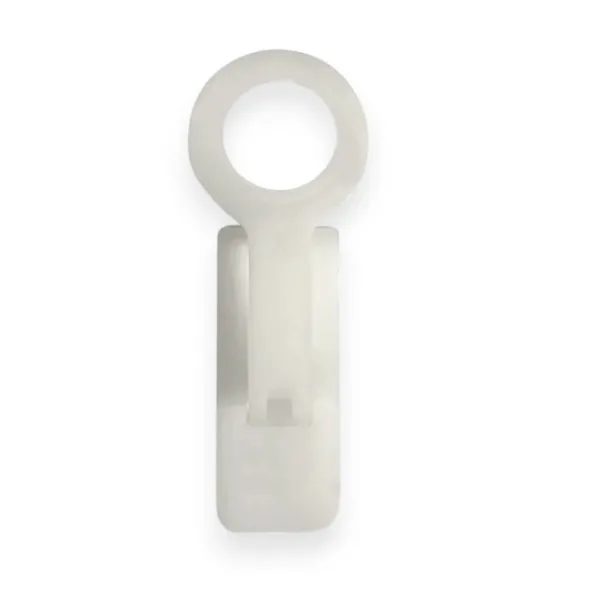
Elevate your Christmas light installations with the C9 Best Clip, the industry’s top choice for professional holiday decorators. Designed by a professional installer specifically for other installers, this nearly unbreakable clip is crafted to withstand the rigors of outdoor use season after season. Whether you're working on gutters, drip edges, or even shingles, the C9 Best Clip is the versatile, durable solution that makes your job easier and keeps costs down over the years.
Colors Available:
White
Brown
Quantities Available:
1000/case
2000/case
Key Features:
Heavy-Duty Construction: Built from nearly unbreakable materials, the C9 Best Clip is designed to endure harsh weather conditions, ensuring reliable performance year after year.
Installer-Approved Design: Created by a professional Christmas light installer, this clip is engineered to meet the demands of the job, making installations faster and more efficient.
Versatile Use: The C9 Best Clip is perfect for securing lights along gutters, drip edges, and, in some cases, shingles, providing flexibility for a wide range of installation scenarios.
Cost-Effective: Reusable and durable, the C9 Best Clip is a cost-effective choice for professional installers, reducing the need for frequent replacements and lowering overall installation costs.
Recommended by Professionals: Trusted and recommended by expert Christmas light installers, the C9 Best Clip is the go-to solution for securing C9 bulbs and other holiday lighting elements.
Pre-Season Wholesale Best Shingle Tab Clips
As Low As $0.12 per Clip
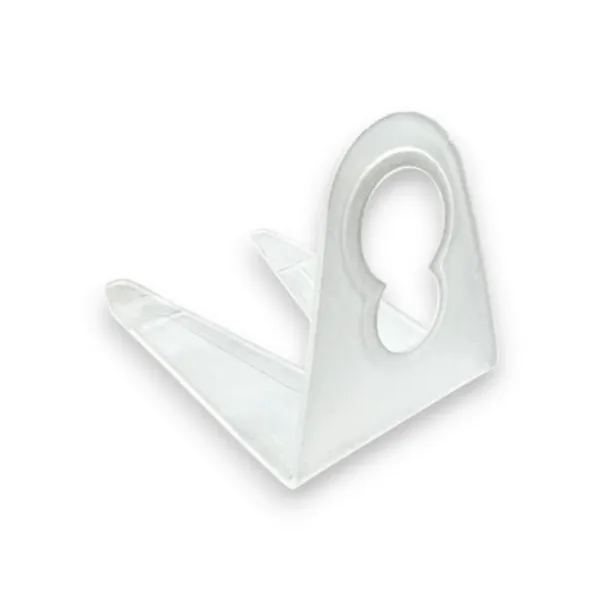
Upgrade your Christmas light installations with the Durable Shingle Tab, designed to outlast and outperform standard shingle tabs. Made from highly durable plastic, this shingle tab provides a longer-lasting, more secure hold for both C7 and C9 sockets, ensuring your holiday lights stay perfectly in place. Whether you're installing lights on shingles, gutters, or decks, this versatile tab is the perfect Christmas light accessory.
Colors Available:
White
Quantities Available:
1000/case
Key Features:
Very Durable Plastic: Constructed from premium, long-lasting plastic, this shingle tab is built to endure harsh weather conditions, providing years of reliable use—far exceeding the lifespan of standard shingle tabs.
Superior Socket Hold: Specifically designed to hold C7 and C9 sockets more securely than regular shingle tabs, ensuring your lights remain in place throughout the holiday season.
Easy Installation: The tab's design allows it to slide easily under shingles, making installation quicker and less frustrating than with other shingle tabs.
Versatile Use: Perfect for use on shingles, gutters, and decks. Simply wedge the legs within available spaces to secure the tab, or use it in conjunction with a parapet clip on flat surfaces for added stability.
Compatible with Parapet Clip: For flat surfaces, pair this shingle tab with a parapet clip to achieve a secure, professional-grade installation. It’s the perfect accessory for any Christmas light display.
Pre-Season Wholesale C9/C7 Best Enclosed Ridge Clips 500/Case
As Low As $0.40 per Clip
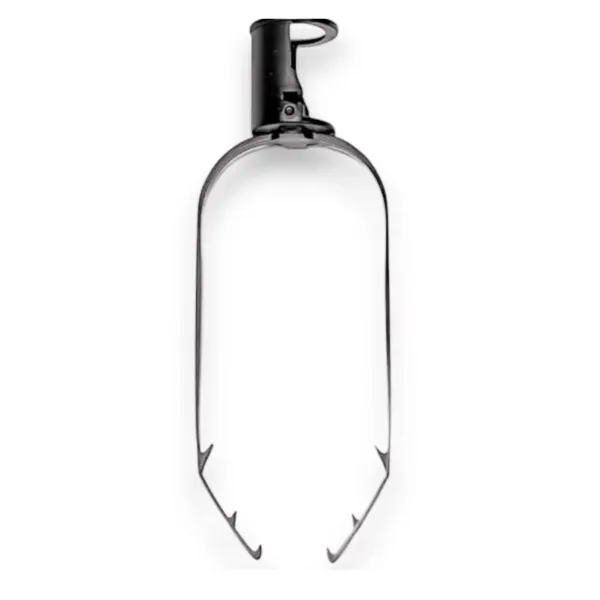
The Best Enclosed Ridge Clip is designed for professional holiday lighting installations, offering unbeatable security, durability, and versatility. Made from high-quality, durable plastic, this clip features an enclosed design that ensures it will never detach from the light strand, providing confidence that your lights will stay firmly in place. Its extended length accommodates any ridge shingle without causing damage, making it perfect for worry-free installations. Plus, it’s compatible with both C9 and C7 bulbs, adding even more flexibility to your setup.
Colors Available:
Black
Quantities Available:
500/case
Key Features:
Durable Plastic Construction: Crafted from robust, high-grade plastic, these clips are built to endure tough weather conditions, ensuring long-lasting use season after season.
Enclosed Design: The unique enclosed structure securely locks onto the light strand, preventing the clip from slipping or detaching, even in windy or adverse weather.
Extended Length for Versatility: The longer design ensures a secure fit on any ridge shingle without causing damage, offering compatibility with various roof types.
Works with C9 and C7 Bulbs: Specifically designed to hold both C9 and C7 light strands, providing versatility and ease of use for different bulb sizes.
Easy Installation: Simplifies setup with quick, hassle-free application, saving time while delivering a clean, professional look.
Pre-Season Wholesale C9 Tuff Wedge Clip 800/Case
As Low As $0.16 per Clip
The Tuff Wedge Clip is the go-to choice for professional installers who need a fast and reliable way to secure C9 bulbs on holiday displays. Designed with convenience in mind, this versatile clip easily flexes over pre-installed bulbs, making it ideal for quick installations on socket wire lines. The Tuff Wedge Clip ensures a secure and polished look for your light displays, helping you create visually stunning installations with minimal effort.

Colors Available:
White
Quantities Available:
800/case
Key Features:
Flexes Over Pre-Installed Bulbs: The Tuff Wedge Clip features a unique flexible design that allows it to snap directly over C9 bulbs already mounted on socket wire lines. This saves time and eliminates the need for removing or adjusting bulbs, making the installation process faster and more efficient.
Sturdy, Weather-Resistant Construction: Built from high-quality, UV-stabilized plastic, the Tuff Wedge Clip is engineered to resist harsh outdoor conditions, such as wind, rain, and snow. Its durable design prevents cracking and wear, ensuring long-lasting performance for both residential and commercial applications.
Ideal for Multiple Surfaces: Whether you’re working with shingles, gutters, or drip edges, the Tuff Wedge Clip provides a firm and secure grip on various surfaces, keeping lights in place without sagging or shifting.
Streamlined Installation: With the ability to clip directly over pre-installed bulbs, the Tuff Wedge Clip reduces installation time and simplifies the process, allowing for rapid and professional-looking displays that stand out during the holiday season.
Clean and Professional Finish: The Tuff Wedge Clip ensures that your C9 bulbs are perfectly aligned, giving your holiday light displays a clean, polished, and symmetrical appearance that will impress clients and onlookers alike.
Pre-Season Wholesale C9 Tuff Flex Clip 800/Case
As Low As $0.16 per Clip
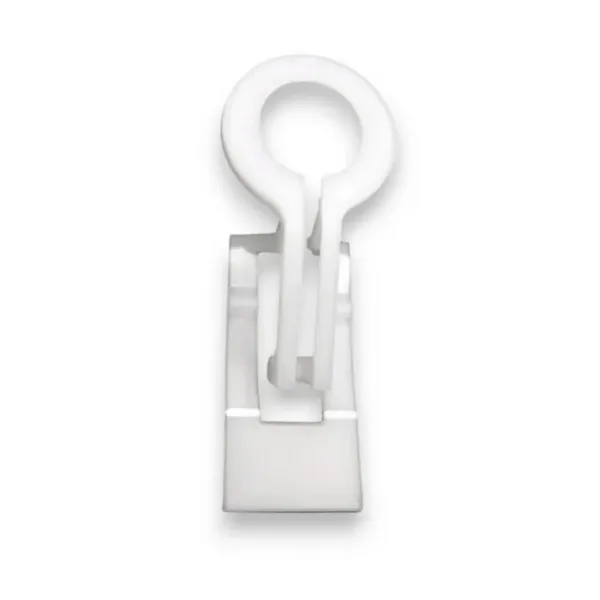
The Tuff Flex Clip is the perfect solution for professional installers seeking a versatile and efficient way to secure C9 bulbs on their holiday displays. Specifically designed to work with pre-installed bulbs on socket wire lines, this innovative clip offers both convenience and flexibility, making installations smoother and faster. The Tuff Flex Clip provides a strong and secure hold while allowing for easy adjustments, ensuring that your lights remain perfectly aligned throughout the season.
Colors Available:
White
Quantities Available:
800/case
Key Features:
Flexes Over Pre-Installed Bulbs: The Tuff Flex Clip’s unique design allows it to clip directly over C9 bulbs already installed on socket wire lines. This feature makes it ideal for installers looking to streamline the installation process and reduce setup time without compromising quality.
Strong and Durable Construction: Made from high-quality, weather-resistant materials, the Tuff Flex Clip is built to withstand extreme outdoor conditions, including wind, rain, and snow, ensuring that your light displays stay securely in place all season long.
Secure and Professional Hold: The Tuff Flex Clip’s sturdy grip ensures that bulbs remain firmly attached, even on challenging surfaces like gutters, shingles, and drip edges. Its reliable hold prevents shifting or sagging, giving your holiday display a clean and professional appearance.
Ease of Use and Versatility: With the ability to clip over pre-installed bulbs, the Tuff Flex Clip offers unmatched convenience. Installers can quickly secure lights without removing or adjusting bulbs, making it an ideal choice for both residential and commercial installations.
Frequently Asked Questions
What surfaces are the clips compatible with?
Our clips are versatile and can be used on gutters, shingles, drip edges, and even flat surfaces when paired with parapet clips, making them suitable for various installations.
Are the clips durable for outdoor use?
Yes, all our clips are made from heavy-duty, weather-resistant plastic, ensuring they withstand harsh outdoor conditions like wind, rain, and snow.
What bulb types are the clips compatible with?
Most of our clips, including C9 Best Clips and Shingle Tab Clips, are compatible with both C7 and C9 bulbs, offering flexibility for different lighting setups.
How do Tuff Wedge and Tuff Flex Clips simplify installation?
These clips are designed to flex over pre-installed bulbs, allowing you to quickly and securely attach lights without removing or adjusting bulbs, saving time and effort.
What quantities and colors are the clips available in?
Our clips are available in quantities ranging from 500 to 2000 per case and come in colors like white, brown, and black, giving you options to suit your project needs.
Discover Expert Tips on Our Blog

Christmas Lights Pricing Wars: Why Cheap Always Loses
The Christmas lights installation industry sees a predictable pattern each year: new installers enter the market charging rock-bottom prices, struggle through a season or two, and quietly disappear. Meanwhile, premium-priced operators thrive, scale their businesses, and build sustainable six and seven-figure enterprises. Understanding why this happens—and how to avoid the cheap installer's fate—can mean the difference between building a real business and creating an exhausting, unprofitable job for yourself.
The Action-Taking Weekend That Changes Everything
Recent training sessions demonstrate what separates successful installers from those who remain stuck. Eighteen attendees gathered for an intensive weekend focused not just on learning, but on immediate implementation. While some participants took notes and planned future action, one attendee created and posted 20 videos during the training itself. That's the difference between learning and doing—and doing is what generates results.
The weekend featured expert guest instruction on recruiting and leadership from someone who built and sold a $2.5 million business with over 50 employees. Attendees didn't just absorb information—they optimized LinkedIn profiles, sent connection requests, created videos, and posted content in real-time. One participant received a lead while still in the training session because he took immediate action rather than waiting for perfect conditions.
Google's automated ranking systems are designed to present helpful, reliable information that's primarily created to benefit people, and similarly, your business systems should prioritize serving customers over operational perfection. Action beats perfection every time.
The Book That Transforms Business Growth
"Endless Customers" deserves special mention as required reading for anyone serious about building a thriving installation business. However, reading without action produces zero results. The book provides frameworks and strategies, but implementation determines outcomes. If you're not willing to execute the concepts, save yourself the reading time.
The key is consistent action. Posting three videos and declaring "it didn't work" misses the point entirely. Success comes from sustained, consistent effort over weeks and months, not from sporadic attempts followed by quitting when immediate results don't materialize.
The Cheap Installer's Spiral of Death
Understanding why cheap pricing creates a death spiral helps installers avoid this trap. The cycle follows a predictable pattern:
Stage 1: Cheap Materials
Low-priced operators buy the cheapest possible materials—often incandescent lights or bottom-tier LED products from unreliable suppliers. These materials fail frequently, creating callback nightmares that consume profit and damage reputation. When you're waiting for shipments from China with uncertain quality and delivery timelines, you can't serve customers reliably.
Stage 2: Can't Pay Quality Workers
When charging $4-$6 per foot, there's no margin to pay competitive wages. Workers can earn $20 per hour at McDonald's without climbing ladders in freezing weather. Why would quality employees work for $10 per hour in dangerous conditions when easier options exist? The result: constant turnover, poor workmanship, and the owner doing most work themselves.
Stage 3: No Marketing Budget
Without healthy margins, marketing becomes unaffordable. How do you invest in yard signs, Facebook ads, or professional branding when there's barely enough profit to cover materials and labor? The business becomes trapped—unable to generate leads without marketing, unable to afford marketing without better margins.
Stage 4: No Systems Development
Cheap operators stay stuck doing everything themselves. There's no capital to invest in CRM software, hiring administrative help, developing training materials, or creating operational systems. The owner becomes the bottleneck, personally handling sales, installation, customer service, and takedown. This isn't a business—it's an exhausting, low-paying job.
Stage 5: No Profit
After materials, labor (even underpaid labor), insurance (if they carry it), and minimal overhead, cheap installers earn little to nothing. Many don't even realize they're operating at a loss when accounting for their time and liability exposure. One installer charging $5 per foot and taking three hours per $1,000 job nets perhaps $2,000 daily—before expenses, insurance, and overhead. That's unsustainable.

The Premium Pricing Success Cycle
Contrast the death spiral with how premium-priced operators build sustainable businesses:
Quality Materials and Fast Delivery
Premium operators buy quality LED products with warranties from reliable suppliers offering two-day shipping. When equipment fails, warranty replacements arrive quickly. There's no worrying whether materials will arrive or if they'll work properly. This reliability alone justifies higher pricing.
Paying Workers Well Creates Loyalty
Competitive wages attract quality employees who show up consistently, work safely, and treat customers professionally. When workers are paid well, they take pride in their work and become ambassadors for your brand. Internal customers (employees) who feel valued create better experiences for external customers (paying clients).
Content should demonstrate first-hand expertise and depth of knowledge, and when you invest in employee development, your team demonstrates that expertise to every customer they serve.
Marketing Budget Generates Consistent Leads
Ten percent of revenue allocated to marketing—a sustainable number at premium pricing—generates consistent lead flow. With healthy margins, spending $5,000-$10,000 monthly on marketing feels reasonable because the return justifies the investment. Knowing that 80% of customers return annually makes customer acquisition costs even more palatable.
Profit Enables Growth
Real profit—money left after all expenses, including proper owner compensation—funds business growth. Premium operators invest in CRM systems, safety equipment, training programs, and additional crews. Profit creates options: scale the business, take time off, invest in new equipment, or simply enjoy the rewards of entrepreneurship.
Systems Enable Scaling
With adequate resources, premium operators develop systems and processes that allow the business to run without their constant involvement. Checklists, training manuals, CRM workflows, and standard operating procedures mean quality remains consistent regardless of which crew handles installation. Systems separate business owners from self-employed technicians.
Understanding Your Target Customer
Many installers obsess over competitors charging $2-$5 per foot while ignoring the economics of their ideal customer. Consider the typical premium customer profile:
The Stay-at-Home Mom in the Million-Dollar Home
Her mortgage payment: $8,000-$10,000 monthly. Her Cadillac Escalade or Yukon: $2,000 monthly payment. Daily Starbucks: $10 per day = $300 monthly = $3,600 annually. She spends more on coffee than many installers charge for complete installations.
Yet installers worry this customer won't pay $1,500-$3,000 for professional holiday lighting? The disconnect reveals the real problem: not customer unwillingness to pay, but installer unwillingness to believe they're worth premium pricing.
People in every market purchase luxury vehicles, designer accessories, and premium services daily. The money exists. The question is whether you believe your service deserves a portion of that discretionary spending.

Why Customers Choose Premium Pricing
Understanding why customers select premium-priced installers over cheap alternatives helps frame your value proposition:
Professional Appearance and Communication
Premium operators present professionally from first contact through project completion. Clean vehicles, uniformed crews, prompt responses, and clear communication signal competence and reliability.
Reliable Service and Responsiveness
When issues arise—and they occasionally do—premium operators respond immediately. Lights go out? They're fixed within 24 hours. Time for takedown? It happens on schedule without the customer chasing the installer. This reliability has real value.
Proper Insurance and Safety Protocols
Premium customers want peace of mind that if something goes wrong, they're protected. Proper insurance, safety equipment, and professional practices justify higher pricing because they transfer risk from customer to installer.
Systems and Efficiency
Jobs completed in 45-90 minutes rather than 3 hours reflect systems and training. One installer charging $5 per foot takes three hours per $1,000 job, earning $2,000 daily (before expenses). A premium operator charging $10 per foot completes similar jobs in 90 minutes, servicing 4-5 properties daily at higher margins. The difference? Systems, training, and experience.
Breaking the "$6 Per Foot" Mental Barrier
The most common limiting belief sounds like: "Nobody in my area will pay more than $6 per foot." This reveals the real problem: you don't believe you're worth more, so you'll never charge more—or if you try, your lack of confidence kills the sale.
One installer insisted his market wouldn't support premium pricing. Everyone charged $5 per foot, he explained. When asked what he did for extremely steep roofs requiring lifts, he admitted raising prices to $10 per foot—and customers paid without objection. This proves customers will pay premium prices when value is properly presented.
The math is simple: raising prices from $6 to $8 per foot (a 33% increase) generates the same revenue from 25% fewer jobs. That's less wear on equipment, less risk exposure, less labor cost, and more profit. Raising from $6 to $10 per foot means doing 40% fewer jobs for the same revenue—and likely banking double the profit.
The Power of Confident Communication
One installer couldn't understand why he closed so few jobs. During conversation, he said "um" twenty times in a few minutes. That verbal tick signals uncertainty and lack of confidence—exactly what customers don't want from someone they're hiring to work on their home.
If you say "um" 20-50 times during a sales conversation, customers subconsciously question your competence. They wonder: "If he's this uncertain about his service, why would I trust him on my roof?"
Eliminating filler words requires awareness and practice. Record yourself during practice calls. Count your "ums," "uhs," and "likes." Then deliberately slow down your speech, thinking before speaking. Within weeks, filler words decrease dramatically, and closing rates improve correspondingly.
The Importance of Answering Your Phone
This point deserves emphasis: answer your phone, or pay someone to answer it for you. Spending thousands on yard signs and Facebook ads while letting calls go to voicemail is self-sabotage. Every missed call represents lost revenue—potentially a $2,000-$5,000 job that goes to the competitor who answered.
If you're on the roof and can't answer professionally, that's the signal to hire someone for phone coverage. But you can't afford that hire if you're charging $5 per foot. Premium pricing funds the administrative support that allows you to stay on jobs while someone else handles incoming calls professionally.

Pre-Qualifying Leads: The Right Way
When conducting in-person estimates, pre-qualifying prevents wasting time on price shoppers. However, avoid terms like "minimum" that create psychological resistance. Instead, frame it positively:
"Our packages start at just $900, which includes design, professional-grade LED lights, installation, maintenance, and takedown. Does that sound like the level of service you're looking for?"
Then stop talking. Listen. Their response tells you immediately whether to schedule the appointment. A "yes" means they're a qualified prospect. Hesitation or "that's way more than I expected" means they're probably not your ideal customer—and that's fine. Better to know before driving to their property.
Dealing With the "Market Is Flooded" Myth
Installers frequently complain that "the market is getting flooded with competitors." This reveals obsession with competition rather than customers. Ask these installers about their business metrics—average ticket, close rate, customer acquisition cost—and they draw blanks. But they can tell you everything about competitors: pricing, number of reviews, service areas, even personal details about the owners.
This backward focus guarantees failure. Instead of worrying about competitors, focus on serving customers exceptionally well. There are thousands of potential customers in any market. You don't need everyone—just 100-200 quality clients paying $1,500-$3,000 generates $150,000-$600,000 revenue.
Competitors charging $4 per foot aren't your competition. They serve price-sensitive customers who aren't your target market anyway. Premium customers actively avoid the cheapest option because they associate low prices with low quality and unreliability.
Sales Timing: October vs. November
October sales typically run slower than November, creating anxiety for inexperienced installers. This is normal seasonal pattern, not a business problem. Unless you've executed strong marketing all year and developed excellent closing skills, expect modest October sales followed by November explosion.
Don't panic if bookings feel slow in mid-October. Weather changes trigger psychological shifts—as temperatures drop and Halloween approaches, holiday mindset activates. Customers who browsed websites in September suddenly become ready to commit. November typically delivers 60-70% of seasonal sales for most markets.
Use slower October periods for marketing intensification. Deploy yard signs aggressively, post daily on social media, engage on LinkedIn, and follow up with leads from earlier outreach. This groundwork positions you for November's surge.
Taking Massive Action: The Only Path Forward
Every successful installer shares one trait: massive action despite imperfect conditions. They post videos even when uncomfortable on camera. They deploy yard signs with "good enough" designs rather than waiting for perfect artwork. They close jobs before mastering every installation technique.
One training attendee had never created a video before the weekend. He volunteered to demonstrate something on camera despite nervousness. Then he downloaded CapCut (a video editing app) for the first time, edited his clip, and posted it during the training. That video generated 1,300 views within hours—simply because he took action instead of waiting for perfect skills or conditions.
That's the difference between winners and waiters. Winners act despite uncertainty. Waiters seek perfect conditions that never arrive.

Why do cheap installers consistently fail while premium operators thrive?
Cheap pricing creates a death spiral: poor materials lead to callbacks, low margins prevent paying quality workers, no marketing budget stops lead generation, and absence of profit eliminates ability to invest in systems. Premium pricing funds quality materials, competitive wages, marketing budgets, and system development—creating sustainable, scalable businesses rather than exhausting jobs.
What should I charge per foot for residential Christmas light installation?
Aim for $8-$12 per foot as a baseline for quality service. Markets with strong economies and established customer bases support $10-$14 per foot or higher. Some installations reach $20 per foot when design complexity, difficulty, or customer expectations justify premium pricing. Never charge below $8 per foot—it's unsustainable long-term.
How do I respond when customers say I'm too expensive compared to competitors?
Recognize you're serving different market segments. Budget installers attract price-sensitive customers comparing quotes down to the penny. Premium operators attract quality-focused customers valuing professionalism, reliability, and peace of mind. Don't compete on price—compete on value, expertise, and customer experience. The customer objecting to your pricing probably isn't your ideal client anyway.
Should I offer October discounts to book more jobs before the rush?
Never discount in October. Customers who book at discounted rates in October will expect the same pricing when they refer neighbors or rebook next year. If you're booked solid in October, raise prices or add crews—don't discount. Early bookings at full price train customers that your value justifies your pricing year-round.
How do I eliminate filler words like "um" and "uh" that undermine my sales conversations?
Record yourself during practice calls and count filler words. Most people dramatically underestimate their usage. Once aware, deliberately slow your speech, pausing to think before speaking rather than filling silence with "um." Practice daily for 2-3 weeks and filler words decrease 70-80%, dramatically improving perceived competence and confidence.

What's the difference between a DBA and LLC for a new Christmas lights business?
A DBA (Doing Business As) costs $15-$20 and allows you to operate under a business name while remaining a sole proprietor. An LLC provides liability protection but costs $200-$500 to establish. For first-year operators testing the business, start with a DBA to keep a professional Christmas lights brand separate from other services like pressure washing. Upgrade to LLC once revenue justifies the investment.
How do I know if I should use pitch hoppers, Goat Steep Assist, or other roof safety equipment?
Start with pitch hoppers ($115) and Cougar Paws roof boots. This combination handles most residential roofs safely and affordably. Add Goat Steep Assist ($600-$700) if you're uncomfortable on roofs and want something to hold onto, or if you frequently work on steep pitches above 8/12. Never cheap out on safety equipment—one fall costs infinitely more than proper gear.
Should I pre-qualify leads before scheduling in-person estimates?
Absolutely. Ask: "Our packages start at just $900, which includes professional design, installation, maintenance, and takedown. Does that sound like the service level you're looking for?" Their response immediately indicates whether they're a qualified prospect. This saves hours driving to appointments with price shoppers who'll never book at your rates.
Why do installers obsess over competitors instead of focusing on their own business?
Fear and lack of confidence. When you don't believe in your own value, you fixate on what competitors charge, thinking lower prices are why they succeed. In reality, most successful operators know little about competitor pricing because they're too busy serving customers. Focus on your metrics—average ticket, close rate, customer satisfaction—not competitor analysis.
What's the single most important action I can take this week to grow my Christmas lights business?
Answer your phone professionally every single time, or pay someone to do it for you. Missed calls are lost revenue—potentially $2,000-$5,000 per call. If you can't answer while working, that's the signal to hire phone coverage. Everything else—marketing, training, equipment—becomes irrelevant if you're not converting incoming leads because calls go unanswered.

Copyright ©2026 All Right Reserved website designed by christmaslights.io
Terms of Service / Privacy Policy
Have questions or need assistance?
Contact us at (855)619-LITE