Get the Cheapest Christmas Lights at Wholesale Pricing
Pre-Order Now for 2026!
Take advantage of our 2026 Pre-Season Sale!
Pre-order and lock in the best prices on Christmas Lights before
Looking for the cheapest Christmas lights at wholesale prices? Save big January 1 - February 16 2026 on premium Christmas lights and supplies! Whether you’re a professional installer or a holiday enthusiast, we offer the lowest prices on high-quality LED Christmas lights, string lights, and accessories.
🎄Why choose us?
Unbeatable Wholesale Pricing: Save more when you buy Christmas Lights in bulk – perfect for businesses and large-scale installations.
Top-Quality Products: We stock C9 Commercial Elite LED Bulbs, C7 Minleon V2 Bulbs, pre-lit garlands, and more.
Versatile Selection: From 500 to 100,000 bulbs, find the quantity and styles of Christmas Lights that suit your needs.
Wholesale Pricing Presale Christmas Lights C9 & C7 Bulbs
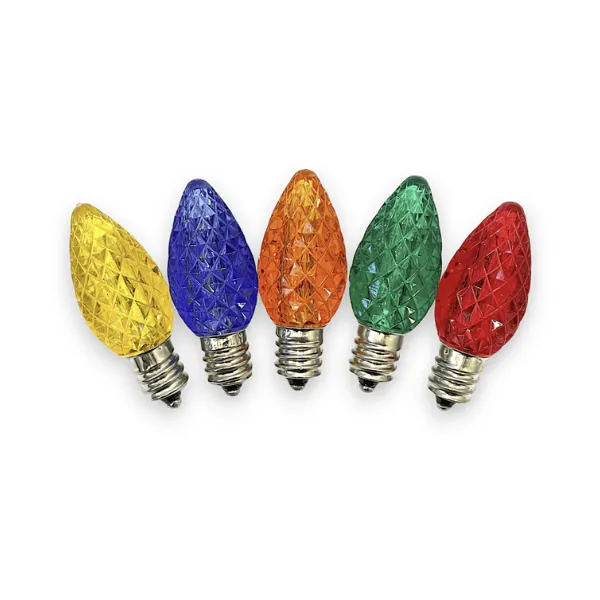
C9 & C7 LED Christmas Lights Bulbs
Looking for the cheapest Christmas Lights Bulbs with wholesale pricing? You've come to the right place! Our pre-season sale offers unbeatable wholesale prices on these top-quality, energy-efficient bulbs. Perfect for professional installers and holiday enthusiasts alike, our C9 and C7 bulbs are durable, vibrant, and available in a wide range of colors. Create stunning holiday displays while saving big with the best pricing on the market. Shop now and light up the season!
Wholesale Pricing Presale Christmas Lights Mini Lights Strands
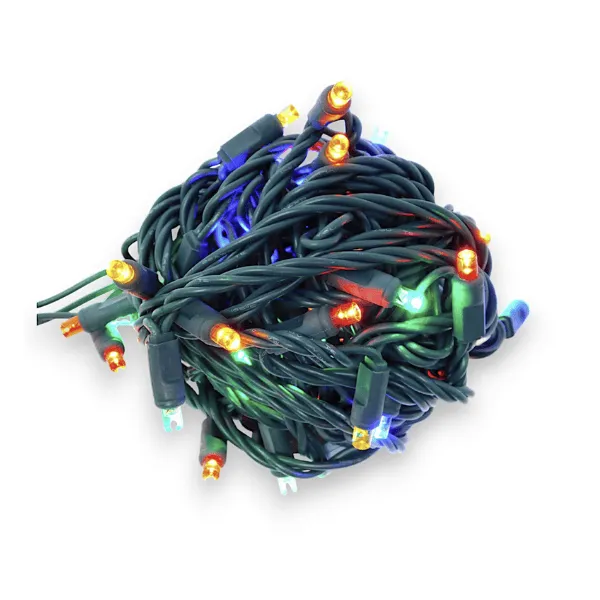
High-Quality Mini LED Christmas Lights Strands
Illuminate your holiday displays with our premium LED mini Christmas lights at wholesale pricing! These energy-efficient 5mm wide LED lights offer vibrant, long-lasting brilliance with up to 50,000 hours of lifespan. Perfect for wrapping trees, bushes, and architectural features, they feature durable, virtually unbreakable bulbs and patented moisture-resistant construction. Safely connect up to 45 strings for large-scale installations and enjoy the convenience of pre-balled lights for quick, hassle-free setup. Whether you're decorating a home or creating dazzling commercial displays, these mini lights deliver unmatched performance and reliability.
Wholesale Pricing Presale Christmas Lights Socket Wire & Zip Cords
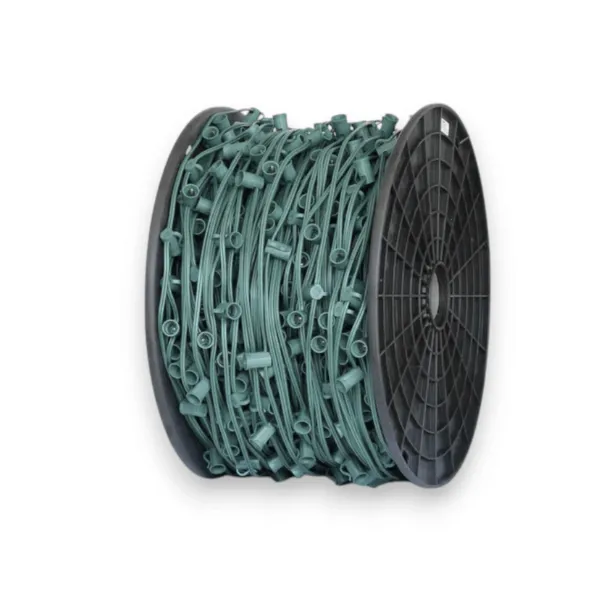
Socket Wire, Stringers & Zip Lamp Cord
Elevate your holiday lighting installations with our professional-grade wire spools and stringers, designed for C9 and C7 bulbs. Available in lengths up to 1000 feet and colors like Green, White, Brown, and Black, these customizable wires offer flexible spacing options ranging from 12" to 36" to suit any project. Featuring durable UV-protected sockets with weep holes and SPT-1 insulation, our wire ensures safe and reliable operation indoors and outdoors. Perfect for professional-grade displays, these spools provide the durability and versatility needed to create stunning, custom holiday lighting designs.
Wholesale Pricing Presale Christmas Lights Plugs
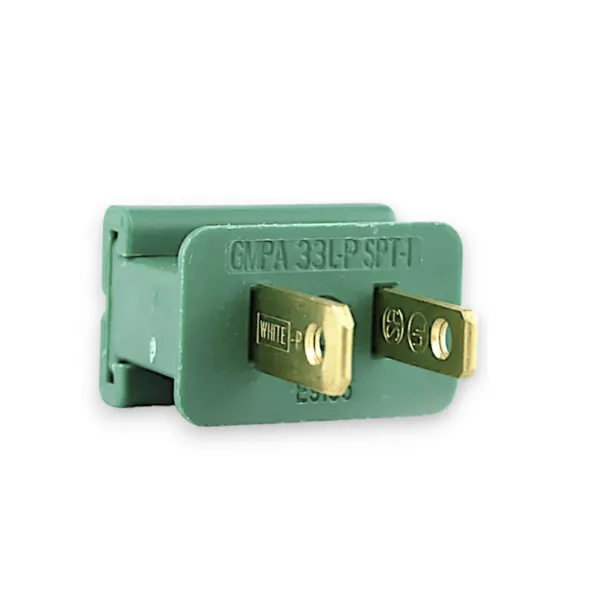
Wholesale Pricing Male & Female Christmas Plugs
Simplify your holiday lighting with our professional-grade Christmas light plugs, designed for durability and reliability in any installation. Choose from male plugs, female plugs with knockout tabs, and one-plug connectors, available in Green, White, Black, and Brown to match your design needs. Made from heavy-duty plastic, these plugs are built to withstand cold weather and ensure secure connections for indoor and outdoor use. Perfect for creating custom light strings or extension cords, our plugs make it easy to achieve professional-grade displays with ease and efficiency.
Wholesale Pricing Presale Christmas Lights Clips
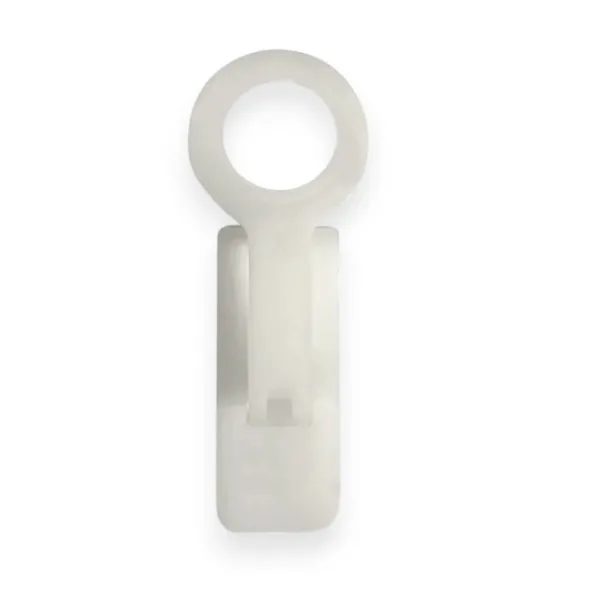
Presale Pricing Christmas Lights Clips
Secure your holiday light displays with our professional-grade Christmas light clips, designed for durability and ease of use. From C9 Best Clips and Shingle Tab Clips to Tuff Wedge Clips, our versatile selection ensures a secure fit for gutters, shingles, and other surfaces. Built with heavy-duty, weather-resistant materials, these clips are compatible with C7 and C9 bulbs and simplify installation with options that flex over pre-installed bulbs. Available in bulk quantities and multiple colors, our clips are perfect for creating polished, professional holiday displays that last all season.
Wholesale Pricing Presale Christmas Lights Accessories: Stakes/Wreaths/Bows/Garland
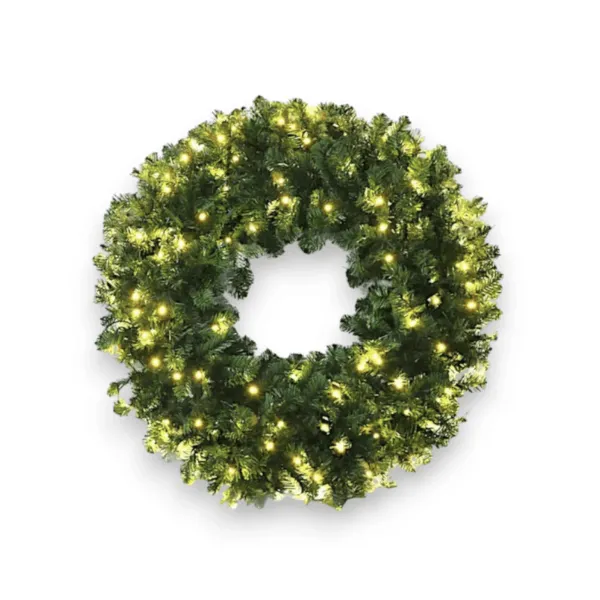
Christmas Lights Accessories
Complete your holiday displays with our premium Christmas accessories, including durable light stakes, elegant wreaths, lush garlands, and stunning bows. Designed for both residential and commercial use, these high-quality decorations are built to last and add a touch of festive charm to any setting. Whether you're lining pathways with light stakes or accenting doorways with pre-lit garlands and bows, our accessories offer the perfect finishing touch for your holiday decor. Shop now to secure wholesale pricing and elevate your seasonal displays!
Wholesale Pricing Presale Christmas Lights Pre-Bulbed & Pre-Clipped
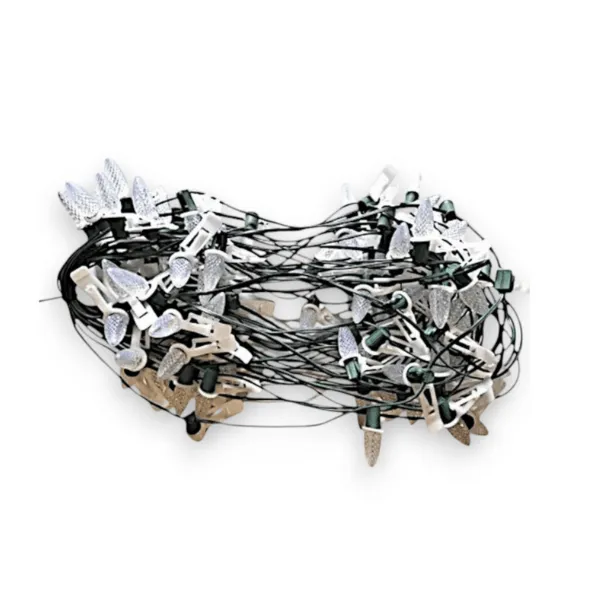
C9 & C7 Christmas Lights Pre-Bulbed & Pre-Clipped Strands
Transform your holiday setup with our pre-bulbed and pre-clipped Christmas light strands, designed for convenience and professional-grade results. These 100-foot strands feature high-quality C9 or C7 bulbs, durable clips, and flexible green socket wire, all pre-attached for effortless installation. Choose from vibrant colors like Warm White, Sun Warm White, and Multi-Color to match your holiday vision. Perfect for both professionals and homeowners, these strands save time and deliver a polished, stunning display.
Frequently Asked Questions
What’s the difference between C9 and C7 LED Christmas Light bulbs?
C9 bulbs are slightly larger than C7 bulbs, making them ideal for larger displays such as rooflines, trees, and commercial decorations. C7 bulbs are smaller and better suited for smaller spaces, window frames, or accent lighting.
Can I use your wires and plugs for both indoor and outdoor lighting projects?
Yes, our wires and plugs are designed for both indoor and outdoor use. They're constructed with weather-resistant materials to withstand various environmental conditions. However, always ensure proper installation and follow safety guidelines for outdoor electrical setups.
Are your mini lights energy efficient?
Absolutely! The LED technology in these lights uses up to 90% less energy than traditional incandescent bulbs, helping you save on energy costs while still delivering a brilliant display.
What makes your sockets durable for outdoor use?
Our professional-grade sockets feature UV protection and weep holes to prevent moisture buildup, ensuring reliable performance in outdoor conditions.
What is the difference between SPT-1 and SPT-2 plugs?
SPT-1 plugs are designed for standard-duty use, while SPT-2 plugs have thicker insulation, making them ideal for heavy-duty installations and more demanding projects.
What bulb types are compatible with your clips?
Most of our clips, including C9 Best Clips and Shingle Tab Clips, are compatible with both C7 and C9 bulbs, offering flexibility for different lighting setups.
Discover Expert Tips on Our Blog
Marco's Question About Quotes + 4 More You've Been Asking
The Christmas lights installation season brings excitement, revenue opportunities, and unfortunately, serious safety risks. Multiple installers have fallen from roofs this season alone—some breaking both legs from just 10 feet up, others surviving only because of harness systems, and tragically, some who didn't survive at all. These aren't rare incidents among careless operators—they're happening to experienced professionals who momentarily lost focus or underestimated risk.
This comprehensive guide addresses the critical safety equipment and procedures every installer must implement, alongside proven sales strategies for in-person quoting that can dramatically increase close rates and average tickets. Because the best business in the world means nothing if you're hospitalized or worse.
The Stark Reality: Recent Falls and Why They Happened
This season has seen an alarming number of serious falls. One installer fell approximately 10 feet from a first-floor roof when his ladder kicked out during transition to the second floor. He broke both legs. This was only his second season and his fourth installation.
Another installer's son fell from a roof but survived because he was wearing a harness and properly tied off—the harness literally saved his life. A third installer fell three stories while working at a dormer. It wasn't even a steep roof—he simply stepped backward without realizing he'd reached the edge. He broke both legs in the fall.
Most chilling: at least one installer this season didn't survive a rooftop fall.
Why Falls Happen
Nobody climbs on a roof intending to fall. Falls occur when:
Complacency sets in: Experienced installers get overconfident and skip safety protocols they know they should follow
Rushing to meet deadlines: Peak season pressure leads to cutting corners
Inadequate equipment: Cheap or missing safety gear creates preventable risks
Environmental conditions: Frost, dew, wet surfaces, or high winds dramatically increase danger
Distraction: Stepping backward without looking, losing balance while reaching, or not maintaining three points of contact
One installer survived a fall only because his pants caught on the gutter as he fell, leaving him hanging upside down until his ground crew could rescue him. The roof had been frosty—as soon as he stepped on it, he slid.
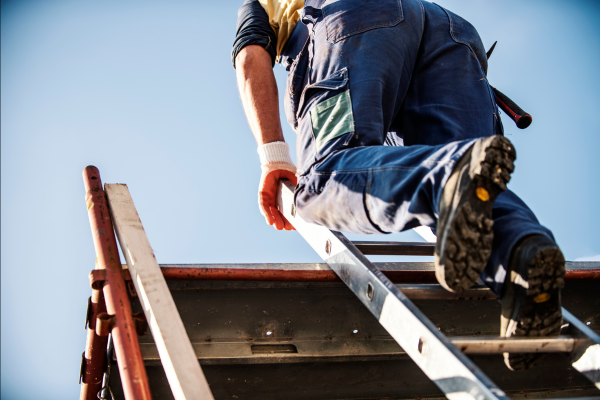
Essential Safety Equipment: Non-Negotiable Investments
Premium pricing enables proper safety equipment investment. Cheap pricing forces cutting corners that lead to catastrophic injuries. Here's what every crew member needs:
Proper Footwear
Cougar Paws ($200): Professional roofing shoes with replaceable pads that grip shingles effectively. Industry standard for steep-pitch work.
Specialized Christmas Lights Shoes ($40 at christmaslights.io/shoe): Budget-friendly alternative that actually outperforms Cougar Paws on steeper pitches in testing. Provides excellent traction without the premium price.
What Doesn't Work:
Hey Dudes: Slide right down roofs—absolute safety hazard
Vans: Better than Hey Dudes but inadequate for professional rooftop work
Standard sneakers or work boots: Lack the specialized traction needed for pitched surfaces
Stability and Support Equipment
Pitch Hoppers: Platforms that provide stable working surfaces on steep pitches. Available in 24-inch and 30-inch models ($115-$130). The 30-inch provides more working space, though some find them bulky. These tools are essential for extended work on steep roofs.
The Goat Steep Assist ($600-$700): Provides handholds and stability on challenging roofs. Particularly valuable for installers who want something to grab when working on steep pitches.
Ridge Pro: Screws into ridge caps, creating anchor points for stability or harness attachment. Some installers use these without screwing them in (just throwing over the ridge for handholds), though this reduces effectiveness significantly.
Ladder Safety
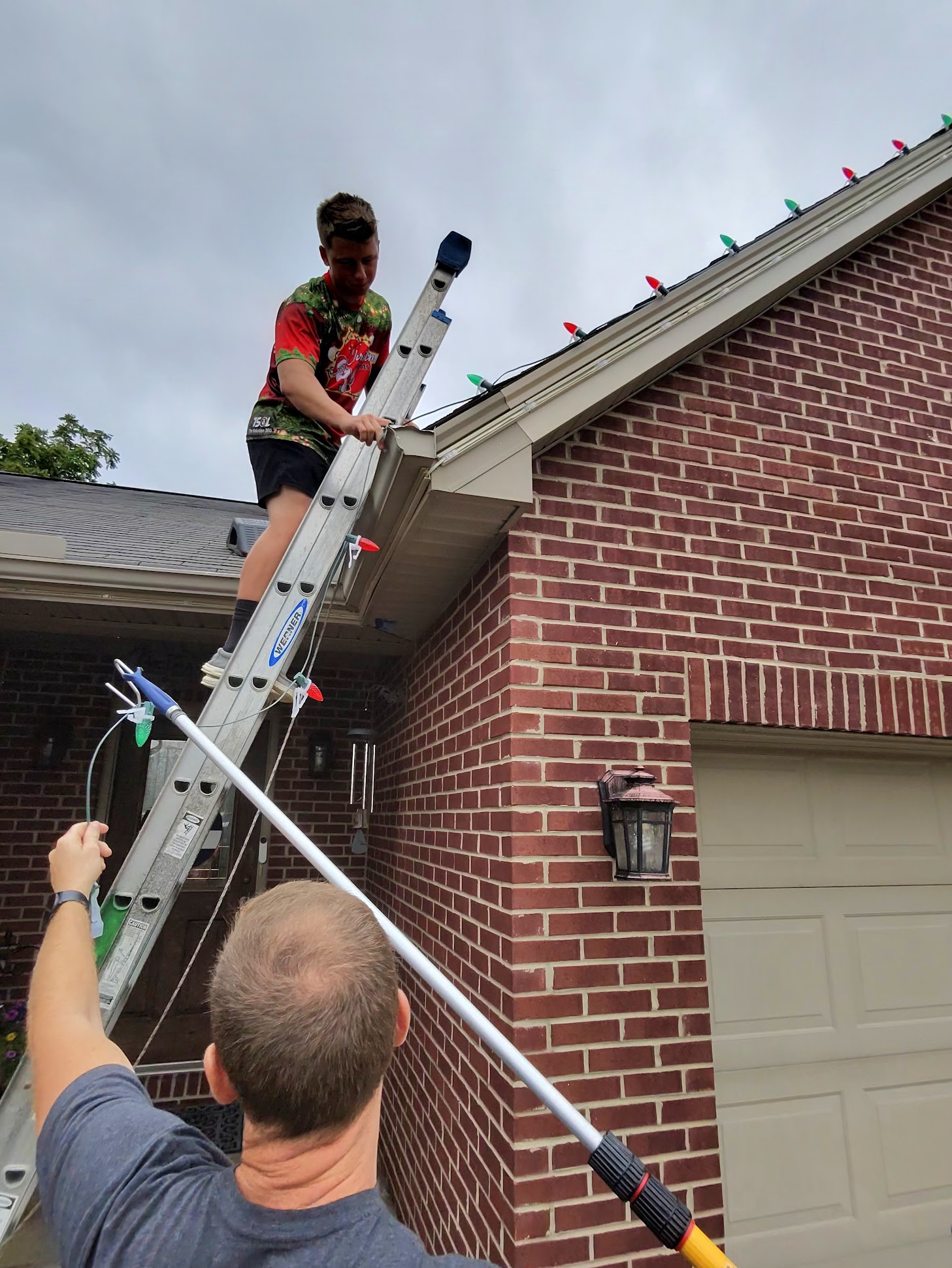
Ladder Stabilizers: Prevent ladders from slipping sideways or denting gutters. Inexpensive insurance against one of the most common fall scenarios—the ladder kick-out that caused one installer to break both legs this season.
Ladder Levelers: Ensure stability on uneven ground. Never use rocks, logs, or makeshift solutions to level ladders—these shift and cause falls.
Mr. Longarm Poles with Hooks: Pass materials to roof workers safely rather than throwing supplies up. Throwing materials forces roof workers to catch them, causing balance loss and potential falls.
Harness Systems and Tie-Offs
Harnesses saved at least one installer's life this season. While not always required by OSHA for short-duration work (under 15 minutes in some circumstances), they represent the ultimate safety backup.
Critical harness considerations:
Know how to perform self-rescue—hanging for 5-10 minutes after a fall can be fatal even with a harness
Understand rescue procedures—your ground crew needs training on safely getting someone down after a fall arrest
Wear helmets with harness systems—if you fall and your head hits, the helmet reduces traumatic brain injury risk
Safety Protocols: Systems That Save Lives
Equipment alone isn't sufficient. Implement these protocols on every job:
Pre-Job Safety Assessment
Weather Check: Never work on roofs during rain, when dew is present, or when frost/ice exists. One installer fell the instant he stepped on frosty shingles—there was no time to recover.
Roof Pitch Evaluation: Know your limits. If a roof makes you uncomfortable, don't get on it. Fear of dangerous roofs is healthy—it keeps you alive. Overconfidence kills.
Fall Plan Development: Before going on any roof, identify your fall plan. If you start sliding:
Can you grab a pipe vent?
Should you kick the gutter to slow descent?
Can you grab the gutter as you slide?
These split-second decisions must be made in advance. During an actual fall, you won't have time to think—only react based on prior planning.
Working Safely
Valleys Are Safest: Valleys provide the most stable working positions. Plan your work to maximize time in valleys.
Three Points of Contact: Always maintain three points of contact with the roof or ladder. Moving without this stability invites disaster.
Communicate with Ground Crew: Never throw materials to roof workers. Use the Mr. Longarm pole system or establish clear hand-off protocols.
Know When to Say No: Some roofs are too dangerous regardless of price. A job isn't worth hospitalization or death. One successful installer personally climbed roofs on only 2 of his first 39 installations—the other 37 were completed entirely from ladders, and the final 2 were flat roofs. There's no shame in ladder-only work if it keeps you safe.
The Business Case for Safety Investment
At $8-$10 per foot pricing, you generate sufficient margin to afford proper safety equipment. At $4-$6 per foot, you're forced to cut corners that risk your life and business.
Consider this calculation: One fall resulting in two broken legs means:
$50,000-$150,000 in medical bills
3-6 months of lost income during peak and secondary seasons
Potential permanent disability affecting future earning capacity
Insurance rate increases or policy cancellation
Workers' compensation claims if it's an employee
The entire cost of premium safety equipment—shoes, pitch hoppers, goat assists, ladder stabilizers, harnesses—totals $1,000-$2,000. One prevented fall pays for this investment a hundred times over.
In-Person Quoting: The Complete Process
While safety protects your life, effective sales processes protect your business. In-person quoting, when done correctly, generates higher close rates and average tickets than online quoting—but only if you follow proven protocols.
Pre-Arrival Preparation
Schedule with Decision Makers Present: Overcome the "I need to talk to my spouse" objection before it happens by ensuring both decision-makers attend the appointment.
Choose Strategic Timing: Morning or early afternoon appointments when customers are fresh and engaged tend to close better than evening appointments when they're tired.
Dress Professionally: Wear clean clothes—ideally a polo shirt or business casual attire. Consider holiday-themed attire like a Santa hat or festive vest. When you look professional, you feel confident. That confidence communicates value and justifies premium pricing.
Arrival and First Impressions
Arrive on Time: Being late destroys trust before the conversation begins. Plan for traffic and arrive 5 minutes early.
Exit Vehicle Promptly: Don't sit in your vehicle reviewing notes or psyching yourself up. Customers watching from windows wonder what you're doing. Exit immediately and approach confidently.
Look for Compliment Opportunities: Scan the property for genuine compliments—nice landscaping, beautiful car, interesting boat, team flags. Find something authentic to praise. This creates positive emotional association before business discussions begin.
The Discovery Process: Understanding DISC Profiles
Never immediately present pricing. Spend 30 minutes minimum understanding the customer before discussing business details.
DISC Personality Framework:
D - Decisive (3% of population): Results-driven, makes quick decisions, wants bottom-line information. Give them options and let them decide rapidly.
I - Influential (17% of population): Talkative, social, values relationships. Let them chat, build rapport, share stories. Don't rush them.
S - Steady (69% of population): Risk-averse, values stability, needs to know/like/trust before buying. This is why relationship-building is critical—70% of customers won't buy without trust regardless of price.
C - Analytical (remaining percentage): Detail-oriented, asks technical questions like electricity consumption. These are the only customers who care about bulb specifications and technical details.
Love Languages in Sales
Understand how customers prefer to connect:
Words of Affirmation: Compliment their home, taste, decision-making Quality Time: Give them your full attention, don't rush Acts of Service: Offer to help with something beyond the quote Gifts: If they offer drinks or food, accept graciously—refusal feels like rejection Physical Touch: Shake hands enthusiastically if they initiate; never initiate if they don't offer
Married couples typically have opposite love languages. Adapting to both increases close probability dramatically.
The Presentation
After 30 minutes of discovery, return to your vehicle to prepare the quote. Ask whether they prefer meeting at the dining room table or living room. The dining room signals friendship and trust—people only invite friends to their table.
Present the Ultimate Package First: Show the complete vision—roofline, ridge lines, ground stakes, trees, columns, wreaths. Present this at full price ($3,000-$5,000 depending on property).
Pause for Decision: After stating the price, maintain eye contact and stay silent. Whoever speaks first loses negotiating leverage. The silence feels awkward—embrace it.
Offer Alternative Packages: If they decline the ultimate package, remove items to create mid-tier and basic options. Never present only one option—always give choice.
Post-Appointment Maximization
Five-Around Strategy: Before leaving the neighborhood, knock on five surrounding doors. "I just provided a quote for your neighbor Ms. Jones. Would you like a quote for your home?"
Ten-Around for Low Lead Flow: If you're not busy, do the entire street. Use the neighbor's name as social proof to open conversations.
Deploy Yard Signs En Route: Place signs strategically as you drive to and from appointments, maximizing every trip.
The Marketing Imperative: Leads Drive Everything
Safety equipment protects your body. Sales skills close deals. But without leads, neither matters. The installer who posted 105,000 Facebook views in 28 days understands this—volume creates success.
Proven Lead Generation Tactics
Yard Signs: Deploy 100-200 weekly during November. One well-placed sign can generate 5-10 jobs worth $10,000-$20,000.
Social Media Content: Post 3-5 times daily in local Facebook groups, on your business page, and in community forums. Video content showing installations, happy customers, and finished projects drives engagement.
Google Business Profile: Post daily, respond to every review within hours, ask systematically for reviews using QR codes or NFC tap cards.
The Mathematics of Lead Generation: At 15-20% close rates, you need 50-100 leads monthly to close 10-20 jobs. At $2,000 average ticket, that's $20,000-$40,000 monthly revenue. Want to double revenue? Double lead flow.

What's the most important safety equipment for Christmas lights installation?
Proper footwear is foundational—Cougar Paws ($200) or specialized Christmas lights shoes ($40) provide traction that standard shoes cannot. Beyond footwear, pitch hoppers ($115-$130) provide stable working platforms on steep roofs, and ladder stabilizers prevent the kick-out falls that cause serious injuries. If budget is limited, start with proper shoes and ladder stabilizers as minimum investment.
Should I wear a harness for every rooftop installation?
While OSHA allows exceptions for short-duration work under certain circumstances, harnesses literally saved an installer's life this season. Consider harnesses mandatory for steep-pitch roofs, extended work periods, or any condition where falling would result in serious injury or death. Remember: you need self-rescue training and proper anchor systems—simply wearing a harness without knowledge of rescue procedures can still be fatal.
How do I know if a roof is too dangerous to work on?
Trust your instincts. If a roof makes you uncomfortable or fearful, don't climb it. That fear is your brain recognizing danger your ego might want to ignore. Some indicators: pitch exceeding your comfort level, wet/icy/frosty conditions, damaged or unstable structure, extreme height without proper equipment, or weather conditions (wind, rain, temperature). Remember: 37 of the first 39 installations one successful installer completed were done entirely from ladders—you don't have to climb every roof.
What's the biggest mistake installers make with in-person quoting?
Presenting price immediately without discovery. When you arrive and immediately say "It'll cost $2,400," you're selling bulbs and clips—not experiences and memories. Spend 30 minutes understanding why they want lights, who's visiting, what emotions they're creating. This discovery justifies premium pricing because customers understand they're buying priceless memories, not commodity lighting.
How do I identify a customer's DISC personality type during discovery?
Listen to how they communicate. Decisive types get impatient with small talk and ask "what's the bottom line?" Influential types want to chat about everything and share stories. Steady types ask cautious questions about process and reliability—they need reassurance. Analytical types ask technical questions about electricity consumption, bulb specifications, and warranty details. Adapt your presentation to match their communication style.

Why is the five-around or ten-around strategy so effective?
Social proof is powerful. When you knock and say "I just quoted your neighbor Ms. Jones two doors down," you've instantly established credibility and created curiosity. Neighborhoods often compete or emulate each other—one beautiful display triggers others wanting comparable installations. The installer is already in the neighborhood, so there's no additional travel time or expense—pure efficiency.
How many leads do I need weekly to build a sustainable business?
At 15-20% close rates with $2,000 average tickets, you need approximately 50-100 leads monthly to generate $20,000-$40,000 revenue (10-20 closed jobs). That means 12-25 leads weekly. To generate this volume, deploy 100+ yard signs, post daily on social media, maintain active Google Business Profile, and consider Facebook advertising at $15-$30 per lead during peak season.
What should I do immediately after someone falls from a roof?
Call 911 immediately—don't attempt to move them unless they're in immediate danger (fire, traffic). If they're wearing a harness and suspended, have trained personnel perform rescue within 5-10 minutes maximum to prevent suspension trauma. Document everything for insurance and OSHA. Review what caused the fall to prevent recurrence. This is why having rescue training isn't optional—every crew member must know proper response procedures.
Is in-person quoting worth the time investment versus online quoting?
In-person quoting generates higher close rates (often 30-40% versus 15-20% online) and higher average tickets ($2,500-$3,500 versus $1,500-$2,000 online) when done correctly. However, it requires 60-90 minutes per appointment. Online quoting allows higher volume with less time investment. The right choice depends on your service area size—if customers are within 5-10 minutes, in-person makes sense. Beyond 30-45 minutes travel time, online quoting typically delivers better ROI.
How do I overcome the "I need to talk to my spouse" objection?
Prevent it during scheduling. When booking appointments, ask: "Will your spouse be available at this time? I want to ensure all decision-makers are present so we can finalize everything in one visit if you love the proposal." This frames the expectation that decisions happen during the appointment, not days later after "discussion." If a spouse genuinely can't attend, offer evening or weekend appointments to accommodate schedules.
Safety isn't optional—it's the foundation of sustainable business. Every installer who broke legs this season thought "it won't happen to me" until it did. Invest in proper equipment, implement strict protocols, and never let schedule pressure override safety judgment.
Combine uncompromising safety standards with proven sales processes, and you've built a business that protects both your life and your livelihood. The installers generating $50,000-$200,000+ seasonally aren't taking more risks—they're managing risk better while executing sales processes that convert prospects into premium-paying customers.
Go take action. Stay safe. Close jobs. Build the business you deserve.
Copyright ©2026 All Right Reserved website designed by christmaslights.io
Terms of Service / Privacy Policy
Have questions or need assistance?
Contact us at (855)619-LITE