

Professional-Grade Wires and Plugs
for Custom Lighting Solutions
Welcome to our comprehensive collection of high-quality wires and plugs, designed to empower both professional installers and passionate DIY enthusiasts. These essential components form the foundation of any exceptional lighting display, offering the versatility and durability needed to bring your creative visions to life. From bulk spools of SPT-1 and SPT-2 wire to weather-resistant Gilbert plugs and convenient end caps, our range caters to all your custom lighting needs. Whether you're crafting intricate holiday displays, enhancing landscape lighting, or tackling large-scale commercial projects, our professional-grade wires and plugs ensure reliable performance and seamless integration. Explore our selection and discover the perfect electrical components to elevate your lighting installations, combining safety, efficiency, and aesthetic appeal in every project.
SPT 1 Wire & Plugs
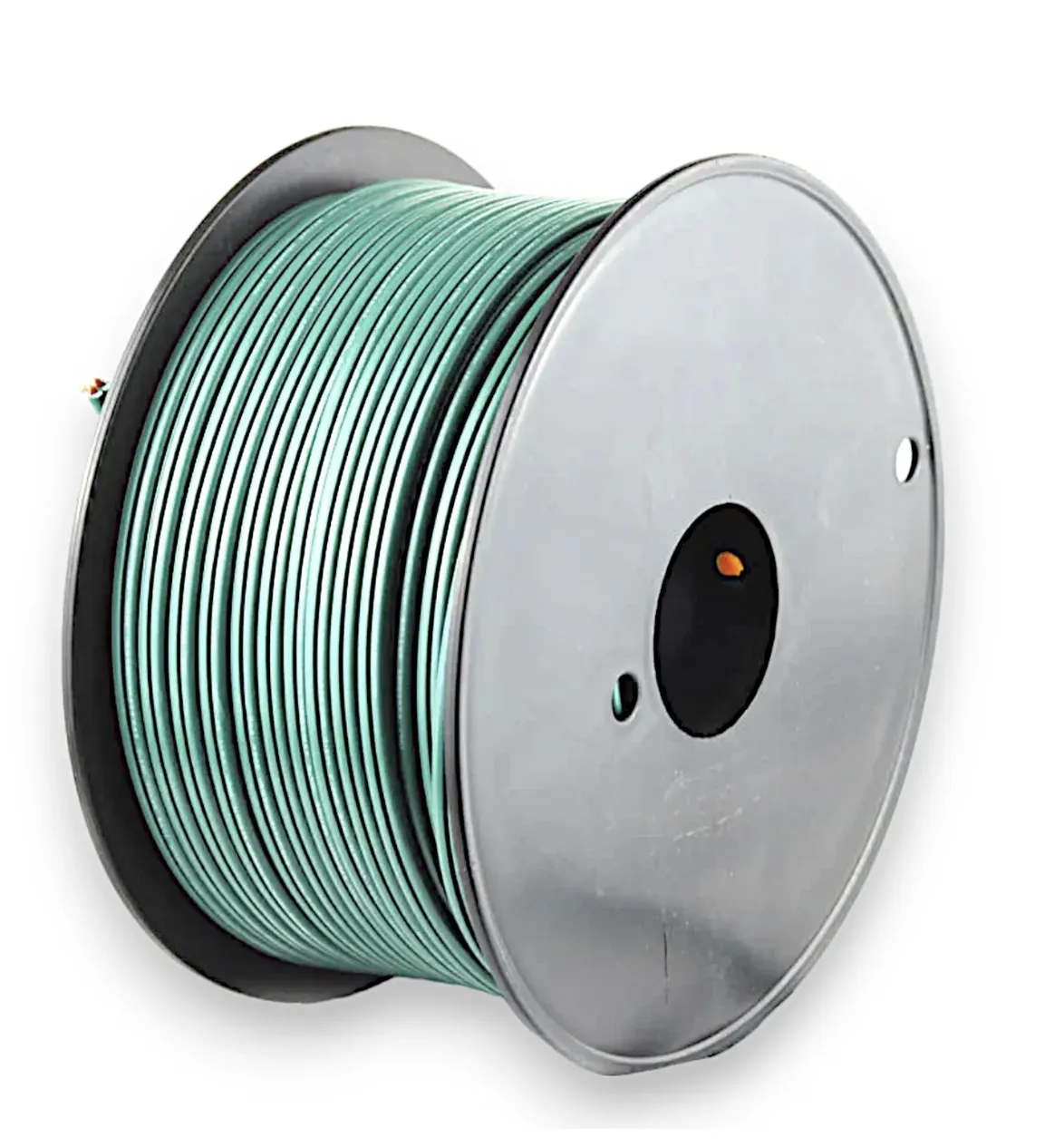
250' Zip Cord (SPT-1)
Enhance your lighting installations with our versatile 250' Spool of Lamp Cord SPT-1 Extension Wire (Zip Cord), perfect for both professional and DIY decorators. This 18-gauge, 2-conductor wire, rated for 8 amps or 960 watts, allows you to easily create custom extension cords, add jumper wires, or extend C9 and C7 stringers for rooflines and holiday displays. Its durable design suits both indoor and outdoor applications, offering reliable performance for small to large-scale projects. Available in Green, White, Brown, and Black, this easy-to-work-with zip cord provides the flexibility and durability needed for creating custom lighting solutions in any setting.
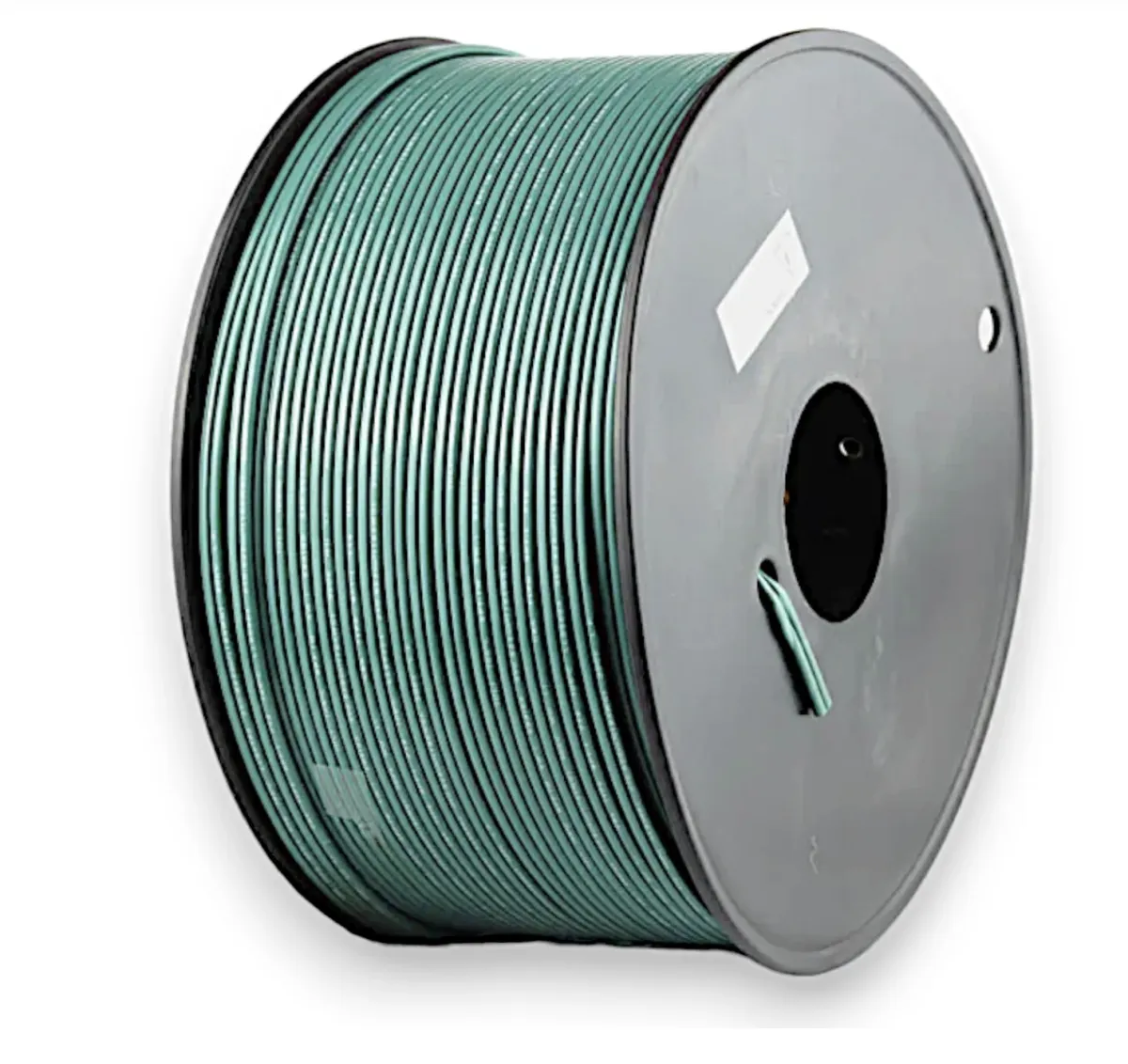
500' Green Zip Cord (SPT-1)
Our 500' Spool of Green Lamp Cord SPT-1 Extension Wire (Zip Cord) offers versatile solutions for custom lighting setups. This 18-gauge, 2-conductor wire, rated at 8 Amps or 960 Watts, is perfect for creating personalized extension cords, adding jumper wires to rooflines, or extending C9 and C7 stringers. Compatible with our SPT-1 male and female plugs (sold separately), this durable wire is suitable for both indoor and outdoor use. Whether you're a professional installer or a DIY enthusiast, this 500' spool provides ample length for various lighting projects, ensuring flexibility and efficiency in your custom lighting designs.
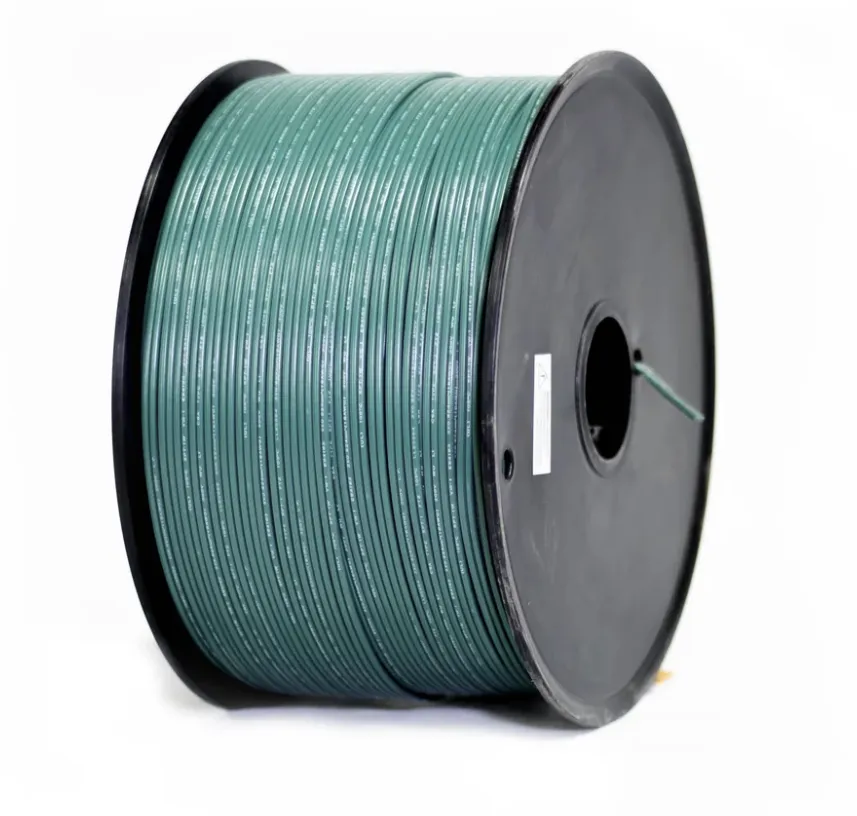
1000' Green Zip Cord (SPT-1)
Our 1000' Spool of Green Lamp Cord SPT-1 Extension Wire (Zip Cord) is a high-quality, 18-gauge, 2-conductor wire is perfect for creating custom extension cords, adding jumper wires to rooflines, or extending C9 and C7 stringers. Rated for 8 amps or 960 watts, it offers reliable performance for both residential and commercial projects. The green color blends seamlessly with outdoor foliage and durable design suits both indoor and outdoor use. Ideal for professional installers and DIY enthusiasts alike, this generous 1000' spool provides ample wire for customization, ensuring you have the right length for any project.
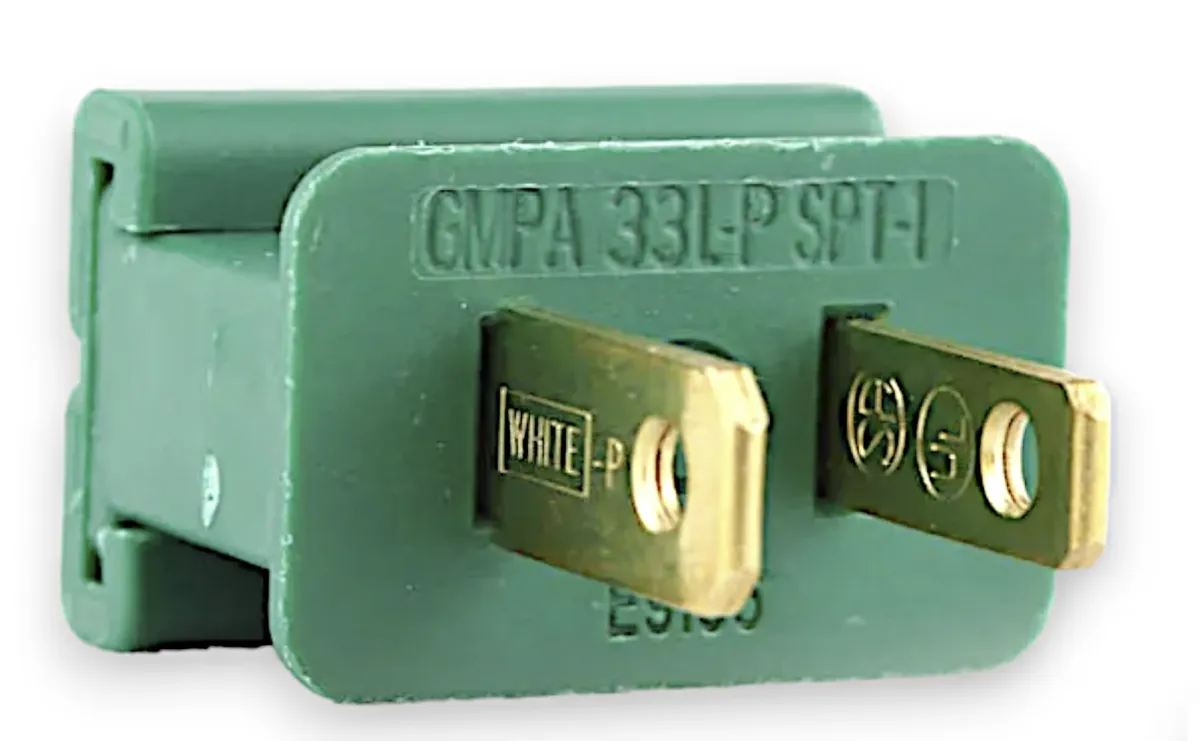
Male Gilbert Plugs SPT-1
Enhance your custom Christmas lighting projects with our SPT-1 Gilbert Male Zip Plugs, available in green, white, brown, and black. These high-quality, weather-resistant plugs are specifically designed for use with SPT-1 zip cord, making them ideal for creating custom light strings and extension cords. Featuring a 2-prong polarized design for safety and stability, these plugs are constructed from heavy-duty plastic to withstand harsh winter conditions. Unlike standard options, our male zip plugs resist bending or breaking in cold weather, ensuring straight and reliable prongs throughout the season. Perfect for both professional installers and DIY enthusiasts, these durable plugs are essential for creating long-lasting, custom Christmas light displays that perform flawlessly in any environment.
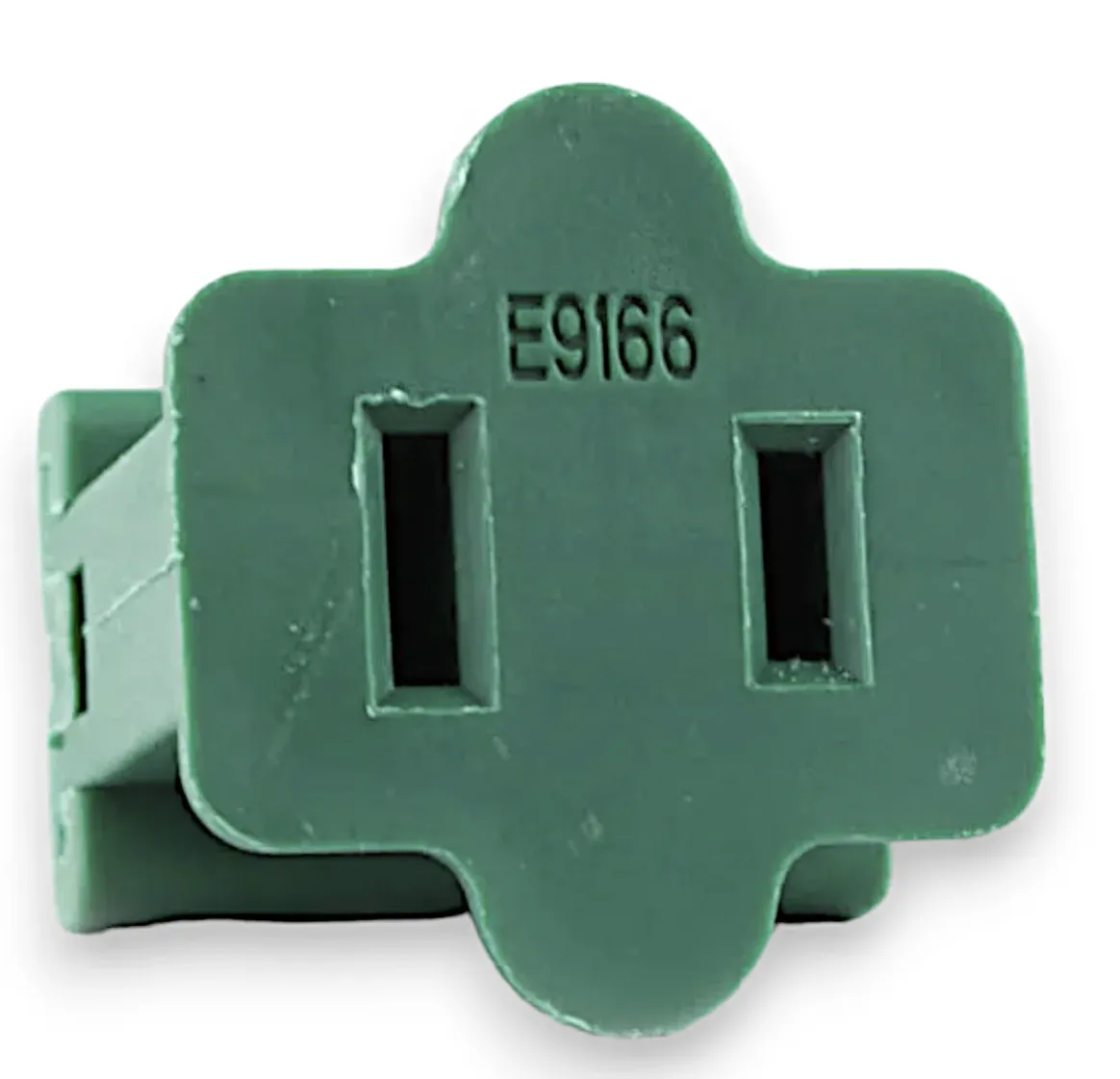
Female Gilbert Plugs SPT-1
(with Knockout Tab)
Elevate your custom Christmas lighting projects with our Female Gilbert SPT-1 Zip Plugs featuring a knockout tab, available in green, white, brown, and black. Specifically designed for SPT-1 zip cord, these durable plugs are ideal for creating reliable custom light strings and extension cords. The 2-prong polarized design ensures secure connections, while the heavy-duty plastic construction withstands harsh outdoor conditions. Unlike standard options, these plugs resist bending in cold weather, making them perfect for winter installations. Whether you're connecting light strands end-to-end or crafting custom extensions, these resilient female zip plugs offer superior performance for both professional and DIY Christmas lighting setups.
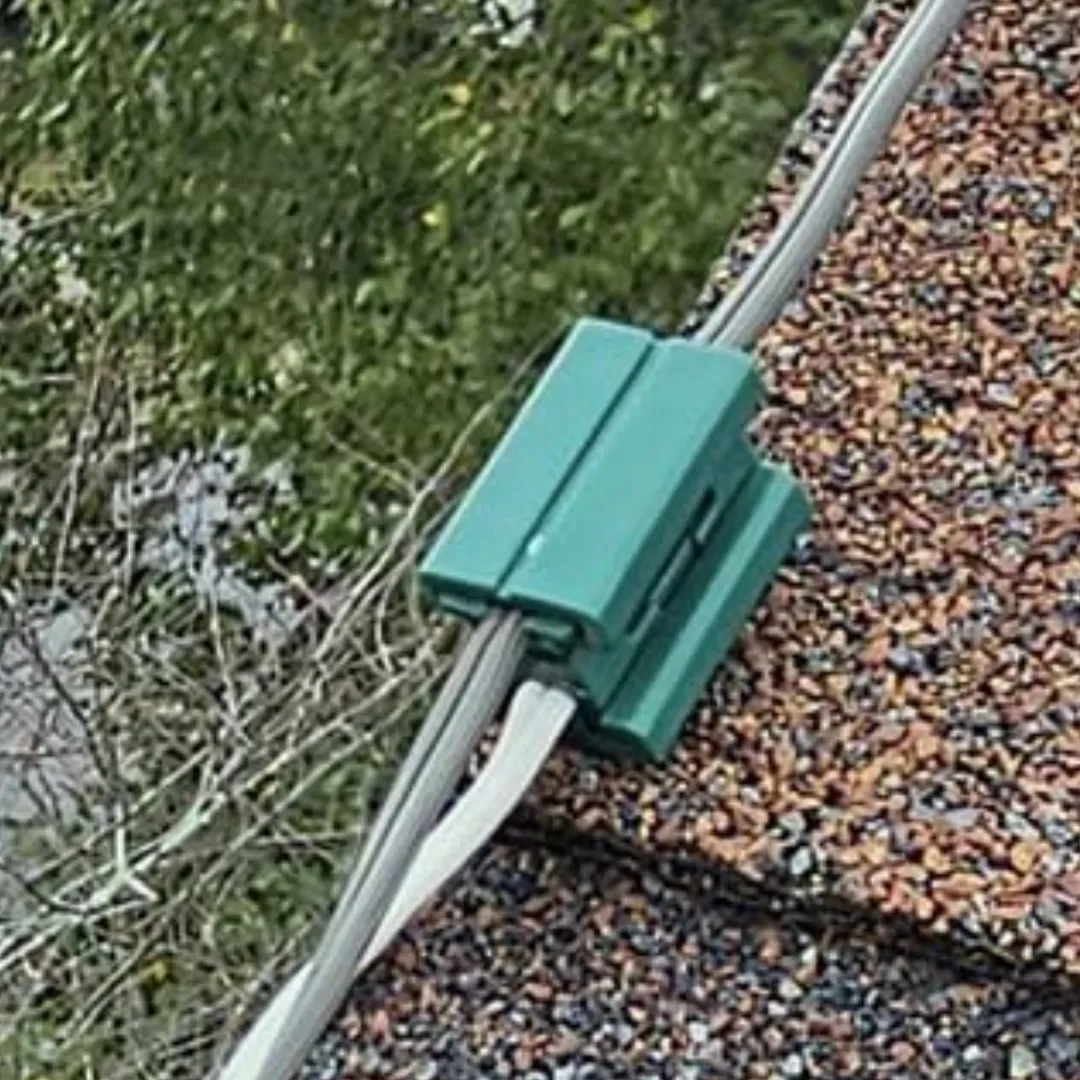
Gilbert ONE Plugs SPT-1
(with Knockout Tab)
Simplify your Christmas light installation with The One Plug, which connects two wires directly—no separate male and female plugs needed. This innovative design saves time, making your setup faster and more efficient. Built with durable plastic and sturdy prongs, it's designed to last throughout the season, ensuring reliability for any lighting project. Perfect for anyone looking to streamline their holiday light displays with ease and dependability.
SPT 2 Wires & Plugs
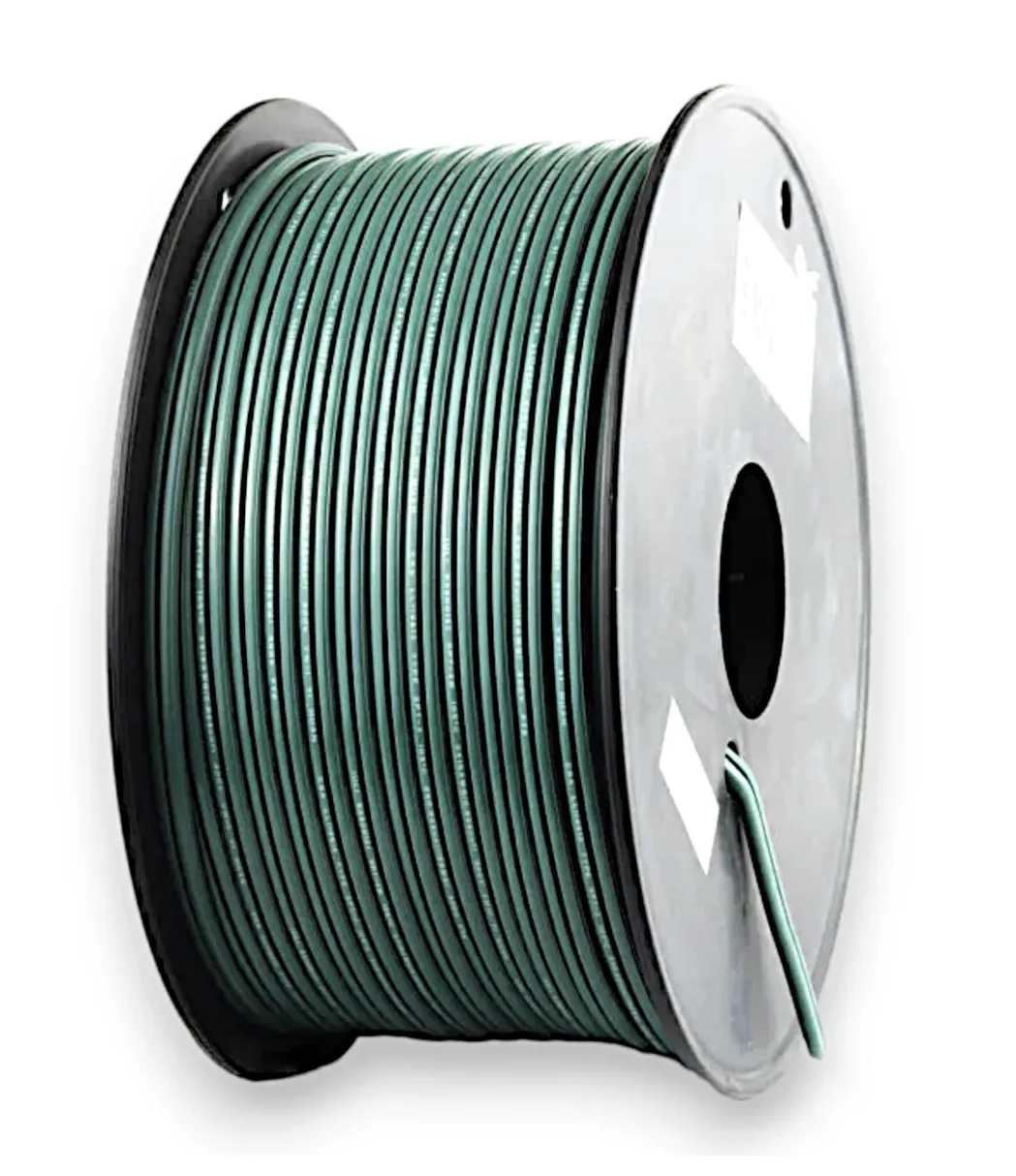
250' Zip Cord (SPT-2)
This versatile 18-gauge, 2-conductor wire is engineered for both professional installers and DIY enthusiasts, offering the durability and flexibility needed for creating custom extension cords, adding jumper wires to rooflines, or extending C9 and C7 stringers. Rated for 8 amps or 960 watts, this robust SPT-2 wire ensures powerful and safe connections for all your lighting needs. Its weather-resistant properties make it suitable for both indoor and outdoor use, allowing you to bring your creative holiday lighting visions to life in any setting. Whether you're working on a small residential project or a large-scale commercial installation, our SPT-2 Extension Wire provides the reliability and performance required to create stunning, long-lasting Christmas light displays. Available in green, white, brown & black.
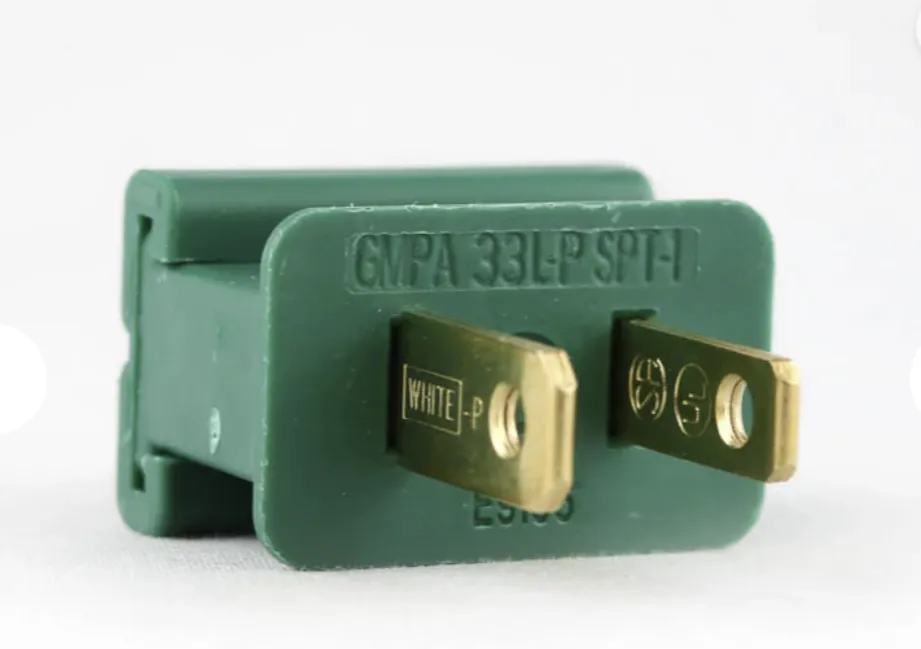
Male Plugs (SPT-2)
Elevate your custom lighting projects with our superior Male zip plugs, engineered for exceptional performance in even the harshest conditions. Unlike standard options, these plugs boast prongs that resist bending in cold weather, ensuring reliable connections throughout the winter season. Perfectly suited for creating custom Christmas light strings or tailored extension cords, these plugs attach effortlessly to the end of zip cord electrical wire. The green SPT-2 male zip plugs are specifically designed to complement green SPT-2 zip cord, offering a seamless and professional appearance. Featuring a 2-prong polarized design for safety and stability, these plugs are constructed from heavy-duty plastic to withstand the rigors of both indoor and outdoor use. Available in green and black.
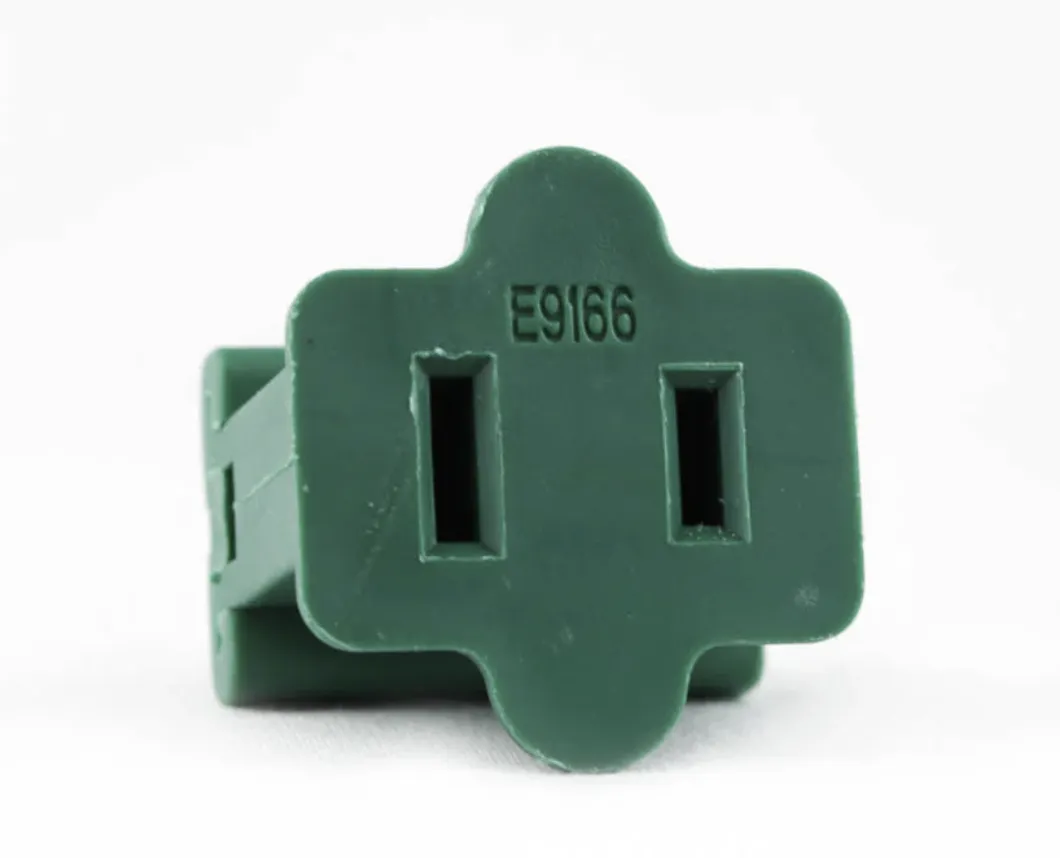
Female Plugs
(with Knockout Tab (SPT-2)
Enhance your custom lighting projects with our premium Female Gilbert SPT-2 zip plugs, designed for superior performance in all weather conditions. Unlike standard options, these plugs feature prongs that maintain their integrity even in frigid temperatures, ensuring reliable connections throughout the winter season. Perfect for creating custom Christmas light stringers or bespoke extension cords, these versatile plugs attach effortlessly to zip cord wire, allowing you to connect strands end-to-end with ease. The white SPT-2 female zip plugs are specifically tailored to complement white SPT-2 zip cord electrical wire, providing a seamless and professional appearance. Equipped with a 2-prong polarized design for safety and stability, these plugs are constructed from heavy-duty plastic..
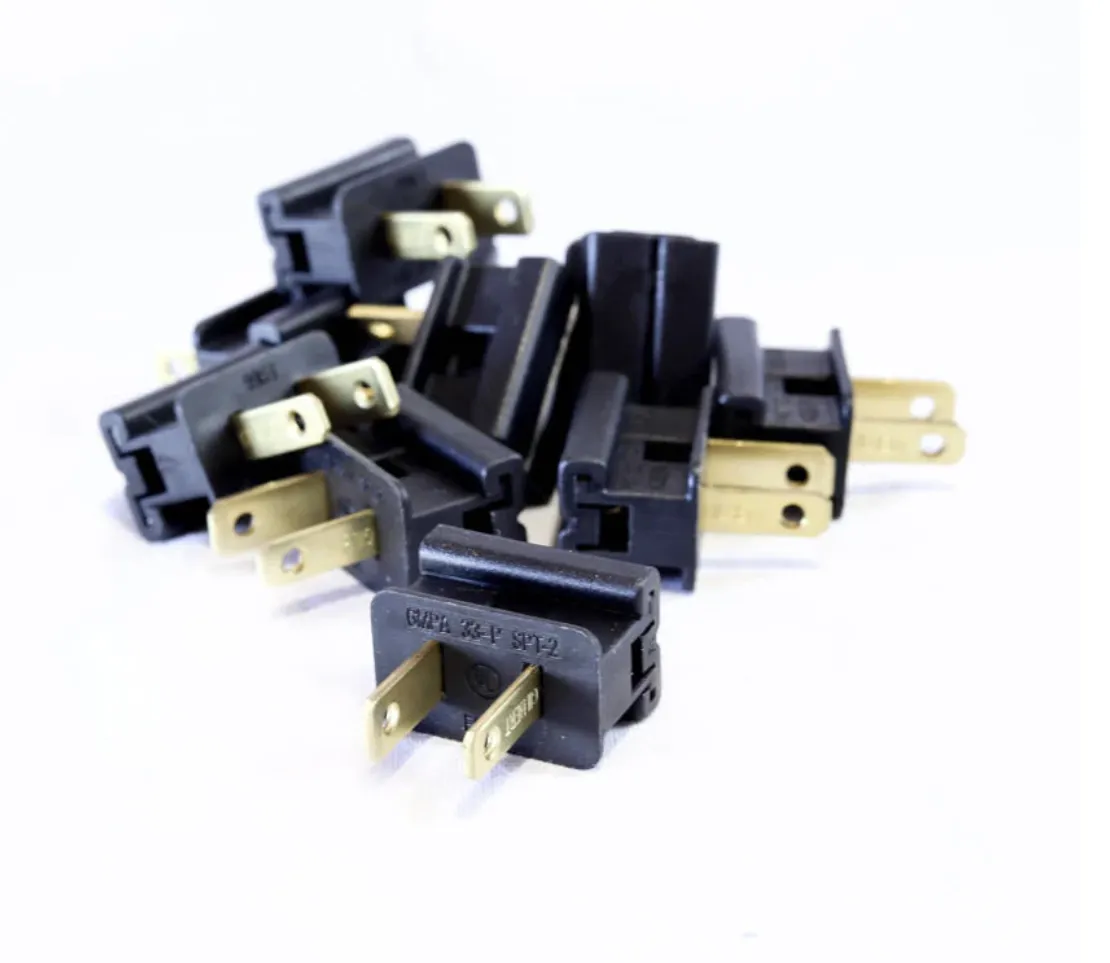
Male & Female Plugs
10 Pack (SPT-2)
Elevate your custom lighting projects with our top-of-the-line Male & Female zip plugs, engineered for unparalleled performance in all weather conditions. Unlike standard options, these plugs feature prongs that resist bending even in frigid temperatures, ensuring reliable connections throughout the winter season. Perfect for crafting custom Christmas light stringers or bespoke extension cords, these versatile plugs attach seamlessly to zip cord wire, allowing for easy end-to-end strand connections. The black SPT-2 Male & Female zip plugs are specifically designed to complement black SPT-2 zip cord electrical wire, offering a sleek and professional appearance. Featuring a 2-prong polarized design for enhanced safety and stability, these plugs are constructed from heavy-duty plastic, making them ideal for both indoor and outdoor applications.
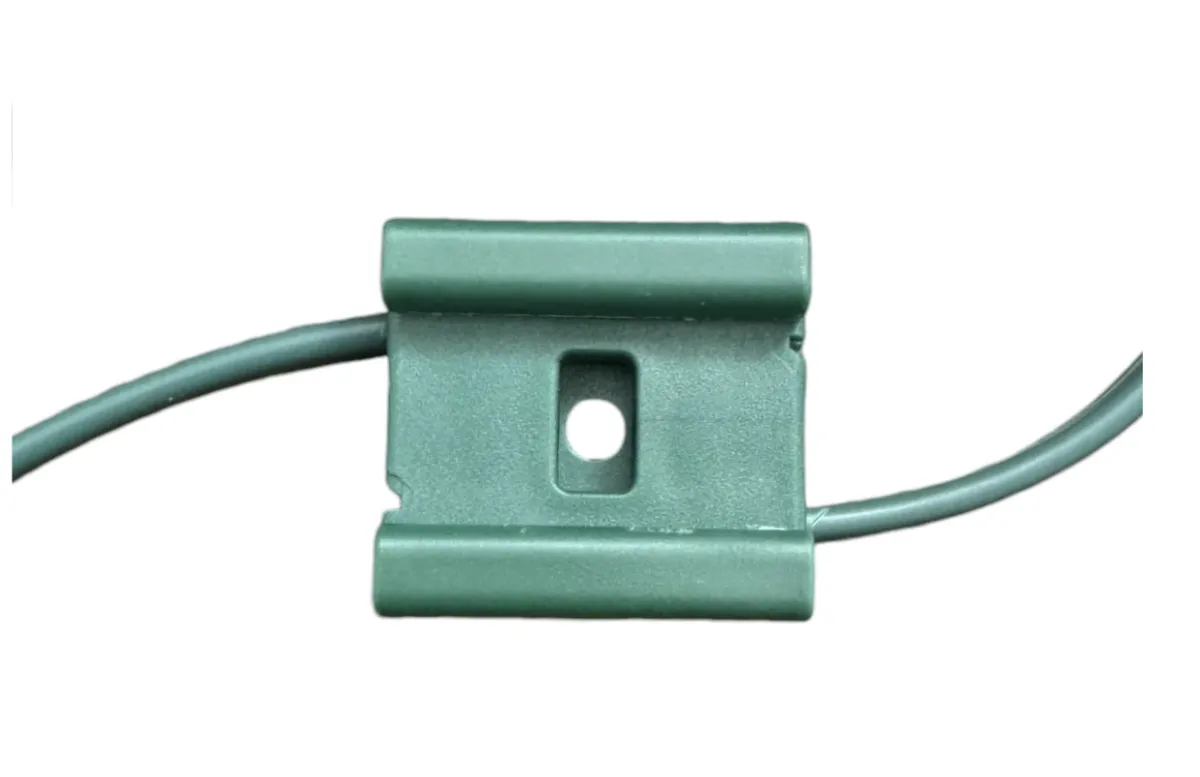
Gilbert One Plug SPT
The One Plug makes Christmas light installation a breeze by directly connecting two wires, eliminating the need for separate male and female plugs. Its efficient design saves time and speeds up your setup. Crafted from durable plastic with sturdy prongs, it's built to last all season, making it a dependable choice for any lighting project. Ideal for anyone wanting to simplify their holiday light displays with ease and confidence. Available in Green, White, Brown and Black
Misc
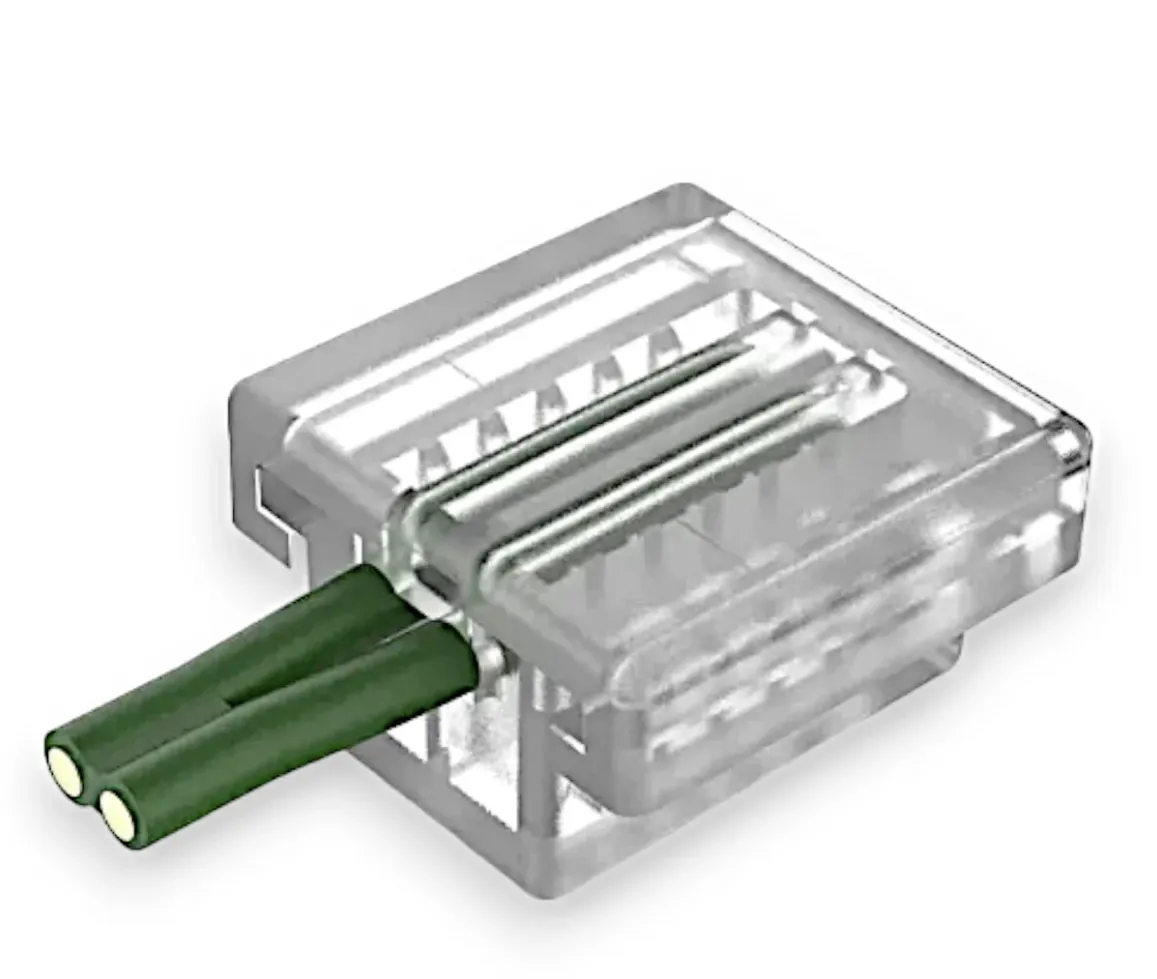
Wire Termination Cap
Enhance the safety and appearance of your lighting projects with our high-quality wire end caps, available in convenient bags of 10. These essential accessories are designed to protect the exposed ends of your wiring, preventing potential hazards and providing a clean, professional finish to your installations. Crafted from high-grade, durable materials, these end caps ensure long-lasting protection against moisture, dust, and accidental contact. Their user-friendly design allows for quick and easy application, making them ideal for both professional installers and DIY enthusiasts. Whether you're working on holiday lighting, landscape illumination, or any other wiring project, these end caps offer a simple yet effective solution for securing and safeguarding your wire ends, ensuring both safety and aesthetics in your electrical setups.
Gilbert One Plug
The One Plug makes Christmas light installation a breeze by directly connecting two wires, eliminating the need for separate male and female plugs. Its efficient design saves time and speeds up your setup. Crafted from durable plastic with sturdy prongs, it's built to last all season, making it a dependable choice for any lighting project. Ideal for anyone wanting to simplify their holiday light displays with ease and confidence. Available in Green, White, Brown and Black
Frequently Asked Questions
What's the difference between SPT-1 and SPT-2 wire?
SPT-1 wire is thinner and more flexible, ideal for lighter-duty applications and tighter spaces. SPT-2 wire has thicker insulation, making it more durable and better suited for heavier-duty outdoor use and longer runs. Both are available for custom lighting projects, but SPT-2 is generally recommended for extensive outdoor installations.
Can I use these wires and plugs for both indoor and outdoor lighting projects?
Yes, our wires and plugs are designed for both indoor and outdoor use. They're constructed with weather-resistant materials to withstand various environmental conditions. However, always ensure proper installation and follow safety guidelines for outdoor electrical setups.
How do I choose the right color of wire and plugs for my project?
Choose wire and plug colors that match or complement your installation surface. Green wires blend well with foliage, white is great for light-colored surfaces, and black offers a sleek look against dark backgrounds. Matching colors also helps create a more professional, seamless appearance in your lighting display.
What's the advantage of using Gilbert plugs over standard plugs?
Gilbert plugs are known for their superior durability and cold weather performance. Unlike standard plugs, Gilbert plugs resist bending and breaking in low temperatures, making them ideal for outdoor winter installations. They also provide a more secure connection, reducing the risk of disconnection or electrical issues.
How many lights can I safely connect using your SPT-2 wire?
Our SPT-2 wire is typically rated for 8 amps or 960 watts. The number of lights you can safely connect depends on the wattage of your bulbs. For example, using 5-watt bulbs, you could connect up to 192 lights. Always check the wattage of your specific bulbs and never exceed the wire's rated capacity to ensure safety.
Discover Expert Tips on Our Blog

Grow Your Christmas Lights Business in 2026
If you're running an established Christmas lights installation business, the question you're asking yourself right now isn't whether you can grow—it's how to grow strategically. After more than a decade working in this industry and helping thousands of business owners scale from small operations to six and seven-figure enterprises, I've identified the exact strategies that separate businesses making six figures from those struggling to break $50,000 annually.
The difference isn't the market. It's not your area. It's your strategy, your pricing, and most importantly, your mindset about what you can achieve.
Understanding the Real Challenge: Lead Flow and Pricing
When business owners ask about growth, they typically focus on a single question: "How do I get more phone calls?" This is the right question to ask, but it's only half the equation. The complete equation is: How do I consistently generate leads AND convert them at premium pricing?
Many established Christmas lights businesses are trapped in a pricing ceiling because they don't believe they can charge more. I've worked with business owners in Texas, Missouri, Kentucky, and throughout the country. The most common objection I hear is, "Jason, you can't get $8 per foot in my area." Yet when I dig deeper, I find that these same business owners occasionally land jobs at exactly that rate—they just don't believe it's repeatable.
Here's what you need to understand: Dallas-Fort Worth has 7.7 million people. Houston has over 7 million. Yet the entire state of Kentucky has only 4 million residents. If higher pricing is possible in lower-population areas, it's absolutely possible in yours. The limiting factor isn't your market—it's what exists between your ears.
The Three Marketing Pillars That Actually Drive Revenue
After analyzing which marketing methods generate the highest return on investment, the data is clear. The top three money-makers for Christmas lights businesses are:
1. Yard Signs: The Underestimated Lead Generation Machine
Yard signs are the most overlooked and underutilized marketing tool in the Christmas lights industry, despite delivering some of the strongest returns. Here's what the data shows:
Yard Sign Fundamentals:
They work consistently across different markets and seasons
The ROI is measurable and repeatable
I can show you over 100 business owners who've reached six figures using yard signs as their primary lead source
Your cost per sign is typically $3, making the barrier to entry low
Implementation Strategy: The key to yard sign success isn't simply buying 400 signs and distributing them sporadically. Instead, implement a structured deployment system:
Target 50-100 yard signs per week during your peak season
For a three-month campaign (March through May), plan to deploy 600-800 signs total
Focus distribution in specific neighborhoods rather than spreading too thinly across your entire service area
Maintain consistent replacement as signs get removed or weather deteriorates
Why Yard Signs Outperform Other Methods: Most business owners underestimate yard signs because they don't require ongoing monthly fees. You make a one-time investment, and the sign continues working. This means your ROI compounds over time. More importantly, yard signs create visual proof of your work—when potential customers see your sign in their neighborhood, they know that actual families in their area trust you.

2. Google Ads: Capturing High-Intent Searches
Google Ads complement yard signs perfectly because they capture a different buyer psychology. While yard signs reach people passively (creating awareness), Google Ads reach people actively searching for Christmas lights installation.
Budget Allocation: If you have $10,000 to invest across your peak season (March through May), here's how I would structure it:
Yard Signs: $5,000 (800 signs at $3-5 per sign, plus distribution)
Google Ads: $5,000 (distributed across 20-60 days at $100-250 per day)
This allocation assumes you're managing your Google Ads properly. If you're hiring someone to manage them, reduce the ad spend by 20-30% to cover their fee.
Google Ads Best Practices:
Don't run ads seven days a week; focus on Monday through Saturday
Review campaigns daily to optimize bid amounts and keywords
Include location-specific keywords in your ad copy
Highlight your average price point to attract customers willing to pay premium rates
Test different messaging angles (curb appeal, safety, energy efficiency, professional installation)
3. Google Local Services Ads: The Premium Option
Google Local Services Ads (LSA) are particularly effective for Christmas lights because they appear at the very top of Google searches and carry Google's endorsement. This builds immediate trust with potential customers.
Why LSA Works:
Appears above regular Google Ads
You only pay when someone calls you directly
Google handles the initial screening, reducing tire-kickers
Perfect for premium pricing because it attracts higher-budget customers
The Pricing Conversation: Why You're Leaving Money on the Table
This is where mindset directly impacts revenue. I work with two Christmas lights installers in the same metropolitan area, both with equal experience and equipment. One operates at $1,200-1,500 per installation. The other operates at $3,000-4,000 per installation. The difference isn't skill—it's belief.
Moving Beyond Square Footage Pricing
Most struggling Christmas lights businesses charge by the square foot: 25 cents per foot, 28 cents per foot, maybe 35 cents. This commoditizes your work and anchors customers to the lowest price. Instead, use package-based pricing with a tiered structure.
Recommended Package Structure:
The Minimum Package (Previously Called "Basic")
House outline only
Standard C9 LED lights
Professional installation
Price: $1,200-1,500
The Better Package (Previously Called "Standard")
House outline
Soffit line accent
Professional installation
Upgrade to premium warm-white LEDs
Price: $2,000-2,500
The Best Package (Previously Called "Premium")
Full house coverage
Accent lighting for landscaping
Roof peaks and details
Gutter line coverage
Premium warm-white LED lights
Price: $3,000-4,500
By naming your entry-level option the "Minimum Package," you psychologically position everything else as a bonus upgrade rather than a separate option. This simple language change increases average ticket value by 15-25%.
The Cost and Value Conversation
When customers ask about pricing, they're actually asking about value. This is where transparency becomes an authority signal. Rather than avoiding the pricing conversation, embrace it.
In your initial consultation, discuss:
What drives costs up (square footage, roof complexity, light type selection, installation difficulty)
What drives costs down (simple rectangular homes, ground-level installation, customer flexibility on dates)
Why premium lighting costs more (lifespan, energy efficiency, aesthetic quality)
What factors affect installation time and labor cost
This positions you as an expert who understands pricing, not as a business afraid to discuss money.
Timing Your Launch: When to Deploy Your Marketing
One of the most frequently asked questions is: "When should I start putting out yard signs?" The answer reveals an important principle about customer psychology.
The First Grass Mowing Rule: Customers don't think about their outdoor appearance until they're forced outside to confront it. The perfect time to launch your marketing is approximately one week before the first grass mowing of spring. When homeowners are outside mowing their grass and looking at their home's exterior, they see the dirt, the dullness, and the need for a fresh appearance.
In 2026, this timeline has shifted later than usual. Most markets won't see consistent grass mowing until early April due to weather patterns. This means your yard sign deployment and Google Ads should activate in late March to early April, not mid-March.
Regional Considerations:
Florida: Timing is less critical due to year-round outdoor activity
Northern states: First grass mowing may be late April or early May
Southern states: Typically late March through April
Monitor your area's weather patterns rather than assuming a fixed date
Building Your Lead Generation System
Success in 2026 requires a systematic approach to lead generation. This means:
Consistent Execution
Deploy yard signs on a regular schedule (50-100 per week during peak season)
Run Google Ads continuously across your entire peak season
Update your Google Business Profile three times per week
Respond to all leads within 2 hours during business hours
Measuring What Works
Track your phone calls by source:
How many from yard signs?
How many from Google Ads?
How many from Google Local Services?
How many from referrals?
Once you identify your highest-ROI channel, allocate more budget there. I've seen yard signs generate 40% of revenue from only 25% of marketing budget. That's a signal to increase investment, not decrease it.
Avoiding the Multi-Channel Trap
Many business owners try to be everywhere: Facebook, TikTok, Instagram, LinkedIn, YouTube, and Google simultaneously. The result is mediocrity across all channels rather than excellence in any channel.
Instead, identify your top two channels and dominate them. For most established Christmas lights businesses, this means yard signs plus either Google Ads or Google Local Services. Once you're consistently generating more leads than you can handle, consider expanding.

Premium Positioning: The Power of Personal Branding
In 2026, personal branding is as important as business branding—often more so. Customers don't hire businesses; they hire people they trust. This means:
Visual Proof on Every Platform
Feature your team on your website with professional photos
Show your employees in clean, branded uniforms
Display before-and-after photos of completed installations
Post project photos on Google Business Profile weekly
Use LinkedIn to share industry insights and completed projects
Why This Matters
Approximately 70-80% of customers requesting Christmas lights installation are women. Their primary concern isn't the technical quality of installation—it's safety. Do they trust this crew in their home? Will they treat the property with respect? Do they look professional and trustworthy?
When your website shows a professional team with clean uniforms, well-maintained vehicles, and quality work photos, you answer the trust question before the first conversation.
The Authority Signal of High Pricing
Paradoxically, charging premium prices actually builds trust. Customers assume that expensive services are expensive because they're superior. A Christmas lights installation at $3,500 suggests premium quality. An installation at $500 raises questions about quality.
This doesn't mean being expensive in absolute terms—it means being expensive relative to your competitors, which signals confidence in your work.
Scaling Your System: From $50,000 to $100,000+
The path from $50,000 annual revenue to $100,000+ is straightforward:
Current State: $50,000 revenue typically means 40-50 installations at $1,000-1,200 average Target State: $100,000 revenue means 30-35 installations at $2,800-3,300 average
You need fewer jobs at higher prices. This is achieved through:
Better lead qualification: Not every lead is a good fit
Premium positioning: Target neighborhoods with higher home values
Consultative selling: Spend more time understanding customer desires, less time pitching cheap options
Package emphasis: Lead with your premium package, not your minimum package
Confidence in pricing: If you hesitate when quoting, so will your customer
Avoiding Common Mistakes
Mistake #1: Spreading Marketing Budget Too Thin
$10,000 across five channels = $2,000 per channel = insufficient to see results in any channel $10,000 concentrated in two channels = $5,000 per channel = enough budget to test, measure, and optimize
Mistake #2: Inconsistent Execution
Putting out 50 yard signs once and expecting results is like running Google Ads for two weeks and expecting sustained lead generation. Marketing compounds. Consistency is non-negotiable.
Mistake #3: Competing on Price
Every market has someone cheaper. You cannot win a price war. Instead, win on quality, service, presentation, and trust. These cannot be undercut.
Mistake #4: Not Setting Clear Goals
"I want to make more money" isn't a strategy. "I want to generate $100,000 in revenue in 2026" is. Once you have a number, you can work backward: How many jobs? What average price? What lead volume is required?
Your Action Plan for 2026
Month 1 (January):
Audit your current marketing channels and ROI
Set specific revenue goals for the year
Order yard signs and plan distribution schedule
Set up Google Ads if not already running
Update Google Business Profile with 2025 photos
Month 2 (February):
Begin yard sign deployment
Launch or optimize Google Ads
Implement package-based pricing structure
Train team on consultative selling approach
Update website with professional team photos
Month 3+ (March onward):
Execute consistently on your two primary marketing channels
Track and measure results by source
Adjust budget allocation based on performance
Scale what's working
Respond to all leads within 2 hours

FAQ 1: How many yard signs should I order to start?
Answer: For a three-month peak season campaign, order 600-800 signs. This allows for 50-100 signs deployed per week with replacements as signs are removed or damaged. If you're uncertain about demand, start with 400 and reorder after measuring results.
FAQ 2: What's the minimum Google Ads budget to see meaningful results?
Answer: Realistically, you need $1,500-2,000 per month during peak season to gather sufficient data. At $100 per day across 20 days, you'll receive enough calls to measure ROI. Start with $2,500 across your first month (March) and adjust based on cost-per-lead and conversion rates.
FAQ 3: Should I use Google Local Services Ads or Google Search Ads?
Answer: Use both if your budget allows, but if choosing one, start with Google Search Ads. LSA has higher per-call costs but better quality leads. Many businesses use Google Search Ads to capture high-volume searches, then use LSA to boost visibility during peak weeks.
FAQ 4: What's the best yard sign design?
Answer: Keep it simple. Include your company name, a phone number in large text, and 1-2 benefit statements ("Professional Installation" or "Licensed & Insured"). Avoid cluttering with too much text. Bright lime green with black text provides good contrast but avoid green if your target area has lots of grass—neutral colors often perform better.
FAQ 5: How do I know if my average price is competitive?
Answer: Competitive doesn't mean cheapest. Research 3-5 competing installers in your area and note their starting prices. Position yourself in the middle to upper range if your work quality justifies it. Remember: premium positioning attracts serious customers; cheap pricing attracts price-shoppers.
FAQ 6: When should I stop running marketing campaigns if I'm fully booked?
Answer: Don't stop; reduce your spend. Continue at 25-30% of your normal budget to maintain lead flow for next season and to fill cancellations. Restarting campaigns from zero is more expensive than maintaining consistent presence.
FAQ 7: Should I be on Facebook, Instagram, and TikTok?
Answer: Not necessarily. Most established Christmas lights businesses see better ROI from Google Ads and yard signs than from social media. If social media is taking away from your focus on these two channels, skip it. Consistency beats breadth.
FAQ 8: How do I justify higher pricing to customers who've seen cheaper quotes?
Answer: Don't compete on price; compete on value. In your estimate, show exactly what's included: professional installation, premium LED technology, warranty coverage, post-season removal, and professional project management. Explain why each element costs what it does. Let the customer choose quality or price—don't apologize for choosing quality.
FAQ 9: What's the best way to follow up with leads who don't immediately book?
Answer: Create a three-step follow-up sequence: Day 1 (within 24 hours) send a thank-you email with photos of recent work, Day 4 send a customer testimonial highlighting similar project types, Day 7 send a special offer if you're offering seasonal discounts. Most jobs are booked on the second or third contact, not the first.
FAQ 10: How long until I see results from marketing changes?
Answer: Yard signs take 2-4 weeks to generate calls due to the time it takes for visibility and customer decision-making. Google Ads begin generating immediate results but need 2-3 weeks of data to optimize. Most marketing initiatives require at least 30 days of consistent execution before ROI becomes clear. Don't adjust too frequently.
The Bottom Line
Your success in 2026 isn't determined by the market, your competition, or your location. It's determined by your willingness to execute consistently on proven strategies and your belief that you deserve premium pricing for premium work.
Focus on getting the phone to ring (through yard signs, Google Ads, and Google Local Services) and answering that phone with confidence (through great service and premium positioning). Master these fundamentals before chasing new marketing channels. This is the path to scaling from $50,000 to $100,000+ in annual revenue.
Start today. Consistency is the only variable you control.

Copyright ©2026 All Right Reserved website designed by christmaslights.io
Terms of Service / Privacy Policy
Have questions or need assistance?
Contact us at (855)619-LITE