
Professional-Grade Wires and Plugs
for Custom Lighting Solutions
Welcome to our comprehensive collection of high-quality wires and plugs, designed to empower both professional installers and passionate DIY enthusiasts. These essential components form the foundation of any exceptional lighting display, offering the versatility and durability needed to bring your creative visions to life. From bulk spools of SPT-1 and SPT-2 wire to weather-resistant Gilbert plugs and convenient end caps, our range caters to all your custom lighting needs. Whether you're crafting intricate holiday displays, enhancing landscape lighting, or tackling large-scale commercial projects, our professional-grade wires and plugs ensure reliable performance and seamless integration. Explore our selection and discover the perfect electrical components to elevate your lighting installations, combining safety, efficiency, and aesthetic appeal in every project.
SPT 1 Wire & Plugs
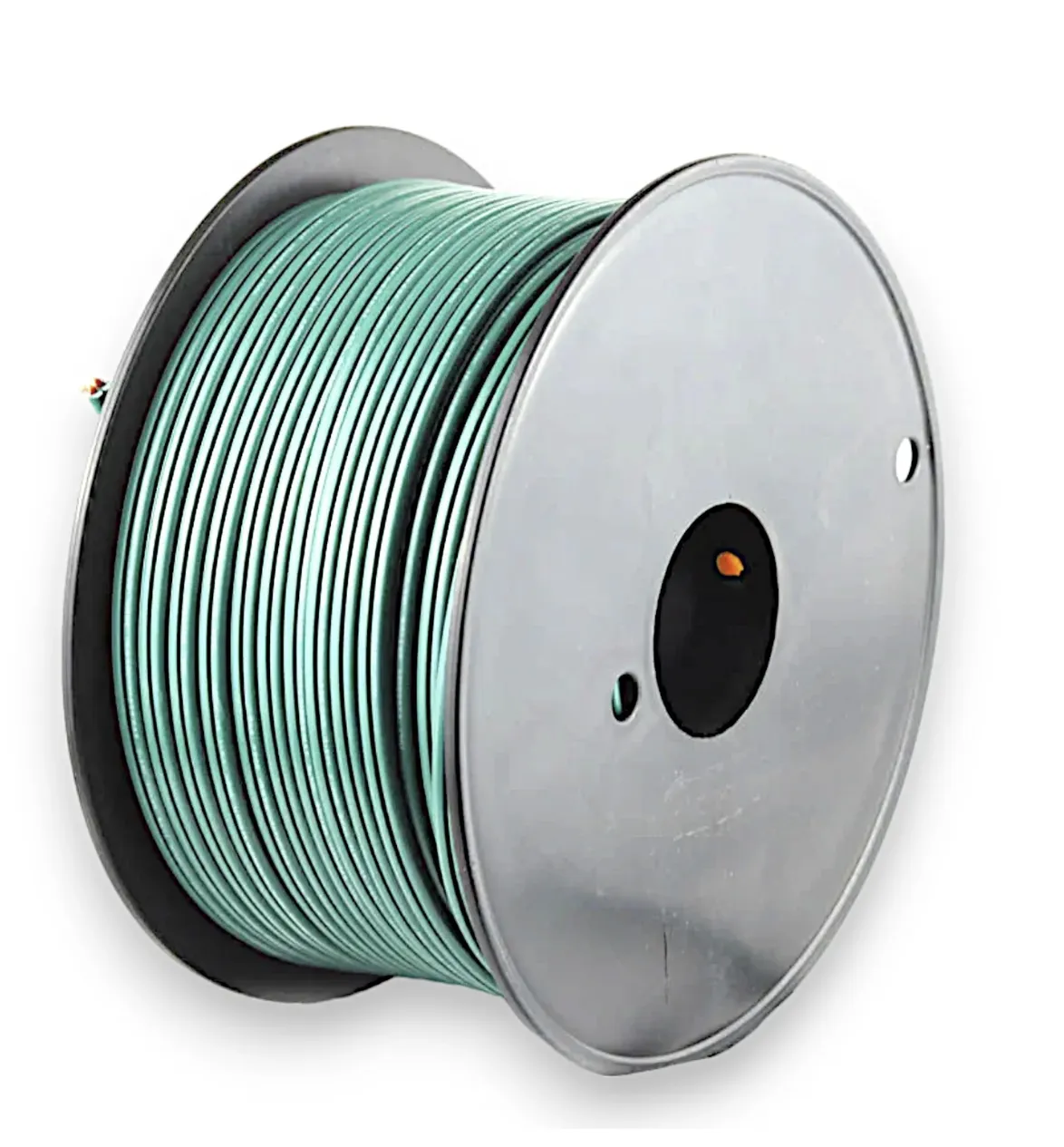
250' Zip Cord (SPT-1)
Enhance your lighting installations with our versatile 250' Spool of Lamp Cord SPT-1 Extension Wire (Zip Cord), perfect for both professional and DIY decorators. This 18-gauge, 2-conductor wire, rated for 8 amps or 960 watts, allows you to easily create custom extension cords, add jumper wires, or extend C9 and C7 stringers for rooflines and holiday displays. Its durable design suits both indoor and outdoor applications, offering reliable performance for small to large-scale projects. Available in Green, White, Brown, and Black, this easy-to-work-with zip cord provides the flexibility and durability needed for creating custom lighting solutions in any setting.
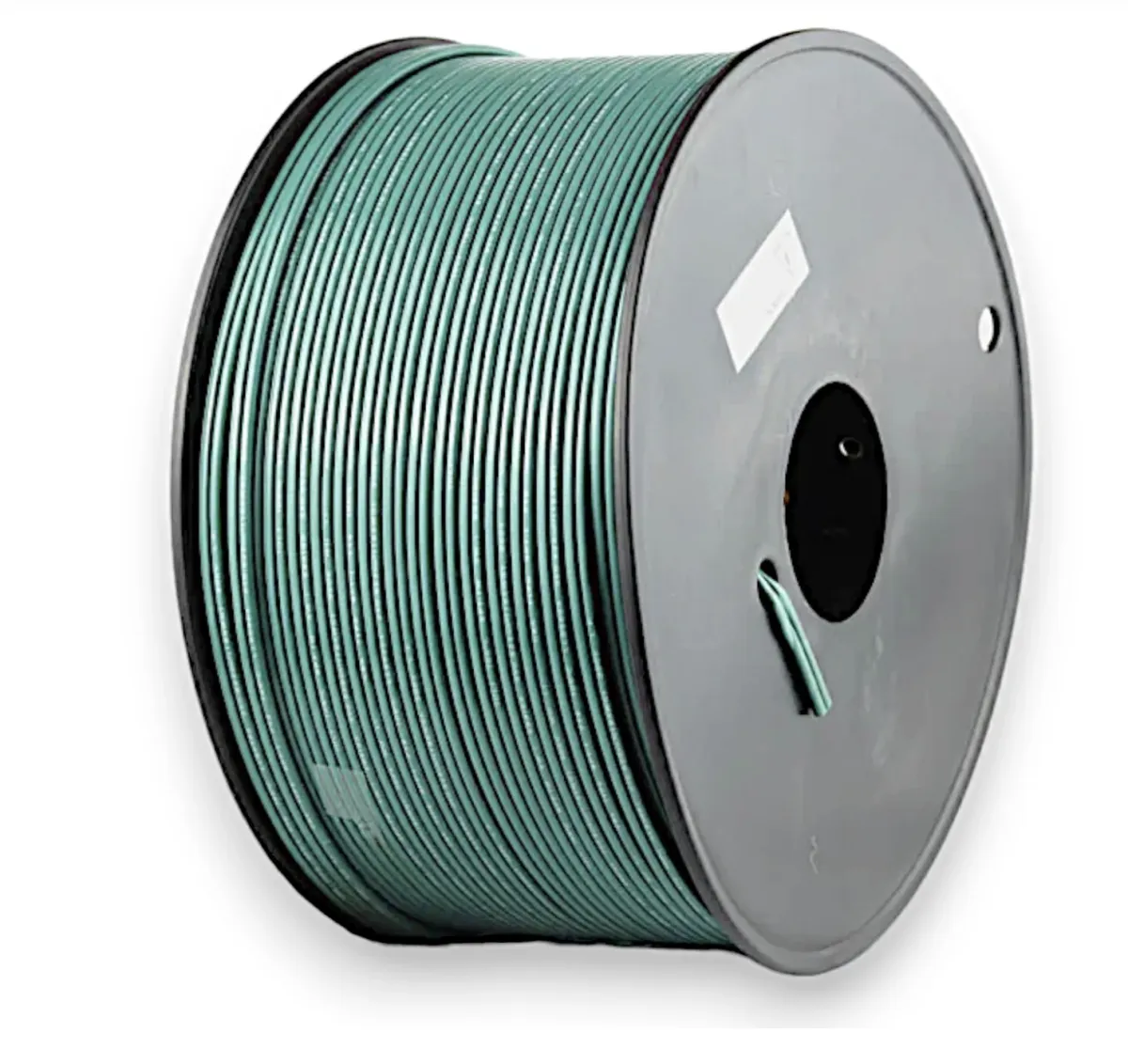
500' Green Zip Cord (SPT-1)
Our 500' Spool of Green Lamp Cord SPT-1 Extension Wire (Zip Cord) offers versatile solutions for custom lighting setups. This 18-gauge, 2-conductor wire, rated at 8 Amps or 960 Watts, is perfect for creating personalized extension cords, adding jumper wires to rooflines, or extending C9 and C7 stringers. Compatible with our SPT-1 male and female plugs (sold separately), this durable wire is suitable for both indoor and outdoor use. Whether you're a professional installer or a DIY enthusiast, this 500' spool provides ample length for various lighting projects, ensuring flexibility and efficiency in your custom lighting designs.
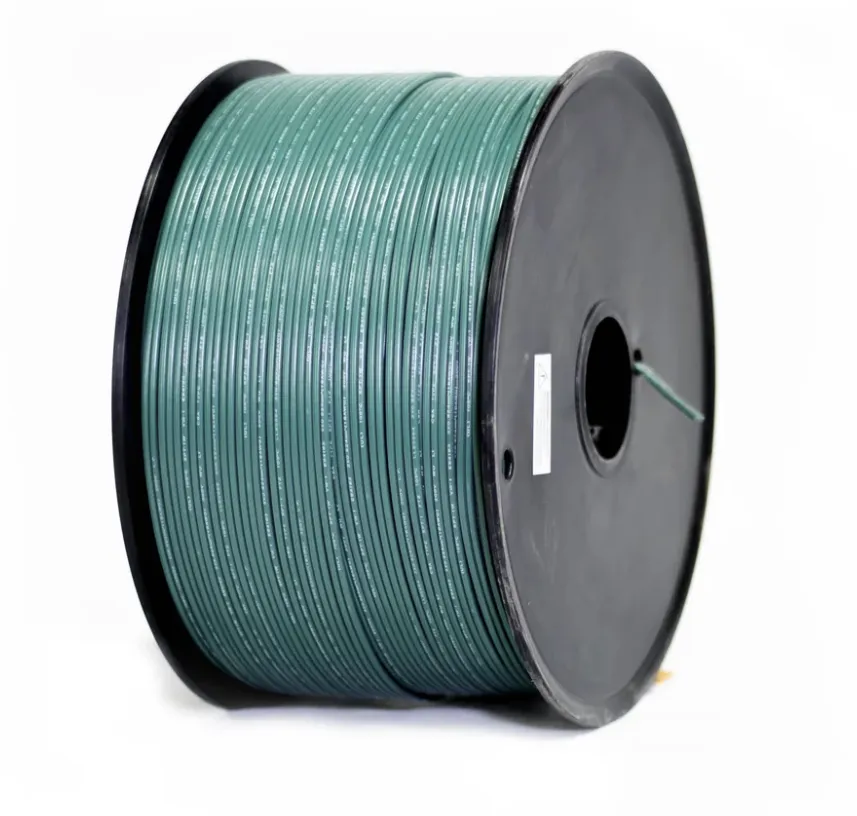
1000' Green Zip Cord (SPT-1)
Our 1000' Spool of Green Lamp Cord SPT-1 Extension Wire (Zip Cord) is a high-quality, 18-gauge, 2-conductor wire is perfect for creating custom extension cords, adding jumper wires to rooflines, or extending C9 and C7 stringers. Rated for 8 amps or 960 watts, it offers reliable performance for both residential and commercial projects. The green color blends seamlessly with outdoor foliage and durable design suits both indoor and outdoor use. Ideal for professional installers and DIY enthusiasts alike, this generous 1000' spool provides ample wire for customization, ensuring you have the right length for any project.
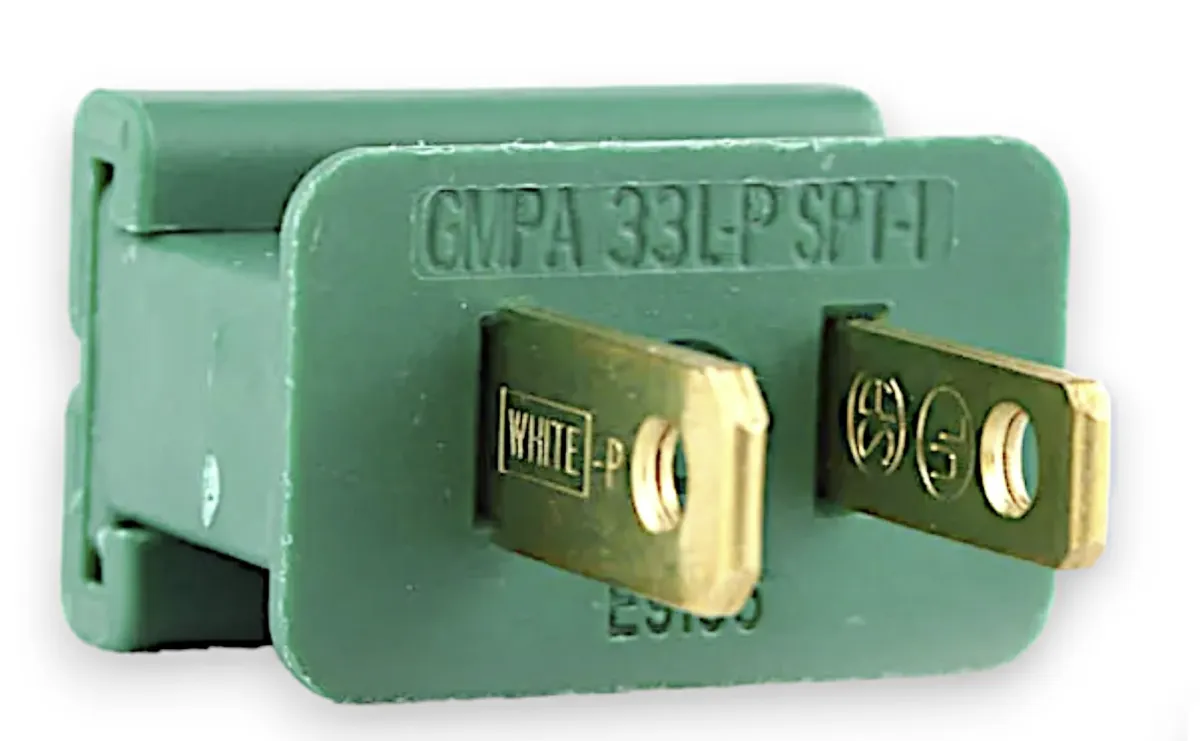
Male Gilbert Plugs SPT-1
Enhance your custom Christmas lighting projects with our SPT-1 Gilbert Male Zip Plugs, available in green, white, brown, and black. These high-quality, weather-resistant plugs are specifically designed for use with SPT-1 zip cord, making them ideal for creating custom light strings and extension cords. Featuring a 2-prong polarized design for safety and stability, these plugs are constructed from heavy-duty plastic to withstand harsh winter conditions. Unlike standard options, our male zip plugs resist bending or breaking in cold weather, ensuring straight and reliable prongs throughout the season. Perfect for both professional installers and DIY enthusiasts, these durable plugs are essential for creating long-lasting, custom Christmas light displays that perform flawlessly in any environment.
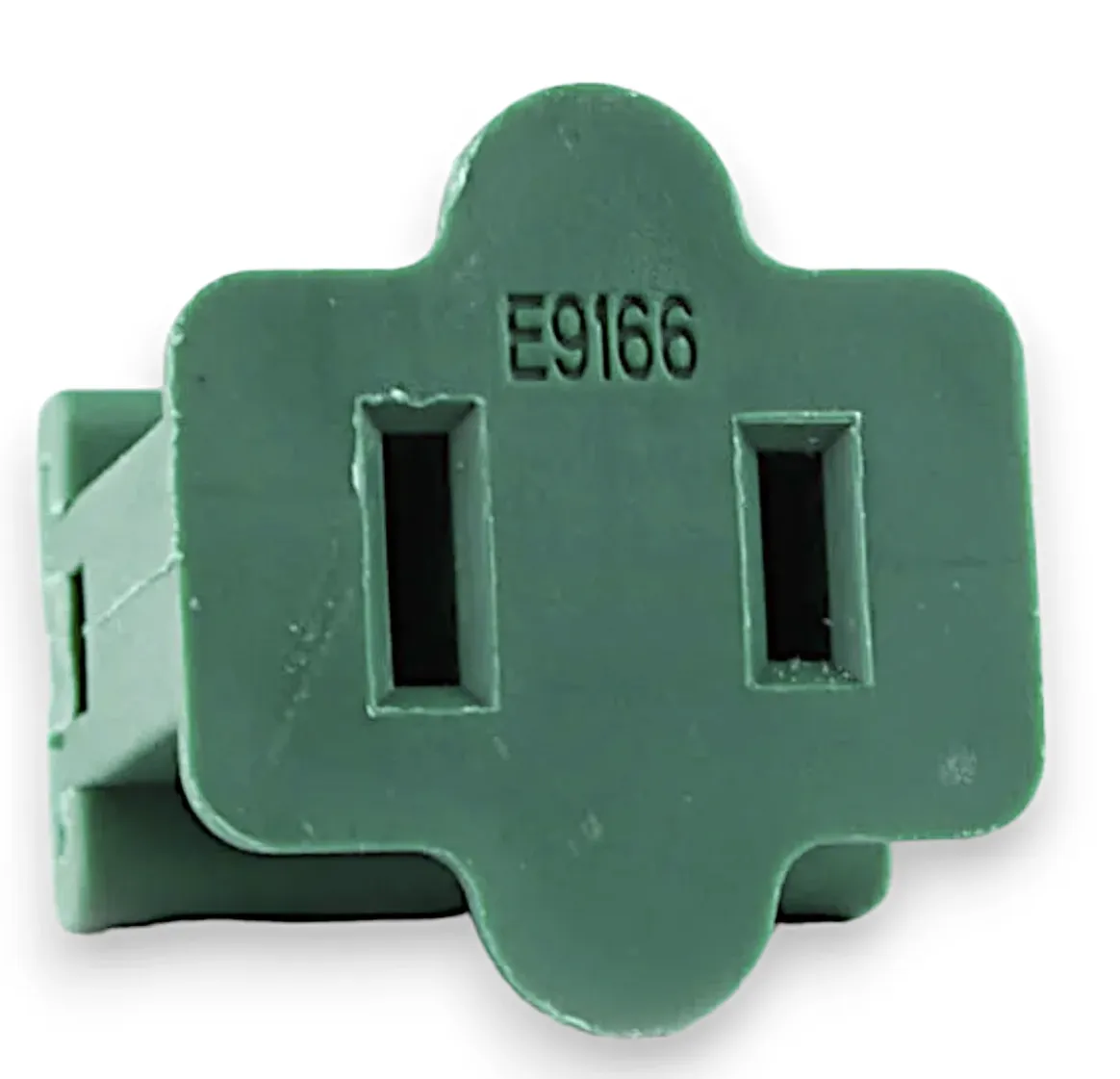
Female Gilbert Plugs SPT-1
(with Knockout Tab)
Elevate your custom Christmas lighting projects with our Female Gilbert SPT-1 Zip Plugs featuring a knockout tab, available in green, white, brown, and black. Specifically designed for SPT-1 zip cord, these durable plugs are ideal for creating reliable custom light strings and extension cords. The 2-prong polarized design ensures secure connections, while the heavy-duty plastic construction withstands harsh outdoor conditions. Unlike standard options, these plugs resist bending in cold weather, making them perfect for winter installations. Whether you're connecting light strands end-to-end or crafting custom extensions, these resilient female zip plugs offer superior performance for both professional and DIY Christmas lighting setups.
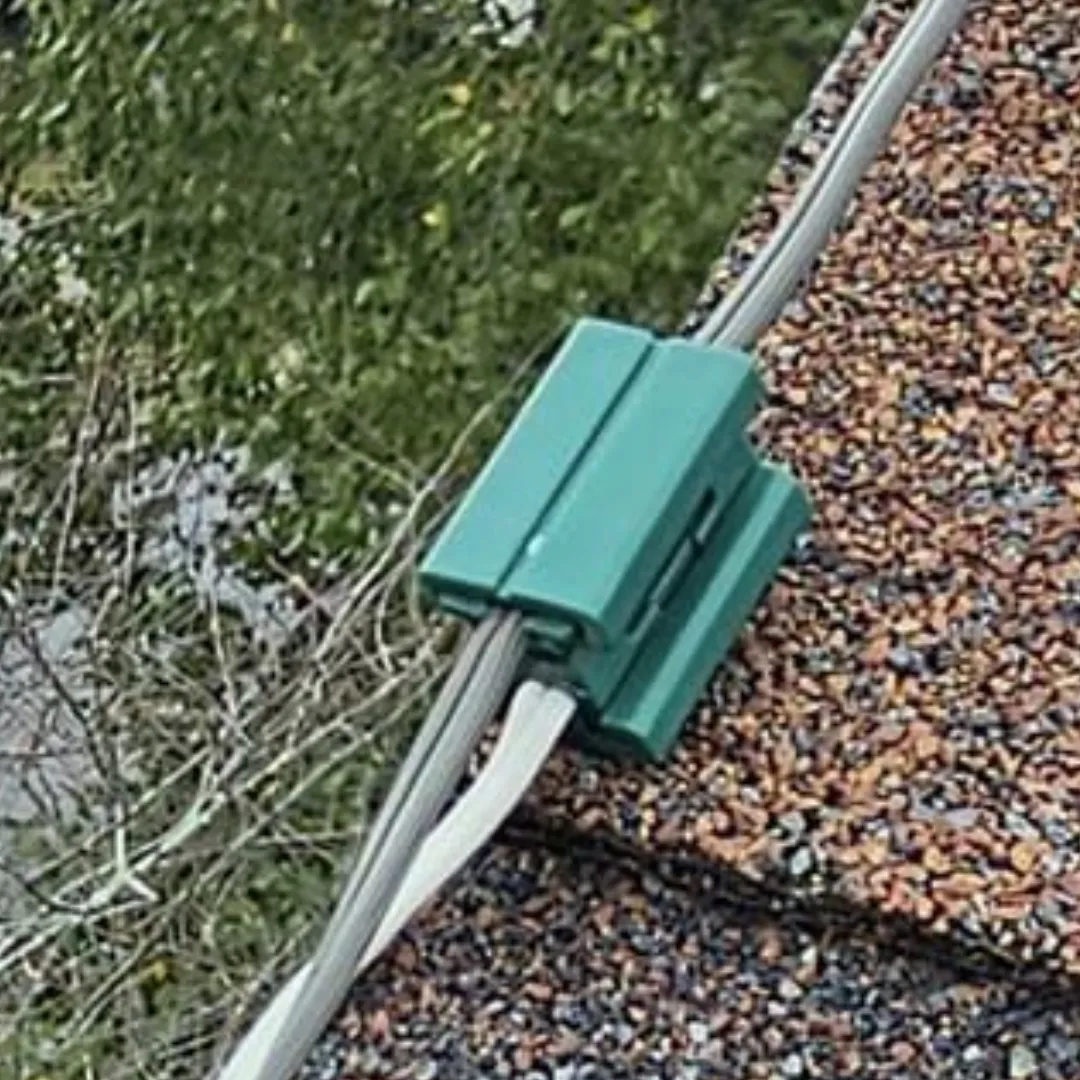
Gilbert ONE Plugs SPT-1
(with Knockout Tab)
Simplify your Christmas light installation with The One Plug, which connects two wires directly—no separate male and female plugs needed. This innovative design saves time, making your setup faster and more efficient. Built with durable plastic and sturdy prongs, it's designed to last throughout the season, ensuring reliability for any lighting project. Perfect for anyone looking to streamline their holiday light displays with ease and dependability.
SPT 2 Wires & Plugs
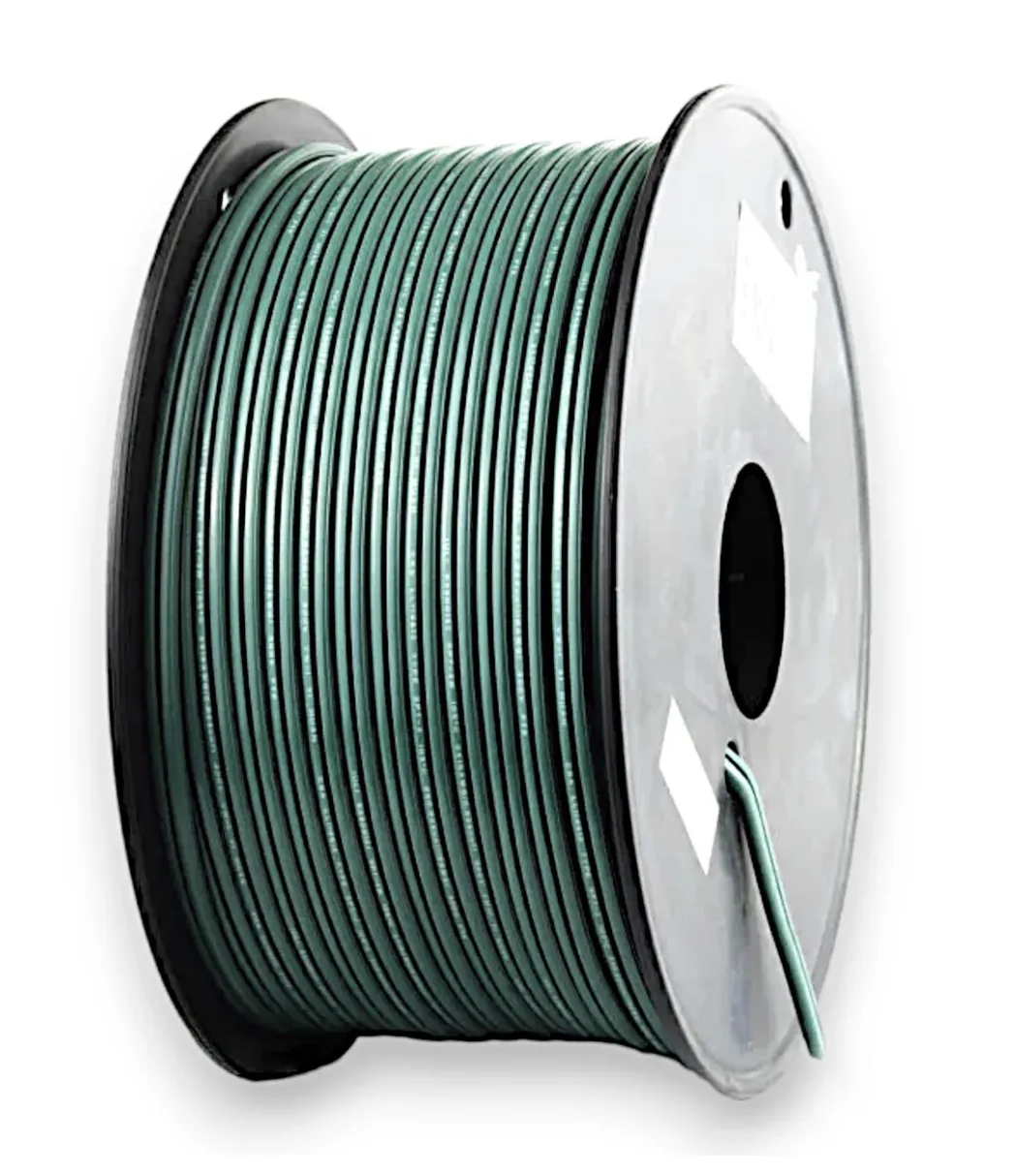
250' Zip Cord (SPT-2)
This versatile 18-gauge, 2-conductor wire is engineered for both professional installers and DIY enthusiasts, offering the durability and flexibility needed for creating custom extension cords, adding jumper wires to rooflines, or extending C9 and C7 stringers. Rated for 8 amps or 960 watts, this robust SPT-2 wire ensures powerful and safe connections for all your lighting needs. Its weather-resistant properties make it suitable for both indoor and outdoor use, allowing you to bring your creative holiday lighting visions to life in any setting. Whether you're working on a small residential project or a large-scale commercial installation, our SPT-2 Extension Wire provides the reliability and performance required to create stunning, long-lasting Christmas light displays. Available in green, white, brown & black.
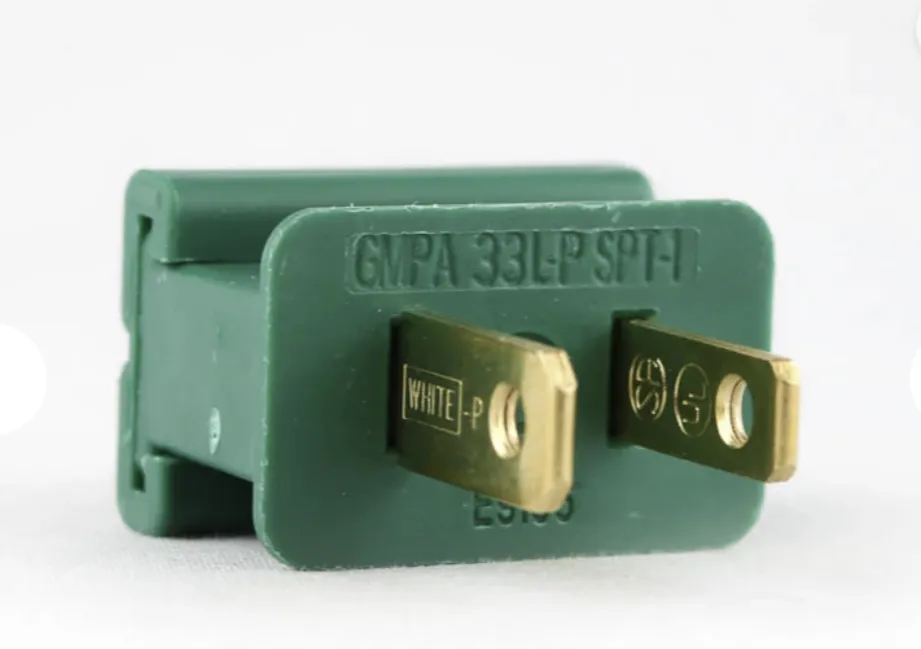
Male Plugs (SPT-2)
Elevate your custom lighting projects with our superior Male zip plugs, engineered for exceptional performance in even the harshest conditions. Unlike standard options, these plugs boast prongs that resist bending in cold weather, ensuring reliable connections throughout the winter season. Perfectly suited for creating custom Christmas light strings or tailored extension cords, these plugs attach effortlessly to the end of zip cord electrical wire. The green SPT-2 male zip plugs are specifically designed to complement green SPT-2 zip cord, offering a seamless and professional appearance. Featuring a 2-prong polarized design for safety and stability, these plugs are constructed from heavy-duty plastic to withstand the rigors of both indoor and outdoor use. Available in green and black.
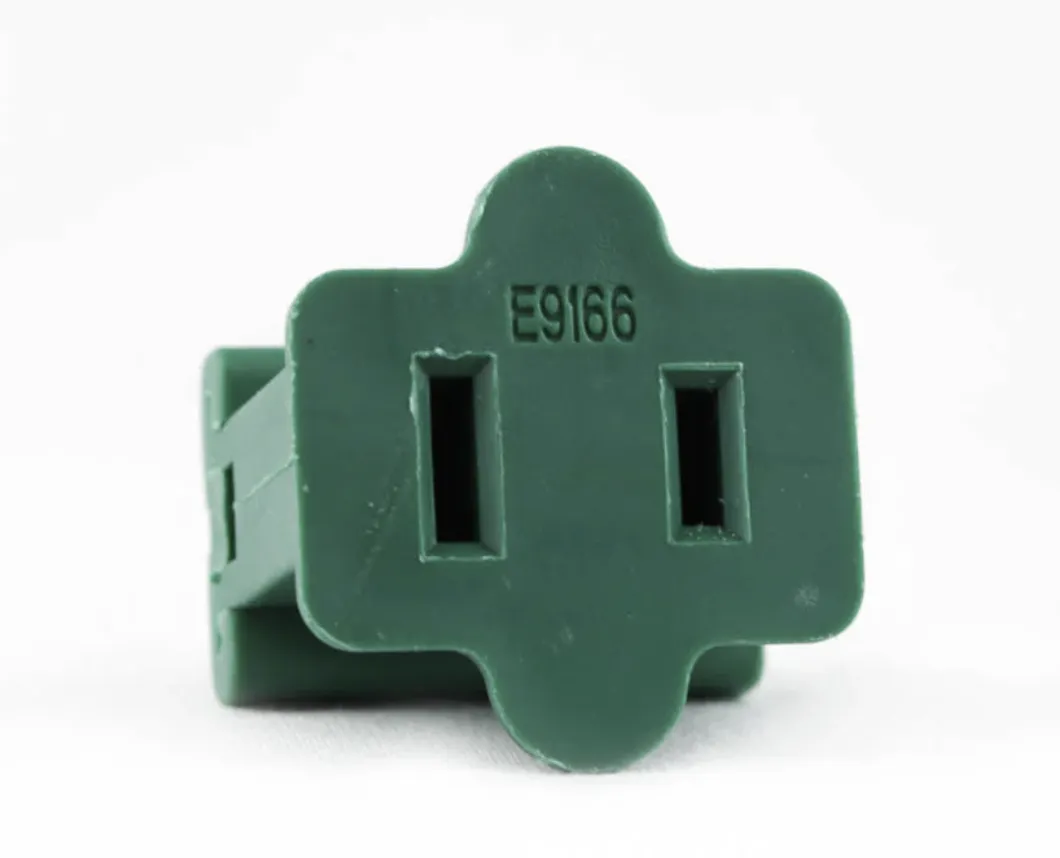
Female Plugs
(with Knockout Tab (SPT-2)
Enhance your custom lighting projects with our premium Female Gilbert SPT-2 zip plugs, designed for superior performance in all weather conditions. Unlike standard options, these plugs feature prongs that maintain their integrity even in frigid temperatures, ensuring reliable connections throughout the winter season. Perfect for creating custom Christmas light stringers or bespoke extension cords, these versatile plugs attach effortlessly to zip cord wire, allowing you to connect strands end-to-end with ease. The white SPT-2 female zip plugs are specifically tailored to complement white SPT-2 zip cord electrical wire, providing a seamless and professional appearance. Equipped with a 2-prong polarized design for safety and stability, these plugs are constructed from heavy-duty plastic..
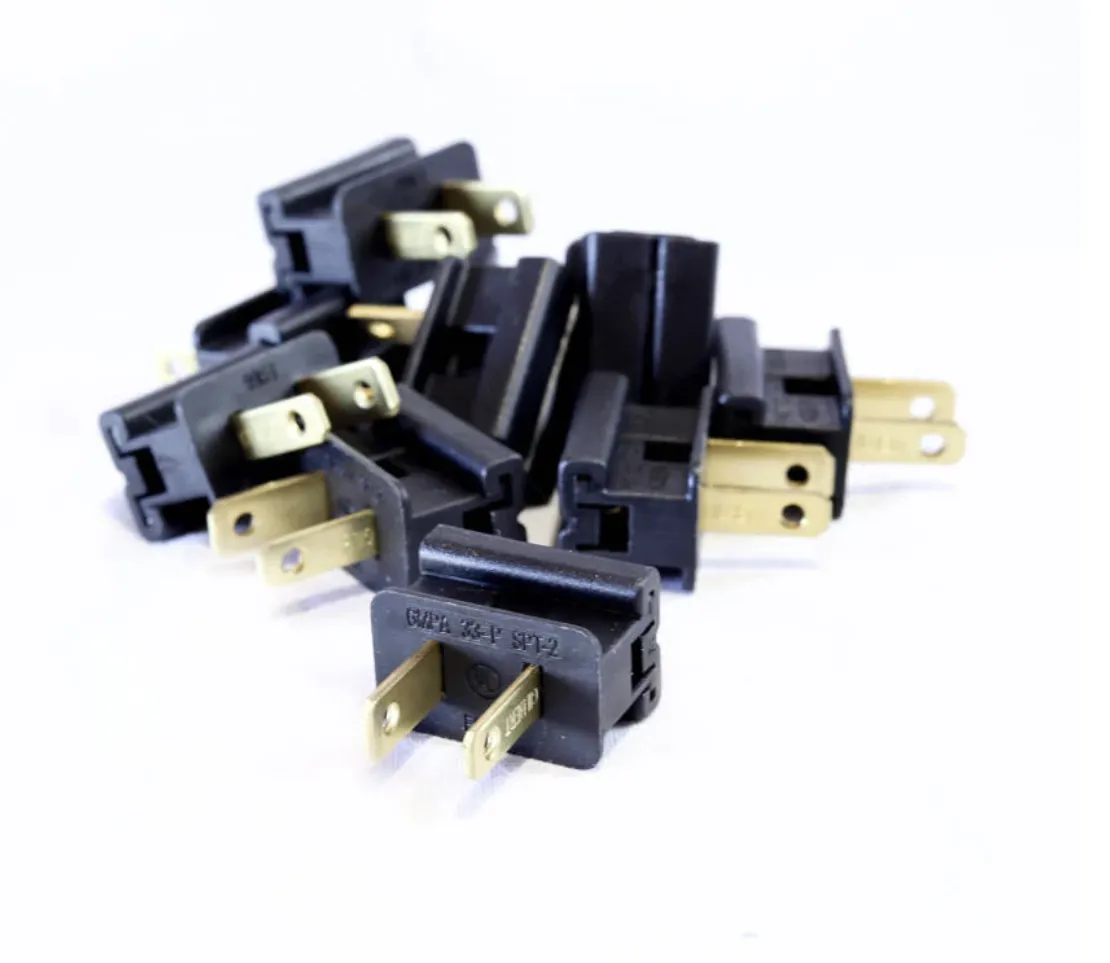
Male & Female Plugs
10 Pack (SPT-2)
Elevate your custom lighting projects with our top-of-the-line Male & Female zip plugs, engineered for unparalleled performance in all weather conditions. Unlike standard options, these plugs feature prongs that resist bending even in frigid temperatures, ensuring reliable connections throughout the winter season. Perfect for crafting custom Christmas light stringers or bespoke extension cords, these versatile plugs attach seamlessly to zip cord wire, allowing for easy end-to-end strand connections. The black SPT-2 Male & Female zip plugs are specifically designed to complement black SPT-2 zip cord electrical wire, offering a sleek and professional appearance. Featuring a 2-prong polarized design for enhanced safety and stability, these plugs are constructed from heavy-duty plastic, making them ideal for both indoor and outdoor applications.
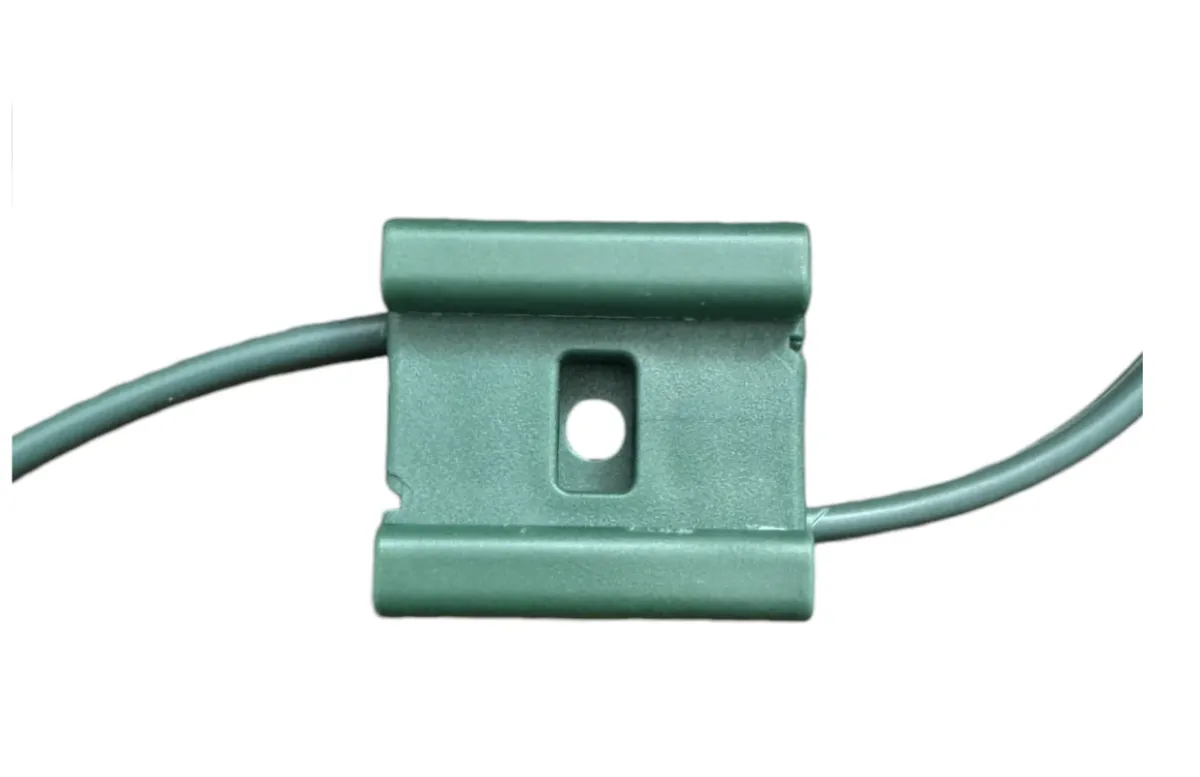
Gilbert One Plug SPT
The One Plug makes Christmas light installation a breeze by directly connecting two wires, eliminating the need for separate male and female plugs. Its efficient design saves time and speeds up your setup. Crafted from durable plastic with sturdy prongs, it's built to last all season, making it a dependable choice for any lighting project. Ideal for anyone wanting to simplify their holiday light displays with ease and confidence. Available in Green, White, Brown and Black
Misc
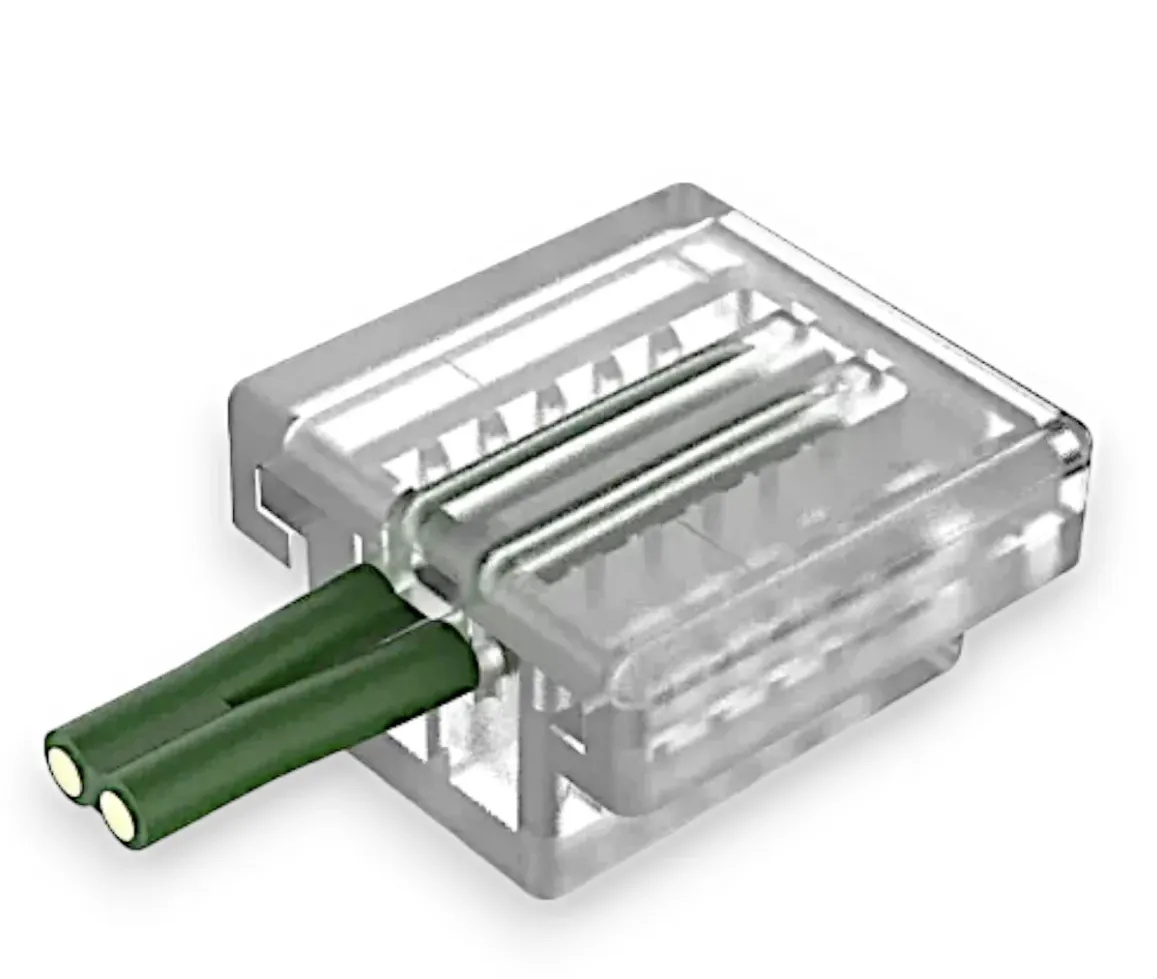
Wire Termination Cap
Enhance the safety and appearance of your lighting projects with our high-quality wire end caps, available in convenient bags of 10. These essential accessories are designed to protect the exposed ends of your wiring, preventing potential hazards and providing a clean, professional finish to your installations. Crafted from high-grade, durable materials, these end caps ensure long-lasting protection against moisture, dust, and accidental contact. Their user-friendly design allows for quick and easy application, making them ideal for both professional installers and DIY enthusiasts. Whether you're working on holiday lighting, landscape illumination, or any other wiring project, these end caps offer a simple yet effective solution for securing and safeguarding your wire ends, ensuring both safety and aesthetics in your electrical setups.
Gilbert One Plug
The One Plug makes Christmas light installation a breeze by directly connecting two wires, eliminating the need for separate male and female plugs. Its efficient design saves time and speeds up your setup. Crafted from durable plastic with sturdy prongs, it's built to last all season, making it a dependable choice for any lighting project. Ideal for anyone wanting to simplify their holiday light displays with ease and confidence. Available in Green, White, Brown and Black
Frequently Asked Questions
What's the difference between SPT-1 and SPT-2 wire?
SPT-1 wire is thinner and more flexible, ideal for lighter-duty applications and tighter spaces. SPT-2 wire has thicker insulation, making it more durable and better suited for heavier-duty outdoor use and longer runs. Both are available for custom lighting projects, but SPT-2 is generally recommended for extensive outdoor installations.
Can I use these wires and plugs for both indoor and outdoor lighting projects?
Yes, our wires and plugs are designed for both indoor and outdoor use. They're constructed with weather-resistant materials to withstand various environmental conditions. However, always ensure proper installation and follow safety guidelines for outdoor electrical setups.
How do I choose the right color of wire and plugs for my project?
Choose wire and plug colors that match or complement your installation surface. Green wires blend well with foliage, white is great for light-colored surfaces, and black offers a sleek look against dark backgrounds. Matching colors also helps create a more professional, seamless appearance in your lighting display.
What's the advantage of using Gilbert plugs over standard plugs?
Gilbert plugs are known for their superior durability and cold weather performance. Unlike standard plugs, Gilbert plugs resist bending and breaking in low temperatures, making them ideal for outdoor winter installations. They also provide a more secure connection, reducing the risk of disconnection or electrical issues.
How many lights can I safely connect using your SPT-2 wire?
Our SPT-2 wire is typically rated for 8 amps or 960 watts. The number of lights you can safely connect depends on the wattage of your bulbs. For example, using 5-watt bulbs, you could connect up to 192 lights. Always check the wattage of your specific bulbs and never exceed the wire's rated capacity to ensure safety.
Discover Expert Tips on Our Blog

Go Time for Christmas Light Installers: Yard Signs, Phone Calls, and Follow-Up That Close Jobs
Halloween is wrapping up, and for Christmas light installers that means the phones are about to start ringing. This is the stretch when customers stop kicking tires and start asking, "Can you get our Christmas lights up?" Installers who are ready close jobs. Installers who miss calls, skip follow-up, or underprice their work watch those jobs go to someone else.
This guide covers what to do right now: how many yard signs to put out, how to answer the phone, how to raise your average ticket, how to follow up, and how to price the work. If you want more strategies for growing a Christmas light installation business, start here.
It's Go Time
Typically, the week Halloween winds down is when people really start calling and asking. That is why installers get last year's customers up starting October 1: it frees the calendar and the crew for the rush of new clients. It's also the time to push hard on marketing.
Why Other Installers Seem to Be Closing So Much
If you're in your first year, you may see installers posting, "I closed another $10,000," or "Here's $30,000." What they don't mention is that many have been in business since 2015, 2018, or 2019. They have hundreds of five-star reviews, they've spent heavily on SEO, and they have a client base that refers friends. Some have been installing lights since September. Their results come from years of building, not luck, and you can build the same foundation.
That doesn't mean you can't close jobs this year. Some people can. One installer attended a class and then closed two dealerships. Nothing was special about him. He took action, and now those dealerships are in his portfolio for pictures and videos. But if you've never sold before, learning to sell and close is part of the job.
October Is Full of Tire Kickers
A lot of October leads aren't ready. Many people don't want lights up before Halloween because their Halloween decorations are up. That's why you keep pushing marketing now. From here on out, more of the people who call actually want to close.
Yard Signs: Put Out More Than You Think
Yard signs work in every part of the country, and no other marketing source is as good. One installer spent over $5,000 on Facebook ads, run by one of the best ad managers around, and closed one job. A thousand yard signs would still cost less than that $5,000, and he'd likely make more. Another installer using the same ad manager is getting ready to turn his Facebook ads off. Both also run signs, and the signs do better by a lot, even with Google Ads doing well.
How Many Signs to Put Out
Here is the plan:
October: 100 yard signs
November: 100 yard signs
The week before Thanksgiving: an extra 100
If you're just starting with signs: 200 per week in November, which could get you close to $100,000 even if you're starting from scratch
If you're putting out 100 a week, put them everywhere. One installer who ordered a thousand signs found it wasn't enough and had to order more.
If someone pulls your signs down, be consistent, prolific, and relentless. Put out more than they can take down.
What Your Sign Should Say
Keep the sign simple: a red background, white lettering, the words "Christmas lights" or "Pro Christmas light installer," and a big phone number. That is it. No logo, no QR code, nothing extra. If you've put out a lot of signs and gotten few calls, look at what's on the sign. Test it yourself: put the logo and QR code on one and only "Christmas lights" and a big phone number on the other, and see which wins. Need signs? Try MoneyBushes.com. After the season, you can pick signs up in mid-January to reuse, but they usually don't last that long.

Where to Put Signs
Place yours next to another company's sign. Don't put it in front of theirs or touch it. Data shows a Coke machine alone makes about $200, but a Coke machine and a Pepsi machine each make about $300, because the customer goes from "I want that" to choosing between option A and option B. The exception: if 50 signs are already there, skip it.
Spread them out. If you put four signs at every stop sign and light, you may get a call from code enforcement.
Cover subdivisions, areas outside subdivisions, and main streets. Focus on one area, then push out farther.
Answer the Phone
The number one problem is missed calls. It doesn't matter how much you spend on marketing if nobody picks up. If two yard signs sit next to each other and you don't answer, they call the other company, and by the time you call back, that company has booked the job.
Everyone misses calls. If you're on another call, or you're in a home doing a quote, you can't answer. That's why you need to know how many you miss. Set up a phone tracking number so you can see how many calls come in. If you don't track, you can't know what you missed.
Many installers don't want to hire a receptionist because of the cost. Ask how much each missed call is costing you. One installer who handles marketing for a client saw how many calls just one line missed and was shocked.
Raise Your Average Ticket Before You Lower Your Price
Lowering your price to get leads is a trap. It's a race to the bottom, and someone will always do it cheaper. Some people will do the same job for $200 or $300. That's okay, because there are customers for that. You want the customer willing to pay $2,000.
What One First-Year Result Tells You
A first-year installer in middle Tennessee put out 250 signs, got 20 calls, and sold two jobs at $900 and $1,100. Should the price drop? No. Look at the numbers:
Twenty calls and two sales is a 10% close rate, and early calls are rarely good. The only direction is up.
Many of those 20 calls weren't good leads. Did you give bids on all 20? How many times did you follow up?
Two jobs from 250 signs in the month of October means more signs, not lower prices.
Those $900 and $1,100 jobs are small. Get the average ticket up. In Nashville and Knoxville, you can get $9 to $12 a foot.
In the beginning, don't worry about pre-qualifying. Learn to talk on the phone. It's all reps. Do the mock-ups so you get quicker.
Send a Real Quote
If your quote says "133 feet times $8 equals this," you haven't learned to send the right quote. Put the work into a proper quote that shows the full job.
Know Your Price Floor
If you're under $8 a foot, you're too low. Some installers have sold at $20 a foot, and when they sold the value and made the customer feel amazing, that wasn't too high. Small houses also push per-foot pricing up. If you have a $1,000 or $1,500 minimum and the house has 50 feet, the per-foot price rises, and that's fine.
Aim for an average ticket of $1,500 to $2,000. At an average of 150 feet, a crew can put up about five jobs a day. At a $2,000 ticket, that is $10,000 a day. Paying two helpers about $1 a foot, split between a roof person and a ground person, leaves you plenty.
Follow Up Like It's Your Job
Follow-up closes big jobs. One installer sold $50,000 in a few days, including a $20,000 retirement community he worked for two months with calls, texts, emails, handwritten notes, an in-person visit, and donuts. That job is for three years, so it's actually a $60,000 sale, and it could be worth more if the customer adds on or renews for another three years.
Most installers give up after one or two follow-ups. They send a quote, ghost the customer, and wonder why they never get big jobs. It typically takes eight to 11 touches to close a job. Follow up every day for at least 14 days. If you're not following up, you're going to fold up.
Handling "Let Me Talk to My Spouse"
That sentence can be a sales death sentence. If you're going in person, don't go unless both decision-makers will be there. Ask politely: "Is the decision-maker going to be there? I don't want to waste your time or mine." You can also ask, "Can you make a decision without your spouse?" On the phone, keep following up.
When a Prospect Says Someone Else Charges Half
Don't argue price. Ask yourself whether you're insured, whether you come back and fix problems, whether you leave one bulb out all season, and whether your five-star reviews are in front of the customer. Then ask why they're calling you at all.
Pricing Trees, Bushes, and Materials
Canopy-Wrapped Trees
Price canopy wrap by the foot of the tree's height, not by the strand. Branch wrapping is different. For an evergreen with minis placed six inches apart, expect $40 to $60 a foot. A 10-foot tree at $60 a foot is $600. For a 15-foot tree with C7s, you can keep charging by the foot of height, or you can figure out how many lights you need at 12- or 15-inch spacing, see what that costs, and double it.
Trees that lose their leaves are different. In the North, where leaves drop soon, space the lights about 18 inches apart, roughly fingertips to elbow, so you can see through the tree. A tree that keeps its leaves past Christmas won't look good that way, so keep that in mind in the South.
Bushes and Columns
For minis on bushes, six-inch spacing is most common, though four inches can look better on small bushes. On columns, some installers use four inches and others use six.
Materials and Labor
Materials run about $1.19 for the socket, clip, and bulb. Buy lights and supplies at Christmas Lights HQ, where orders ship out the same day.
Know the third, third, third rule: about a third of your revenue goes to materials, marketing, and similar costs, a third goes to labor, and a third is profit. In year two, you don't buy all the lights and tools again, because lights last five to seven years. So year two keeps labor at a third and profit becomes about two-thirds. If you did $23,000 in a week but only made $4,000 on five jobs, ask whether you charged enough, and remember the lifetime value of the customer.
Work Smarter on the Job
Use a garbage can for spools. A 1,000-foot spool tangles. Bulb and clip the lights (find sockets, clips, and bulbs at Christmas Lights HQ), then place them straight into a 55-gallon garbage can and take the can with you. Don't reel them back onto the spool. That's a disaster.
Skip windows. The lights fall off and you have to go back. If your employees clip them onto painted surfaces or stucco, you may end up repainting or repairing what they damaged.
Install the whole house. Do the roof, trees, bushes, and ground stakes. A single set of lights across the front is what everyone else does.
Wear a harness. Videos without harnesses can get your insurance canceled. If a worker falls, workers' comp or OSHA can come after you with liability and fines. Don't do anything you're not comfortable with. One roof anchor system worth looking at costs about $800 for the kit.
Know Your Numbers
Say your Meta ads cost $30 a lead and you close 10%. That is about $300 per customer. That's where you raise prices: you should be at $8 to $10 a foot and work your close rate up to 15 to 20%, which brings your cost per customer down. Reported Meta costs range from $12 to $18 a lead, or $8 to $10 a click. Meta brings more tire kickers than Google Ads.
If you've already closed a lot, check how much of your work falls in November. If you're booked into the end of November, add crews and raise prices. If you aren't booked for much of November, put everything into Google Ads and Facebook ads.
Believe You Can Get Paid
If you don't believe you're worth $8 to $12 a foot, you will never get it. If you don't see it, you won't achieve it. Installers in the greater Cincinnati area get $9 to $10 a foot. One installer in a city of eight million people said, "There are only cheap people here," while driving past Lamborghinis. Another installer, who is not in a major city, is on track for $750,000 this year with thousands of yard signs, Facebook ads, and Google ads.
It won't be perfect. Orders get missed, wrong colors go up, and bushes get skipped. Put systems in place so it happens less. And don't sell peak bulbs and LEDs. Sell the magic: the kids' faces and the feeling when the family comes outside.
It's a numbers game. You won't close them all, and you don't want to, because that means you're too cheap. Consistency is key. For more training, visit ChristmasLights.io.

How many yard signs should I put out?
Put out 100 in October and 100 in November, plus an extra 100 the week before Thanksgiving. If you're just starting, 200 per week in November can get you close to $100,000.
What should a yard sign say?
Keep it simple: red background, white lettering, "Christmas lights" or "Pro Christmas light installer," and a big phone number. No logo or QR code.
Is it okay to put my sign next to a competitor's?
Yes, put it next to theirs, not in front of or touching it. Two options draw more customers than one. Skip spots that already have 50 signs.
What's the biggest mistake that costs installers jobs?
Missed phone calls. Track your calls with a tracking number, and if two signs sit side by side, the company that answers wins. Learn more at ChristmasLights.io.
Should I lower my price when I'm not getting enough calls?
No. Put out more signs, do more reps, and get your average ticket up. Lowering your price is a race to the bottom.
How many times should I follow up?
Follow up every day for at least 14 days. It typically takes eight to 11 touches to close. Find more sales training at ChristmasLights.io.
How should I price a tree?
For canopy wrap, price by the foot of the tree's height. An evergreen with minis six inches apart is about $40 to $60 a foot, so a 10-foot tree at $60 a foot is $600.
How do I keep a 1,000-foot spool from tangling?
Bulb and clip the lights, then place them in a 55-gallon garbage can instead of reeling them back on the spool.
What do I say when a customer wants to talk to a spouse first?
Make sure both decision-makers will be there before you visit. Ask politely if the decision-maker will be there so you don't waste either person's time.
What's a good average ticket to aim for?
Aim for $1,500 to $2,000. At that level, a crew averaging 150 feet can do about five jobs a day. Get supplies at Christmas Lights HQ.

Copyright ©2026 All Right Reserved website designed by christmaslights.io
Terms of Service / Privacy Policy
Have questions or need assistance?
Contact us at (855)619-LITE