

Professional-Grade Wires and Plugs
for Custom Lighting Solutions
Welcome to our comprehensive collection of high-quality wires and plugs, designed to empower both professional installers and passionate DIY enthusiasts. These essential components form the foundation of any exceptional lighting display, offering the versatility and durability needed to bring your creative visions to life. From bulk spools of SPT-1 and SPT-2 wire to weather-resistant Gilbert plugs and convenient end caps, our range caters to all your custom lighting needs. Whether you're crafting intricate holiday displays, enhancing landscape lighting, or tackling large-scale commercial projects, our professional-grade wires and plugs ensure reliable performance and seamless integration. Explore our selection and discover the perfect electrical components to elevate your lighting installations, combining safety, efficiency, and aesthetic appeal in every project.
SPT 1 Wire & Plugs
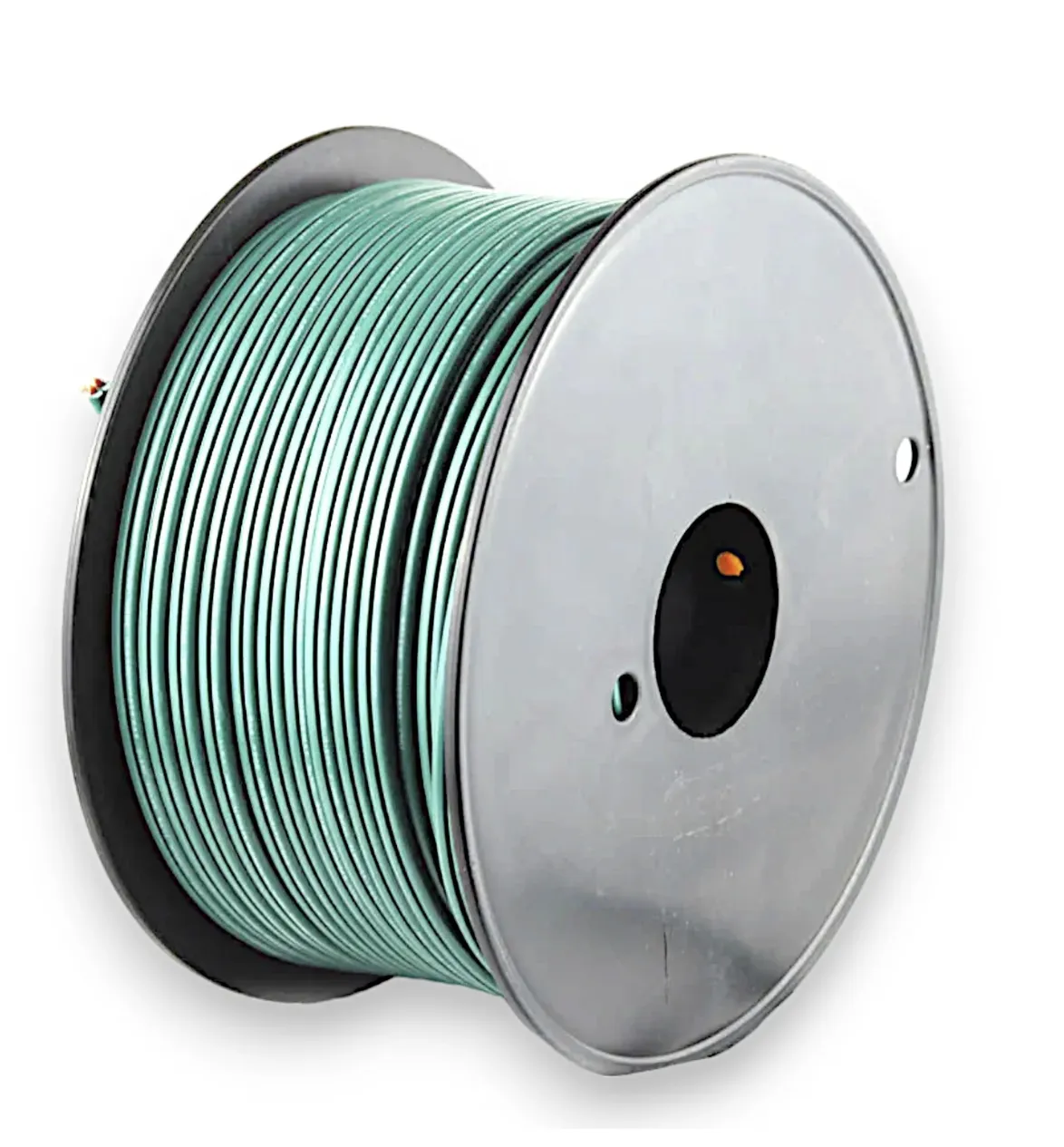
250' Zip Cord (SPT-1)
Enhance your lighting installations with our versatile 250' Spool of Lamp Cord SPT-1 Extension Wire (Zip Cord), perfect for both professional and DIY decorators. This 18-gauge, 2-conductor wire, rated for 8 amps or 960 watts, allows you to easily create custom extension cords, add jumper wires, or extend C9 and C7 stringers for rooflines and holiday displays. Its durable design suits both indoor and outdoor applications, offering reliable performance for small to large-scale projects. Available in Green, White, Brown, and Black, this easy-to-work-with zip cord provides the flexibility and durability needed for creating custom lighting solutions in any setting.
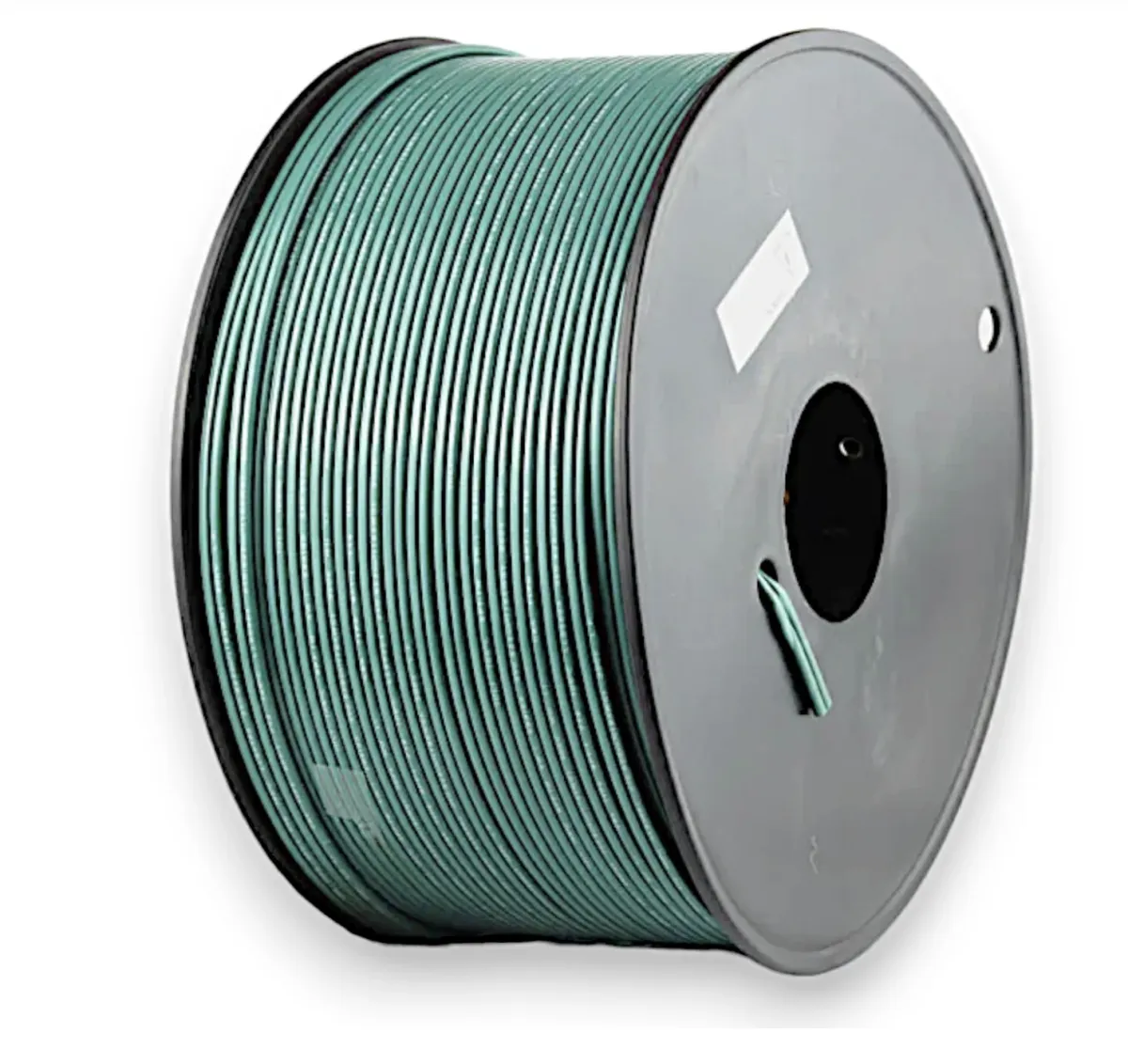
500' Green Zip Cord (SPT-1)
Our 500' Spool of Green Lamp Cord SPT-1 Extension Wire (Zip Cord) offers versatile solutions for custom lighting setups. This 18-gauge, 2-conductor wire, rated at 8 Amps or 960 Watts, is perfect for creating personalized extension cords, adding jumper wires to rooflines, or extending C9 and C7 stringers. Compatible with our SPT-1 male and female plugs (sold separately), this durable wire is suitable for both indoor and outdoor use. Whether you're a professional installer or a DIY enthusiast, this 500' spool provides ample length for various lighting projects, ensuring flexibility and efficiency in your custom lighting designs.
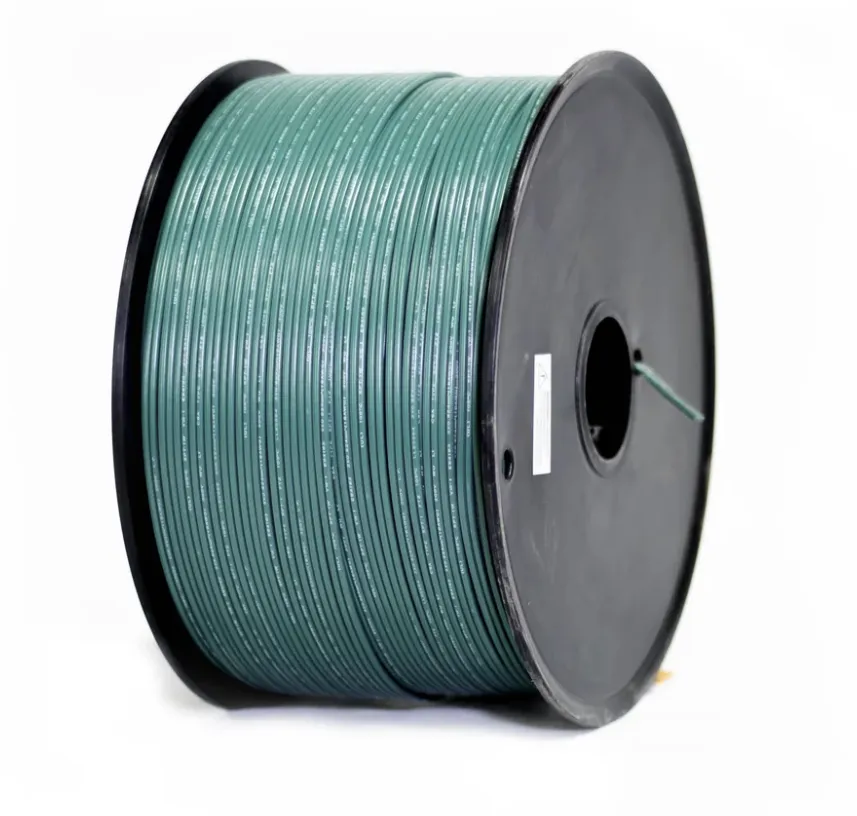
1000' Green Zip Cord (SPT-1)
Our 1000' Spool of Green Lamp Cord SPT-1 Extension Wire (Zip Cord) is a high-quality, 18-gauge, 2-conductor wire is perfect for creating custom extension cords, adding jumper wires to rooflines, or extending C9 and C7 stringers. Rated for 8 amps or 960 watts, it offers reliable performance for both residential and commercial projects. The green color blends seamlessly with outdoor foliage and durable design suits both indoor and outdoor use. Ideal for professional installers and DIY enthusiasts alike, this generous 1000' spool provides ample wire for customization, ensuring you have the right length for any project.
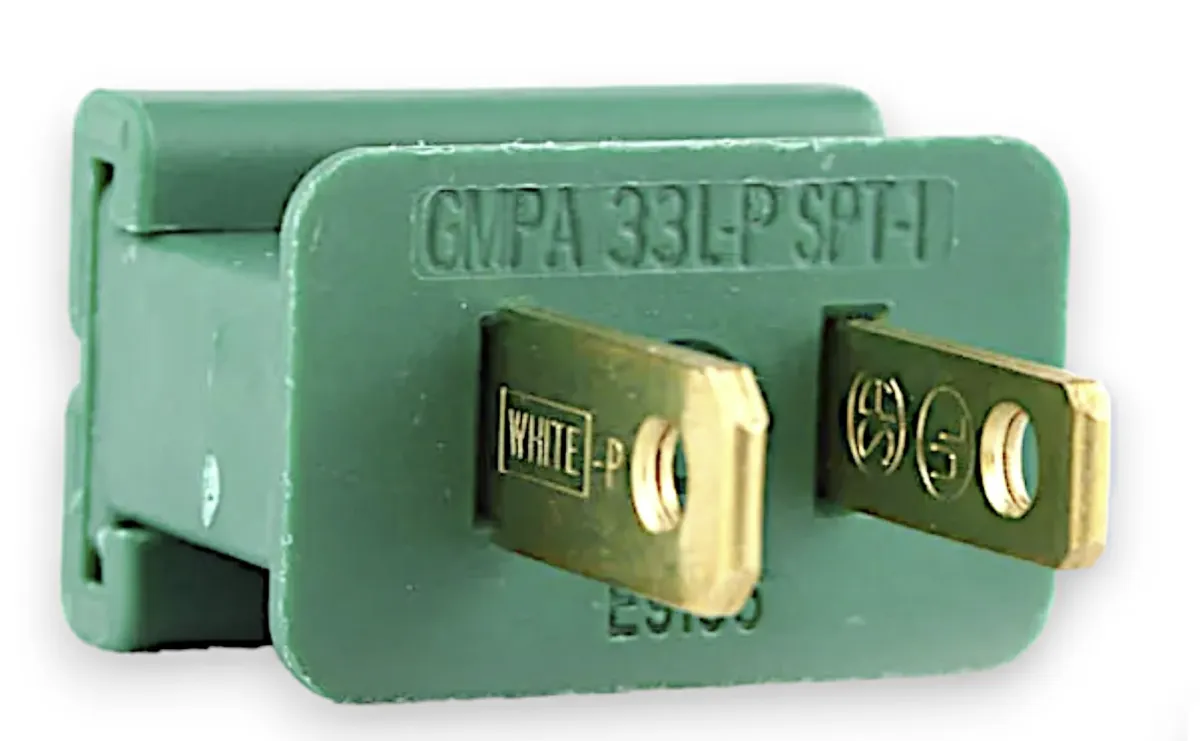
Male Gilbert Plugs SPT-1
Enhance your custom Christmas lighting projects with our SPT-1 Gilbert Male Zip Plugs, available in green, white, brown, and black. These high-quality, weather-resistant plugs are specifically designed for use with SPT-1 zip cord, making them ideal for creating custom light strings and extension cords. Featuring a 2-prong polarized design for safety and stability, these plugs are constructed from heavy-duty plastic to withstand harsh winter conditions. Unlike standard options, our male zip plugs resist bending or breaking in cold weather, ensuring straight and reliable prongs throughout the season. Perfect for both professional installers and DIY enthusiasts, these durable plugs are essential for creating long-lasting, custom Christmas light displays that perform flawlessly in any environment.
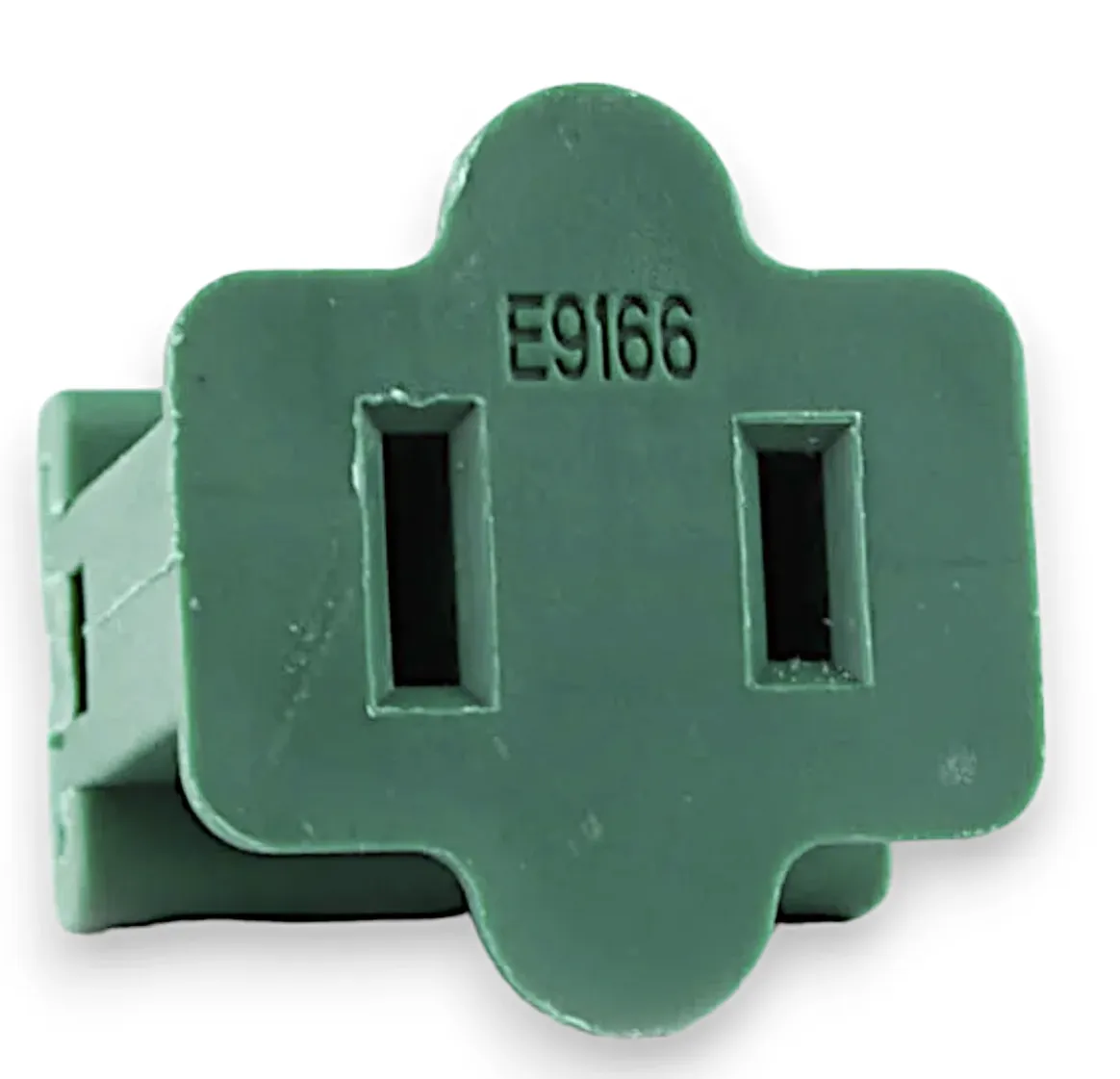
Female Gilbert Plugs SPT-1
(with Knockout Tab)
Elevate your custom Christmas lighting projects with our Female Gilbert SPT-1 Zip Plugs featuring a knockout tab, available in green, white, brown, and black. Specifically designed for SPT-1 zip cord, these durable plugs are ideal for creating reliable custom light strings and extension cords. The 2-prong polarized design ensures secure connections, while the heavy-duty plastic construction withstands harsh outdoor conditions. Unlike standard options, these plugs resist bending in cold weather, making them perfect for winter installations. Whether you're connecting light strands end-to-end or crafting custom extensions, these resilient female zip plugs offer superior performance for both professional and DIY Christmas lighting setups.
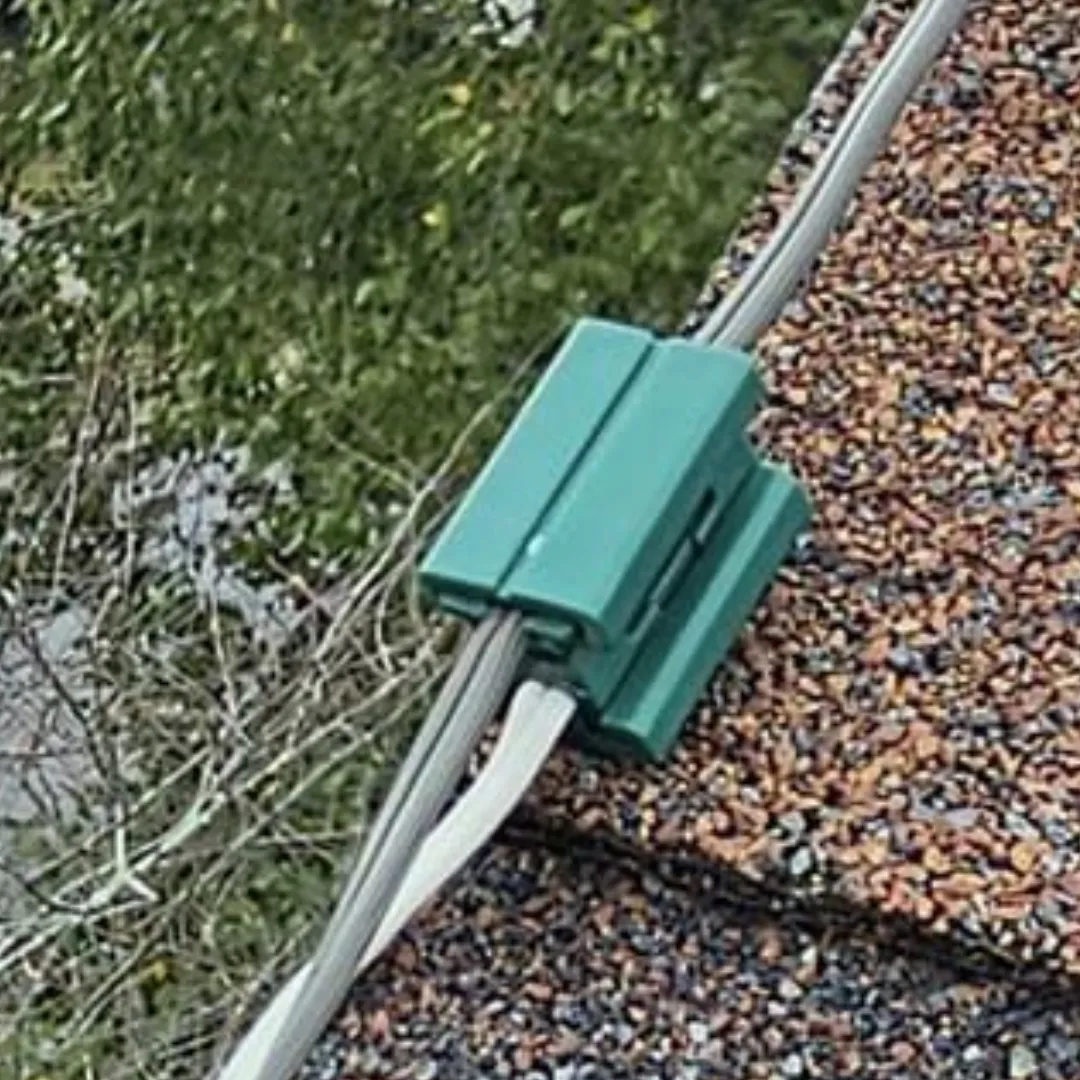
Gilbert ONE Plugs SPT-1
(with Knockout Tab)
Simplify your Christmas light installation with The One Plug, which connects two wires directly—no separate male and female plugs needed. This innovative design saves time, making your setup faster and more efficient. Built with durable plastic and sturdy prongs, it's designed to last throughout the season, ensuring reliability for any lighting project. Perfect for anyone looking to streamline their holiday light displays with ease and dependability.
SPT 2 Wires & Plugs
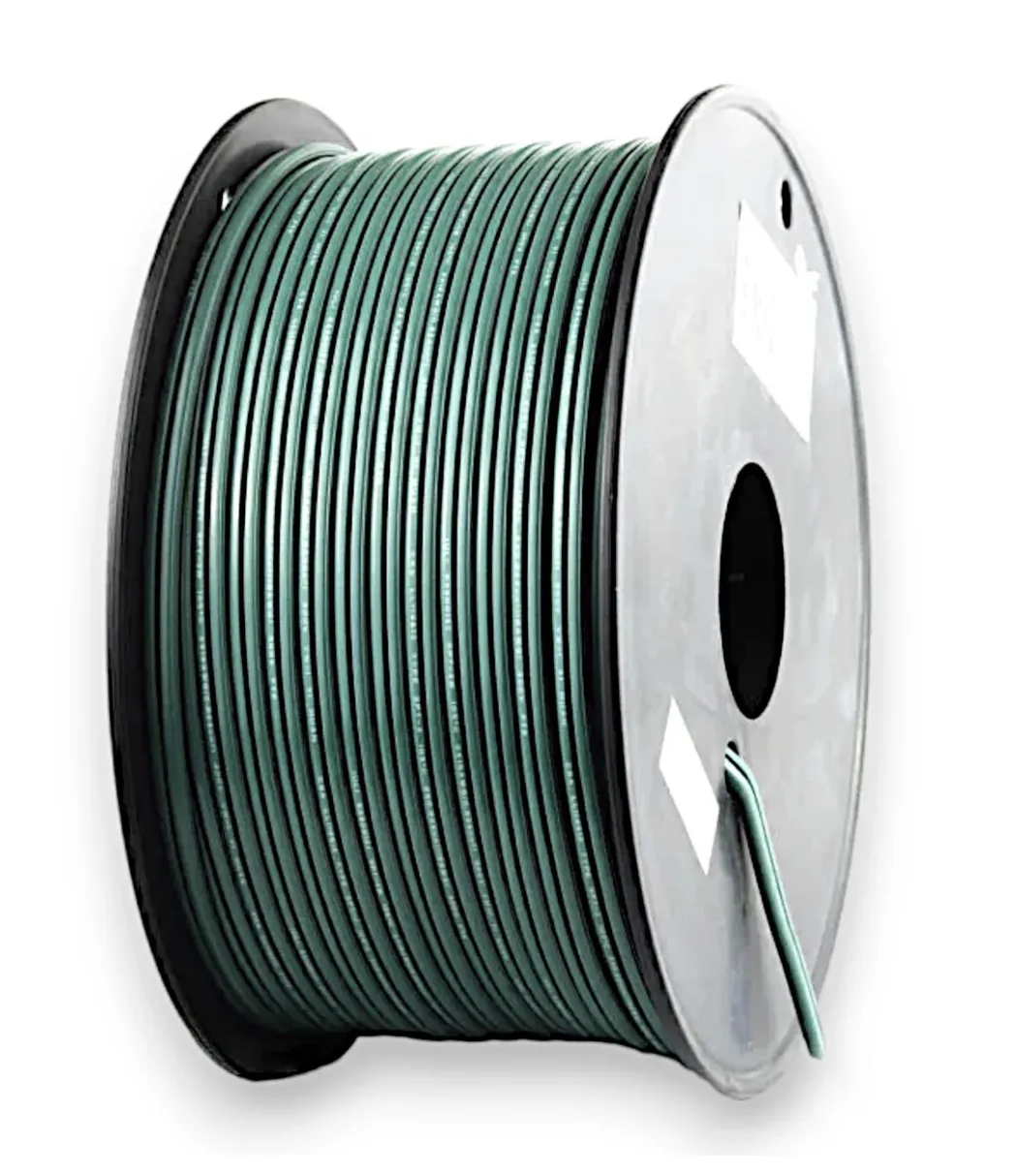
250' Zip Cord (SPT-2)
This versatile 18-gauge, 2-conductor wire is engineered for both professional installers and DIY enthusiasts, offering the durability and flexibility needed for creating custom extension cords, adding jumper wires to rooflines, or extending C9 and C7 stringers. Rated for 8 amps or 960 watts, this robust SPT-2 wire ensures powerful and safe connections for all your lighting needs. Its weather-resistant properties make it suitable for both indoor and outdoor use, allowing you to bring your creative holiday lighting visions to life in any setting. Whether you're working on a small residential project or a large-scale commercial installation, our SPT-2 Extension Wire provides the reliability and performance required to create stunning, long-lasting Christmas light displays. Available in green, white, brown & black.
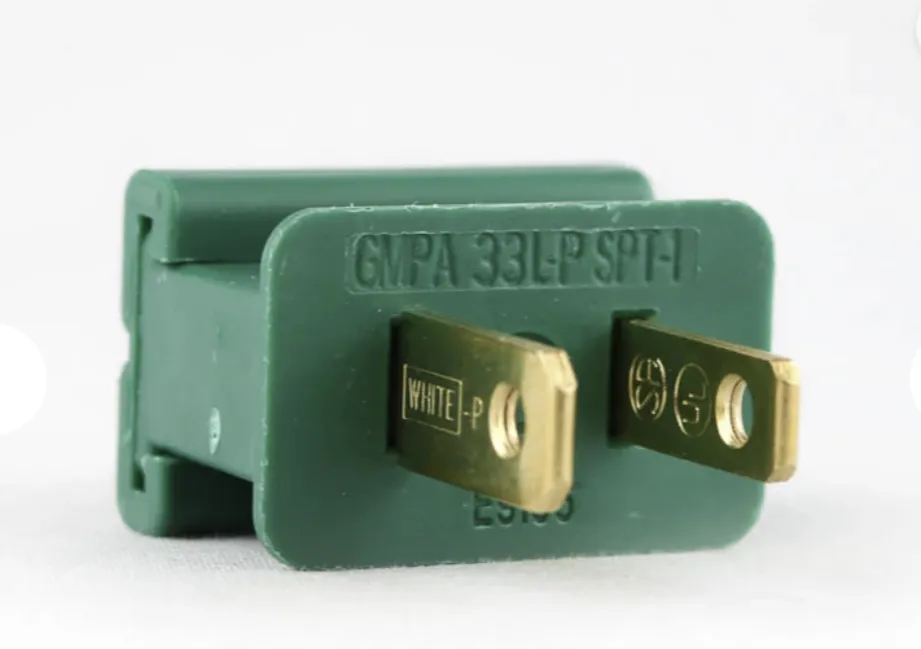
Male Plugs (SPT-2)
Elevate your custom lighting projects with our superior Male zip plugs, engineered for exceptional performance in even the harshest conditions. Unlike standard options, these plugs boast prongs that resist bending in cold weather, ensuring reliable connections throughout the winter season. Perfectly suited for creating custom Christmas light strings or tailored extension cords, these plugs attach effortlessly to the end of zip cord electrical wire. The green SPT-2 male zip plugs are specifically designed to complement green SPT-2 zip cord, offering a seamless and professional appearance. Featuring a 2-prong polarized design for safety and stability, these plugs are constructed from heavy-duty plastic to withstand the rigors of both indoor and outdoor use. Available in green and black.
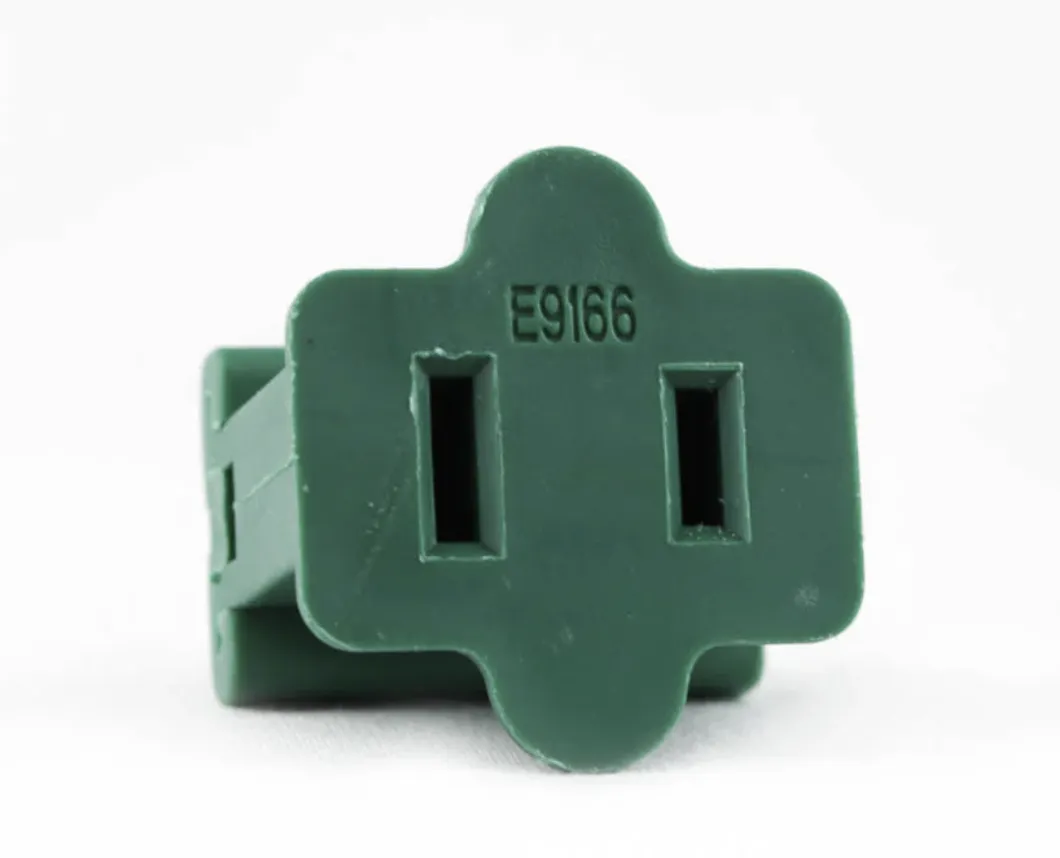
Female Plugs
(with Knockout Tab (SPT-2)
Enhance your custom lighting projects with our premium Female Gilbert SPT-2 zip plugs, designed for superior performance in all weather conditions. Unlike standard options, these plugs feature prongs that maintain their integrity even in frigid temperatures, ensuring reliable connections throughout the winter season. Perfect for creating custom Christmas light stringers or bespoke extension cords, these versatile plugs attach effortlessly to zip cord wire, allowing you to connect strands end-to-end with ease. The white SPT-2 female zip plugs are specifically tailored to complement white SPT-2 zip cord electrical wire, providing a seamless and professional appearance. Equipped with a 2-prong polarized design for safety and stability, these plugs are constructed from heavy-duty plastic..
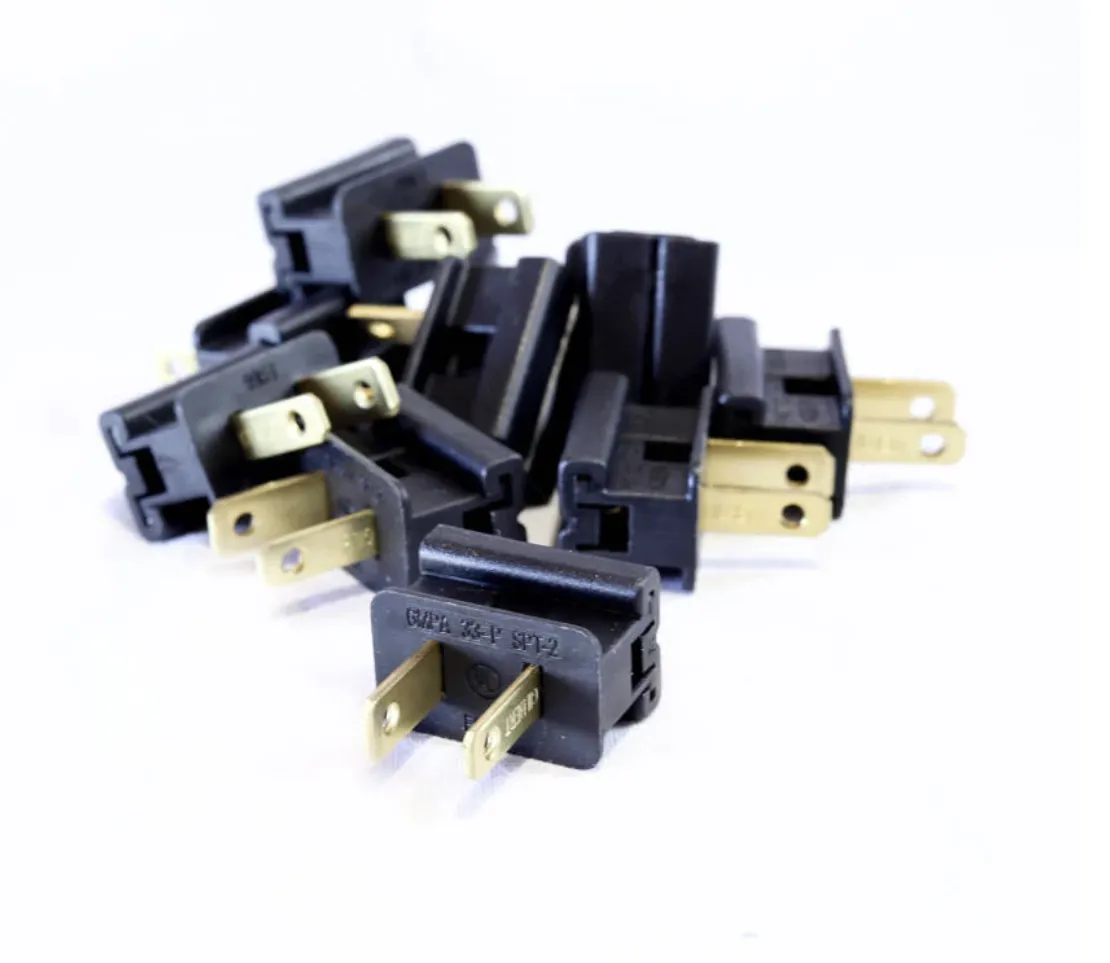
Male & Female Plugs
10 Pack (SPT-2)
Elevate your custom lighting projects with our top-of-the-line Male & Female zip plugs, engineered for unparalleled performance in all weather conditions. Unlike standard options, these plugs feature prongs that resist bending even in frigid temperatures, ensuring reliable connections throughout the winter season. Perfect for crafting custom Christmas light stringers or bespoke extension cords, these versatile plugs attach seamlessly to zip cord wire, allowing for easy end-to-end strand connections. The black SPT-2 Male & Female zip plugs are specifically designed to complement black SPT-2 zip cord electrical wire, offering a sleek and professional appearance. Featuring a 2-prong polarized design for enhanced safety and stability, these plugs are constructed from heavy-duty plastic, making them ideal for both indoor and outdoor applications.
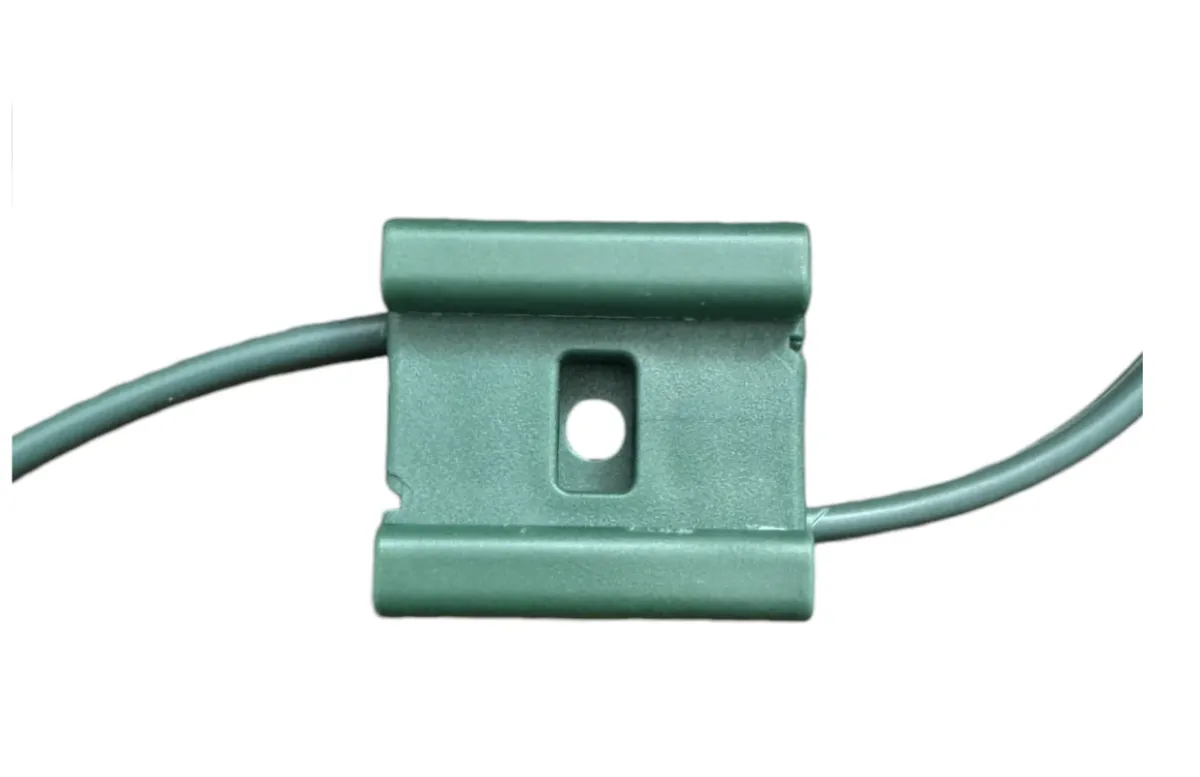
Gilbert One Plug SPT
The One Plug makes Christmas light installation a breeze by directly connecting two wires, eliminating the need for separate male and female plugs. Its efficient design saves time and speeds up your setup. Crafted from durable plastic with sturdy prongs, it's built to last all season, making it a dependable choice for any lighting project. Ideal for anyone wanting to simplify their holiday light displays with ease and confidence. Available in Green, White, Brown and Black
Misc
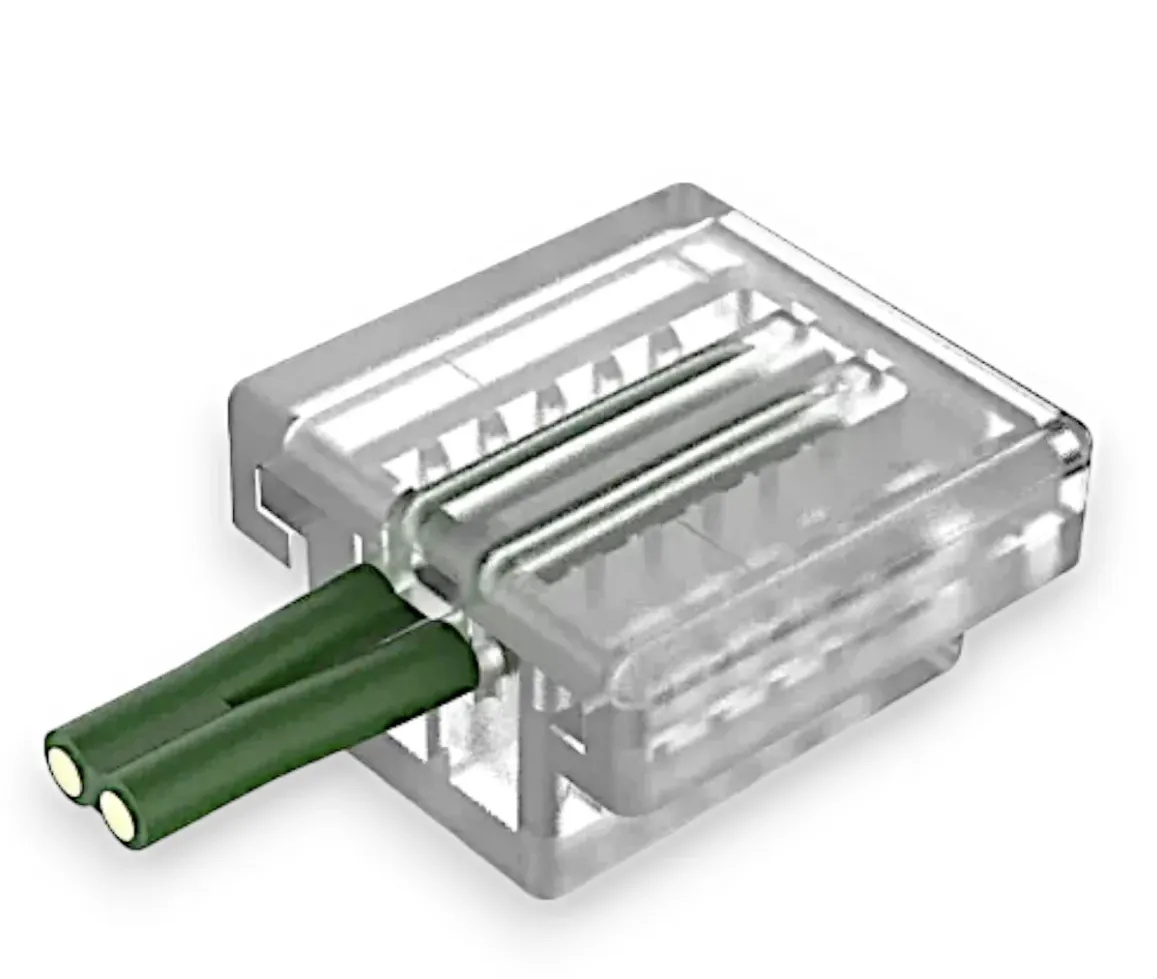
Wire Termination Cap
Enhance the safety and appearance of your lighting projects with our high-quality wire end caps, available in convenient bags of 10. These essential accessories are designed to protect the exposed ends of your wiring, preventing potential hazards and providing a clean, professional finish to your installations. Crafted from high-grade, durable materials, these end caps ensure long-lasting protection against moisture, dust, and accidental contact. Their user-friendly design allows for quick and easy application, making them ideal for both professional installers and DIY enthusiasts. Whether you're working on holiday lighting, landscape illumination, or any other wiring project, these end caps offer a simple yet effective solution for securing and safeguarding your wire ends, ensuring both safety and aesthetics in your electrical setups.
Gilbert One Plug
The One Plug makes Christmas light installation a breeze by directly connecting two wires, eliminating the need for separate male and female plugs. Its efficient design saves time and speeds up your setup. Crafted from durable plastic with sturdy prongs, it's built to last all season, making it a dependable choice for any lighting project. Ideal for anyone wanting to simplify their holiday light displays with ease and confidence. Available in Green, White, Brown and Black
Frequently Asked Questions
What's the difference between SPT-1 and SPT-2 wire?
SPT-1 wire is thinner and more flexible, ideal for lighter-duty applications and tighter spaces. SPT-2 wire has thicker insulation, making it more durable and better suited for heavier-duty outdoor use and longer runs. Both are available for custom lighting projects, but SPT-2 is generally recommended for extensive outdoor installations.
Can I use these wires and plugs for both indoor and outdoor lighting projects?
Yes, our wires and plugs are designed for both indoor and outdoor use. They're constructed with weather-resistant materials to withstand various environmental conditions. However, always ensure proper installation and follow safety guidelines for outdoor electrical setups.
How do I choose the right color of wire and plugs for my project?
Choose wire and plug colors that match or complement your installation surface. Green wires blend well with foliage, white is great for light-colored surfaces, and black offers a sleek look against dark backgrounds. Matching colors also helps create a more professional, seamless appearance in your lighting display.
What's the advantage of using Gilbert plugs over standard plugs?
Gilbert plugs are known for their superior durability and cold weather performance. Unlike standard plugs, Gilbert plugs resist bending and breaking in low temperatures, making them ideal for outdoor winter installations. They also provide a more secure connection, reducing the risk of disconnection or electrical issues.
How many lights can I safely connect using your SPT-2 wire?
Our SPT-2 wire is typically rated for 8 amps or 960 watts. The number of lights you can safely connect depends on the wattage of your bulbs. For example, using 5-watt bulbs, you could connect up to 192 lights. Always check the wattage of your specific bulbs and never exceed the wire's rated capacity to ensure safety.
Discover Expert Tips on Our Blog

What's Working for Christmas Light Installers in 2026: Getting Jobs, Pricing Right, and Closing More
Installers across the country are having some of their best weeks ever this season. Some have reported hundred-thousand-dollar weeks, and others are simply booking their first jobs. What separates them is rarely luck. The installers who are growing are the ones taking action on a handful of proven things: reaching out to past customers, running ads, putting out yard signs, pricing with confidence, selling the feeling instead of the bulbs, and following up relentlessly.
This guide pulls those together for professional installers who want to grow. If you want more systems for building a Christmas light business that scales, start here.
First, Don't Get Discouraged Before November
If you haven't booked a job yet, hold off on the panic. Mid-October is early. Right now, many people are still tire kicking, seeing what the price would be if they did it. New installers especially are learning many skills at once, and slow weeks in October are normal.
Here is the pattern to plan around:
November is the month. About 90% of your new clients come in November.
Clear your calendar. Get all of last year's jobs installed in October so November is wide open for new customers.
The week before Thanksgiving is typically the busiest week of the year.
Leads can come in fast. Some installers see very high daily lead counts that week. They get there through referrals, thousands of dollars in ads, thousands of dollars in SEO, a built-out website, posted pictures, Facebook posts, and videos.
So don't judge your season until November 1. If you're doing the work, keep going.
Start With the Easiest Money: Return and Past Customers
The first place to look is your own customer list.
Re-Book Your Return Customers
If this isn't your first year, are your return customers already scheduled? Reach out and get them on the calendar. Once their lights are up, use that time for marketing: take photos of your crew and your finished work, and use them to update your website. Strong photos and a well-built site support Google EEAT (Experience, Expertise, Authoritativeness, and Trustworthiness), which helps your website rank.
Offer Lights to Customers From Other Services
If you're newer, you may still have an email list or customer list from another service. A painter can reach out to painting clients. One deck builder emailed his deck customers and had almost 13 or 14 Christmas light jobs booked already.
Text or email them directly: "Did you know we're offering Christmas lights? Would you like me to offer you Christmas lights?" It costs almost nothing, and these customers already trust you.
Paid Ads: Google Ads and Facebook Ads Are Working
Both Google Ads and Facebook Ads are bringing in leads for installers right now. Some people are running both, and one often outperforms the other, which is why you should test.
Budget matters. If you're just starting, you may spend $25 or $50 a day. Some installers spend hundreds of dollars a day. Clicks are cheaper now than they will be once the season is in full swing, so early spend goes further.
Be patient and adjust. Some installers run Google Ads at $100 a day and haven't seen leads yet. If clicks are low in your area, broaden your keywords to reach more people.
Make sure the foundation is solid. Ads only work if your website is optimized and converts visitors into leads. Make sure your Google Business Profile is up, complete, and full of pictures.
Know What Your Lead Source Says About Your Ticket
Lead source affects your average ticket and close rate. One installer who ran only yard signs last year and only Facebook this year saw a lower average ticket and close rate. The likely reason: Facebook is people scrolling past and thinking, "Ooh, that's pretty." Yard sign leads are looking at the sign and calling because they want it done. Track where every lead comes from.
Yard Signs: Still One of the Best Marketing Tools
Yard signs work. One installer put out 1,000 signs, spent about $3,000, and brought in over $220,000. Several installers make $100,000 a year from yard signs alone. Another installer put out 50 signs for two weeks last year and did $27,000. Few other marketing methods do as well.
Where to Place Yard Signs
Think busy and high-end:
Busy intersections, which are a favorite spot
Near hospitals and doctors' offices, where people park
Near churches and schools, especially high-end schools
Near high-end grocery stores
Off the exits leading to high-end neighborhoods
On the roads going into and coming out of neighborhoods, since signs inside the neighborhood often get pulled
Expect signs to get pulled by HOAs, and that's fine. Signs get pulled fast, and they still generate phone calls.
Choosing Stakes
If you're in a high-wind area, choose the shorter 24-inch stakes because they're less likely to bend over. Taller stakes work well where the grass is high, since you push them six to eight inches into the ground and still want the sign above the grass. In dry ground, use a drill bit to start the holes.
Price With Confidence: $8 to $12 a Foot
Charge $8 to $12 a foot. Pricing is a mindset issue first. Some installers insist you can't get that in their area, and that is a self-limiting belief. Installers in Dallas, Texas are getting $8 a foot. The Washington, DC and Maryland area has plenty of money as well.
You don't need everybody. You would rather have 500 customers at a $2,000 average ticket than 1,000 customers at $1,000. Get your average ticket up.
Build High-End Packages
Your packages decide your average ticket. If you only quote $1,000 jobs, your average ticket will land around $800 to $1,000. If your top package is $4,000 or $5,000, your average ticket moves to $2,000 to $2,500. A high package also makes the base package feel affordable. People who want only the base package will still buy it.
One office target is to sell a $3,000 top package and keep every job at a minimum of over $1,000. That's easier than it sounds. A modest house with a roofline, two wreaths, a tree, ground stakes, and three bushes can reach over $3,000 in lights quickly.
Pricing Bushes, Columns, and Windows
Bushes: Typically $30 to $50 per strand. To estimate strands, use the calculator at Christmas Lights HQ.
Columns: From about $100 up to $600 to $800 each. A 4x4 column that's seven or eight feet tall is very different from a three-story, six-foot round column.
Windows: Skip them. Two $4,000 jobs can take 4 hours or 16 hours, and the windows job is the 16-hour one. Windows also take extra time to fix what falls down. If you must do them, charge something like $20 a foot so they pay for the pain. Focus on rooflines, ridges, ground stake lining, wreaths, and bushes.
Sell the Feeling, Not the Bulbs
This is the biggest shift for most installers. Quit selling and start helping people build an emotion.
About 90% of people buy on a feeling. Think of a luxury purse: it does the same thing as a cheaper purse, but it carries a feeling of status. Christmas lights work the same way. You're not selling bulbs, peaks, or roof lines. You're selling the look on the grandson's face when he comes over, and the memory of visiting grandma's beautifully lit house that grandparents want their grandkids to have.

One installer who charges $8 a foot built a simple display, just two lines on the house, a wreath, and something over the door. What sold the next customer was a video of the mom's face and the little girl in her arms. The feeling was priceless, and that's what the customer paid for.
Read Your Customer
Understanding personality helps you sell. Roughly 69% of people are S-type personalities, who care about people and feelings. About 17% are C-type, like doctors and lawyers, who have already researched everything and need more information. Learn how to read people, including their DISC profile and love language, and adjust your approach.
Your Sales Process Decides Whether You Get Paid
Pretty lights don't matter if customers can't reach you or never hear back. Ask yourself:
Do you answer the phone on ring one or two? If you aren't answering the phone, you might as well not be doing anything. It's the most important part of this business.
Do you get the quote out within 5, 10, or 20 minutes, or wait until tonight and forget?
Do you have a follow-up process, and do you actually follow it?
Do you call the next day to make sure they received the quote? Customers often don't get it.
Work Every Lead Hard
When leads don't pick up during the day, they often answer a text. Send a text, a voice text, and call. If you have an address, you usually have enough to send a quote.
Follow up relentlessly. One installer follows up about 30 times within two to three weeks, with two to three calls a week plus texts and emails. Another sends 90% of proposals within 45 minutes. If your system sends six automatic follow-ups, are you also calling and texting personally? An automated message may not sound authentic.
Use Scarcity Early in the Season
Early on, give people a reason to book now. For example, raise your price to $9 a foot and offer 10% off if they book before November 1, which puts them at about $8 a foot. If they wait and call in November, you're making $9. Review your phone script too. Are you creating urgency, or sounding indifferent?
If your close rate is down from last year, compare the details: where leads came from, what month it is, and what you changed. October closes differently than November.
Invest in Your Growth
If you want to grow, plan to spend 10% of your revenue goal on marketing. To reach $100,000, spend $10,000. To reach $150,000, spend $15,000. You have two ways to grow: spend time (Facebook, knocking on doors) or spend money. One approach grew a business through Google Ads.
Other Notes From the Field
Direct mail (EDDM): Skip it in your first year. A wrong letter, picture, day, or offer can ruin results. Spend that money on Facebook ads, Google Ads, or yard signs first.
Photos: Real pictures beat AI images. Even if you have to do your own house or a friend's house, make it look amazing. Giving one away is a smart way to get content.
Lifts: When renting, think length over height. A lift that reaches out further means you move it less.
Taxes: Set aside 10 to 15% of what you earn for taxes at all times.
Materials: Order before you need them so you don't waste money overnighting product. Christmas Lights HQ typically delivers in two to three days, with an average of two days. Browse commercial Christmas lighting supplies.
Take Action
There is no easy button. Installers who started from zero, including people who were broke, have built seven-figure businesses. A painter doubled his business by getting off the truck, growing from $350,000 to over $750,000. Others make $250,000 to $300,000 a year and are home every day by two or three to spend time with their kids. Nothing special separates them from you. They took action, did the work, and kept learning.
Go knock on doors, send quotes fast, and answer the phone. For more training and strategies, visit ChristmasLights.io.

When should new installers start worrying about not booking jobs?
Not before November 1. October is full of tire kickers, and November is when roughly 90% of new clients come in.
How much should I charge per foot for Christmas light installation?
Aim for $8 to $12 a foot. Installers in places like Dallas, Texas get $8 a foot, so don't let a self-limiting belief hold you back. Learn more at ChristmasLights.io.
How can I raise my average ticket?
Build high-end packages. Quoting only $1,000 jobs lands your average around $800 to $1,000, while a $4,000 to $5,000 top package can bring your average to $2,000 to $2,500.
How much should I spend on Google Ads and Facebook Ads?
Beginners often spend $25 to $50 a day, and some installers spend hundreds a day. Clicks are cheaper before peak season, and you should test both platforms to see which brings better leads.
Do yard signs really work?
Yes. One installer spent about $3,000 on 1,000 signs and brought in over $220,000. They work best at busy intersections and near high-end schools, grocery stores, and neighborhood entrances.
How should I price bushes and columns?
Bushes are typically $30 to $50 per strand, and columns range from about $100 to $600 to $800 depending on size. Use the calculator at Christmas Lights HQ to estimate strands.
Should I install lights on windows?
Generally no. Windows take much more time for the same money. If you do them, charge a high rate such as $20 a foot.
How fast should I send a quote?
Within 5, 10, or 20 minutes of the phone call. Then follow up by text, email, and phone. One installer follows up about 30 times within two to three weeks.
How much should I spend on marketing to grow?
Plan on about 10% of your revenue goal. To reach $100,000, spend $10,000, and to reach $150,000, spend $15,000.
How do I get customers to buy at higher prices?
Sell the feeling, not the bulbs. About 90% of people buy on emotion, so focus on the memory of the grandkids' faces. Find more at ChristmasLights.io.

Copyright ©2026 All Right Reserved website designed by christmaslights.io
Terms of Service / Privacy Policy
Have questions or need assistance?
Contact us at (855)619-LITE